
Summary
Editor's rating
Value for money: great on sale, debatable at full price
Design: sleek, modern… and a bit fragile‑feeling
Battery life: long lasting with genuinely useful fast charging
Comfort: great for long sessions, with a couple of minor quirks
Durability & build: feels premium, but handle with care
Sound & ANC performance: strong, but needs EQ tweaking
What you actually get in the box and how it feels day one
Pros
- Top-tier noise cancelling that really cuts down engine and background hum
- Very comfortable and lightweight for long listening sessions
- Strong battery life with genuinely useful fast charging
Cons
- Build feels a bit fragile around the hinges; not ideal if you’re rough with gear
- Sound out of the box is mediocre and needs EQ tweaking in the app
- Touch controls can be imprecise and trigger accidentally in wind or with hair

Specifications
View full product page →| Brand | Sony |
Premium cans with a few real‑world catches
I’ve been using the Sony WH‑1000XM5 in Midnight Blue for a few weeks now, mostly for working from home, commuting, and the odd flight. I’m not an audiophile with fancy gear, I just listen to Spotify, YouTube, calls, and some Netflix. I bought these knowing they’re often called one of the top ANC headphones, so my expectations were pretty high.
In practice, they mostly live up to the hype, but not in a magical way. They’re just a very solid pair of headphones that handle daily use well. The first thing that stood out to me was the noise cancelling – it really does knock down the constant background hum from buses, trains, and office noise. You still hear some higher‑pitched stuff, but the low drone almost disappears, which is what matters to me.
Sound quality out of the box was a bit underwhelming until I played with the EQ in the Sony Headphones app. Once I did that, they went from “fine” to “yeah, this sounds good”. Bass is punchy without getting muddy (as long as you don’t crank it to the max), and vocals come through clearly. You can get them to sound quite different depending on how you tune the EQ, which is both a plus and a minus: you have to spend a bit of time tweaking.
Overall, my first impression was: comfortable, quiet, and competent, but not mind‑blowing right out of the box. If you’re expecting some kind of life‑changing moment when you first put them on, you’ll probably be a bit underwhelmed. If you want something that just works well day after day once you’ve set them up, they’re a strong option.
Value for money: great on sale, debatable at full price
Let’s talk bluntly about price. At full retail, these are expensive. If you catch them on a deal (Black Friday, sales, etc.), they make a lot more sense. Several people, me included, grabbed them at a good discount, and at that price they feel like solid value: top‑tier ANC, very good sound once tuned, strong battery, and good comfort. At full price, you start comparing them more seriously to other high‑end options from Bose, Apple, and even Sony’s own cheaper models.
What you’re paying for here is a mix of ANC performance, comfort, and features: multipoint Bluetooth, speak‑to‑chat, adaptive sound control, head tracking, and the whole Sony app ecosystem. If you actually use these features, the price makes more sense. If you just want good sound and basic ANC, some cheaper Sony models or competitors will get you 70–80% of the experience for a lot less money.
There are also a few trade‑offs for the price: the build doesn’t feel super rugged, the default sound isn’t great until you tweak it, and the touch controls can be finicky. None of these are dealbreakers, but they do matter when you’re spending this much. For someone who travels a lot, works in noisy environments, or wants one pair of headphones for everything (work, commute, home), I’d say they’re good value when discounted, and acceptable value at full price if you really care about ANC and comfort.
If your budget is tight or you don’t need the best ANC, I’d look at cheaper alternatives first. But if you can grab these on sale and you’re okay with treating them gently, you’re getting a high‑end experience that should keep you happy for a few years, as long as the hinges hold up and you’re not expecting tank‑like durability.
Design: sleek, modern… and a bit fragile‑feeling
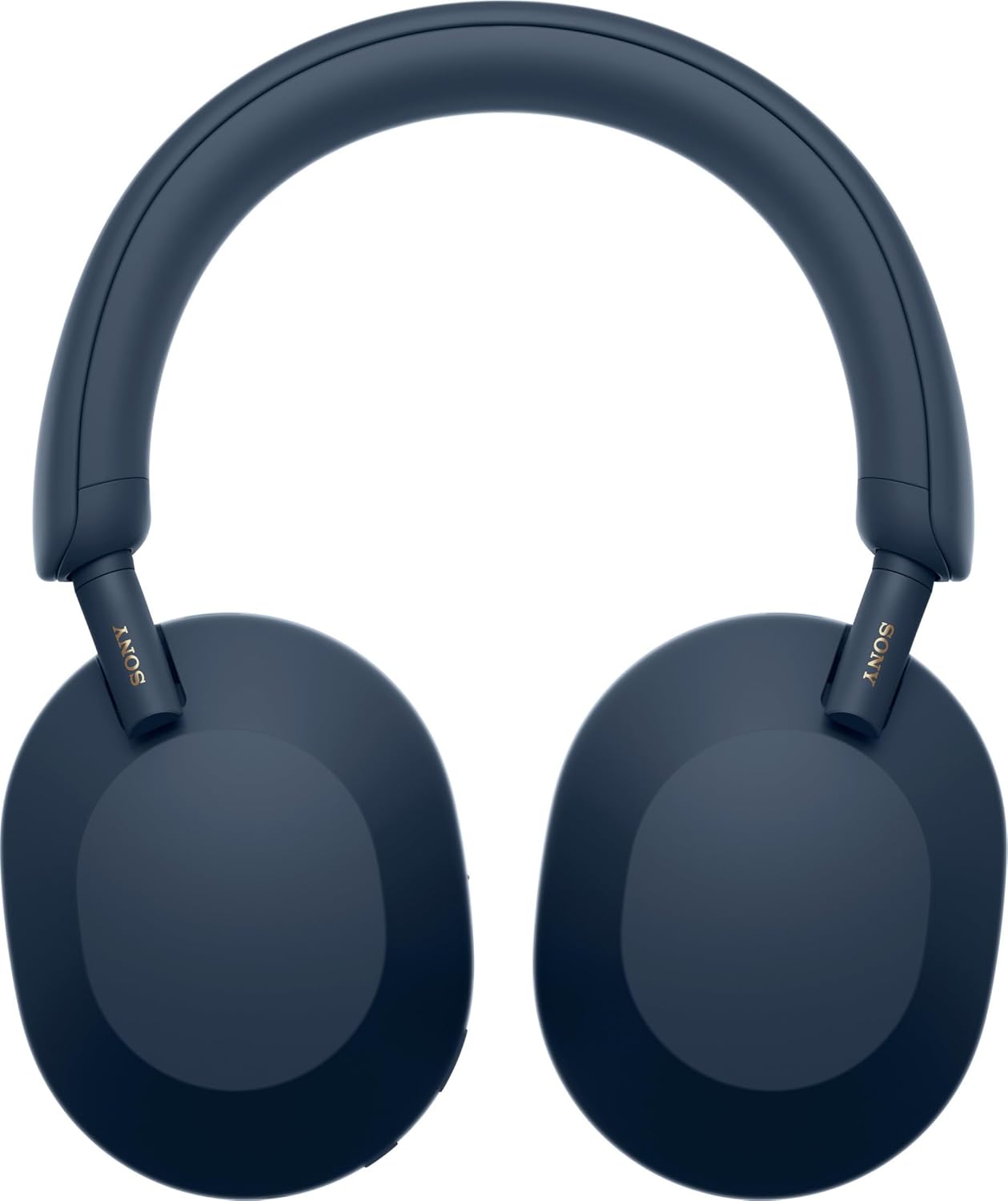
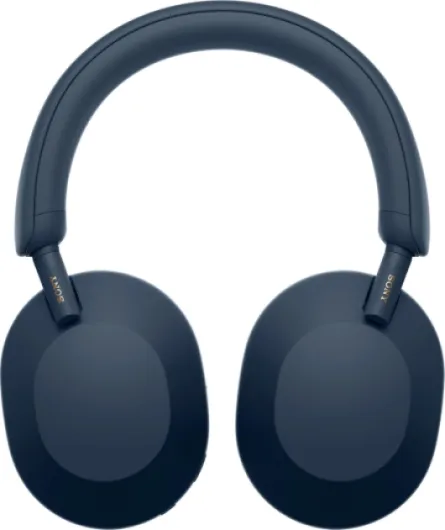
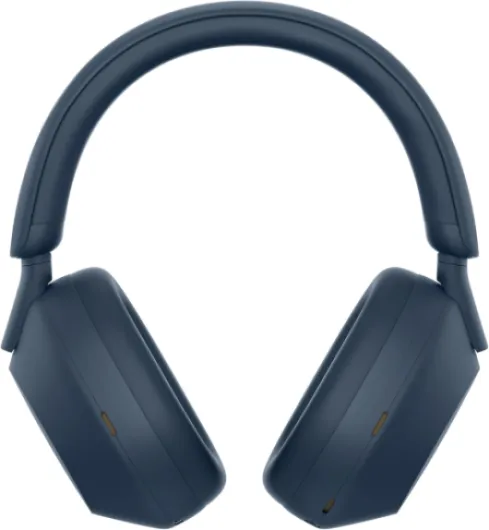
The design is very minimal: smooth plastic, no visible screws, and a clean headband. Personally, I like it – it doesn’t scream “gamer” or “DJ”, it just looks like a normal, modern pair of headphones. The Midnight Blue version has a matte finish that does a decent job at hiding fingerprints. Compared to the older XM3/XM4 style, this is more streamlined and a bit more “techy” looking.
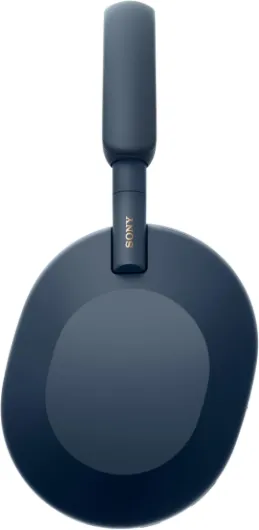
The earcups don’t fold inward like some older models; instead, the arms rotate so the headphones lie flat. That’s one of the first practical downsides: they’re less compact in a bag if you don’t use the case. The included case is shaped specifically for this non‑folding design, so they fit snugly, but you lose some portability compared to foldable models. If you’re used to tossing your old headphones into any random pocket, this design will feel bulkier.
On the left cup, you’ve got two buttons: power/Bluetooth and ANC/Ambient toggle. On the right side, the whole outer panel is a touch surface for volume, play/pause, and skipping tracks. This looks clean, but in practice it’s a bit hit‑and‑miss. Swiping for volume is not super precise; you sometimes have to swipe multiple times to get the level you want. Also, wind or hair brushing against the right cup can trigger accidental pauses, which gets annoying outdoors. I ended up relying more on my phone or laptop for volume and track changes.
One thing worth mentioning: the hinge and headband area feel lighter and more fragile than you’d expect at this price. They haven’t broken on me, but there’s a lot of chatter online about hinge issues. You can feel why: the plastic is thin and flexible. If you baby your gear, you’ll be fine; if you tend to yank headphones off with one hand or throw them around, I’d be a bit cautious. The design looks good and feels nice on the head, but it doesn’t inspire a ton of confidence if you’re rough with your stuff.
Battery life: long lasting with genuinely useful fast charging
Battery life is one of the least stressful parts of these headphones. Sony claims up to 30 hours with ANC on, and in real use I’m getting something close. With mixed usage – a few hours of music a day, some calls, mostly ANC on – I’m charging about once a week. After a 5‑hour work session, I usually see around 10% drop, which lines up with some of the Amazon reviews. So you really don’t have to think about the battery much day to day.
The fast charging is also genuinely handy. Plugged into a decent USB‑C charger, a quick 10–15 minute top‑up gives you several hours of use. I’ve done this a couple of times before heading out the door when I realised they were almost empty, and it was enough to get me through a commute and a work block without any battery anxiety. Just keep in mind there’s no charger in the box, only a cable, so you’ll need your own adapter.
One slightly annoying thing: the auto power‑off feature is a bit inconsistent depending on how you’re using them. Over Bluetooth, they go to sleep when not in use, no problem. But when you use the audio cable and leave them on for ANC while plugged in, they don’t always turn off automatically, so you can accidentally drain the battery if you forget to switch them off. It’s not a dealbreaker, but something to remember if you often use them wired.
Overall, battery is a strong point: long life, reliable percentage readings, and fast top‑ups. If you’re coming from cheaper wireless headphones that need charging every couple of days, this feels like a relief. Just don’t expect miracles if you blast volume at max and constantly switch ANC modes – that will still eat into the battery faster, but even then it’s more than enough for a full day of heavy use.
Comfort: great for long sessions, with a couple of minor quirks
Comfort is one of the strong points here. The headphones are pretty light for over‑ears (around 250 g), and the clamping force is on the softer side. I can easily wear them for 3–4 hour work blocks without feeling like my head is in a vice. The ear pads are soft and squishy, and the headband padding is decent. If you’ve worn cheaper over‑ears that start digging into the top of your head, this is a clear upgrade.
The earcups are large enough that my ears don’t touch the drivers, which is a big one for me – I hate when my ears get pressed against hard plastic. The pads seal well without feeling sweaty too quickly. After a couple of hours, you do feel some warmth, but nothing unusual for closed‑back ANC headphones. In hot weather, any over‑ears will get a bit uncomfortable; these are not magic in that regard, but they’re better than many I’ve tried.
On the downside, the soft clamp and smooth headband mean the headphones can shift a bit if you move your head quickly. If you bend forward or look down fast, they don’t fall off, but they do slide slightly. So they’re not ideal for workouts or anything too active. For commuting, office, flights, and couch use, they’re spot on. I’ve also noticed that wearing glasses is fine – the pads are soft enough that the glasses’ arms don’t dig into your head too badly.
One more thing: the auto‑pause sensor that detects when you remove the headphones works well and doesn’t get in the way of comfort. When you take them off, playback stops, and when you put them back on, it resumes. I’ve never felt any annoying pressure points or weird hotspots from the internal hardware. Overall, comfort is one of the main reasons I keep reaching for these instead of my older pairs. They just disappear on your head after a while, which is exactly what you want for long days.
Durability & build: feels premium, but handle with care
Durability is the part where I’m a bit cautious. The headphones feel nice in the hand – the plastic is smooth, the movement of the arms is clean, and there are no rattles. But they also feel light and somewhat delicate, especially around the hinges and the connection between the cups and headband. You can flex them a little and feel the plastic give, which is not super reassuring if you’re used to more rugged, metal‑reinforced designs.
I’ve already had one small drop from desk height onto a hard floor. The only visible damage was a minor scratch on the power button, and everything still works fine. So they’re not made of glass, but I wouldn’t push my luck by throwing them in a bag without the case or constantly yanking them off with one hand. The included hard case is actually important here: it protects the thin arms from bending or twisting in a backpack. If you use the case, I think they’ll hold up better long term.
A lot of user reviews mention potential hinge issues over time. I haven’t had mine long enough to confirm that, but after handling them, I can understand the concern. The design is more about being light and comfortable than being indestructible. Also, the material is not water resistant at all – there’s no IP rating – so I’d keep them away from rain and sweat. These are not gym headphones, and they’re not meant for rough outdoor use.
In short, if you’re careful, store them in the case, and don’t twist the headband like a stress toy, you’ll probably be fine. If you know you’re rough on gear, throw things around, or want something you can use in all weather, I’d think twice. Durability is okay, but not the strong selling point here. Comfort and features are what you’re paying for; toughness is only average at best.
Sound & ANC performance: strong, but needs EQ tweaking
Out of the box, the sound profile is a bit bland to my ears. The bass is there but not very lively, and the mids feel slightly recessed. If you’re not picky, you might be fine with it, but I actually found it a bit boring. Once I spent some time in the Sony Headphones Connect app and pushed the bass up a bit and brightened the treble, everything opened up nicely. After that, I’d call the sound very good for Bluetooth: clear vocals, solid bass, and enough detail in the highs without getting harsh, as long as you don’t go crazy with the EQ.
For music, I tested a mix: pop, rock, hip‑hop, electronic, and some podcasts. With EQ tuned, bass hits with decent punch, but it doesn’t shake your skull like some bass‑head headphones. If you push the Clear Bass slider too high (+10), it can get boomy and tiring after a while; I settled around +5 to +7. Highs are clear enough to pick out details like cymbals and small background sounds, but this is still a consumer‑tuned headphone, not studio gear. For Netflix and YouTube, voices are easy to understand and there’s no weird echo or boxy sound.
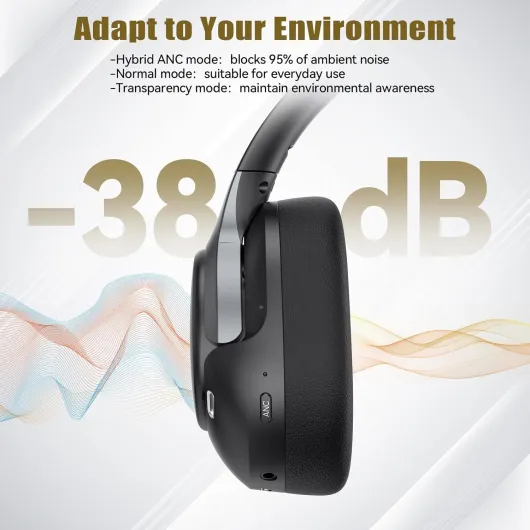
The noise cancelling is where these really shine. On a plane, they cut engine noise down to a low murmur. People talking nearby are still slightly audible, but much quieter. On buses and trains, the engine and track noise mostly disappear, and you’re left with just a soft background hum. In an office or at home, they kill computer fans, AC, and general low‑level noise very effectively. High‑pitched sounds (like clinking dishes or someone shouting) still come through, but much less aggressively. I’d say it’s one of the best ANC experiences I’ve had so far.
Call quality is also decent. The mics do a good job of focusing on your voice and cutting some background noise, but if you’re in a very loud environment, the person on the other end will still hear some of it. It’s fine for work calls and casual chats. Overall, performance is strong once you invest time in tuning the sound. If you’re the type who wants perfect sound out of the box with no tweaking, you might be a little disappointed at first, but the potential is definitely there.
What you actually get in the box and how it feels day one
Out of the box, you get the headphones, a hard carrying case, a short USB‑C cable, an audio cable, and the usual documentation. No wall charger, which is pretty standard now but still slightly annoying if you don’t already have USB‑C chargers lying around. The hard case is actually quite decent: it’s not tiny, but it feels protective and has a little compartment inside for the cables. I’ve thrown it in a backpack a few times and didn’t worry about the headphones getting crushed.
The Midnight Blue color looks nicer in person than in the photos. It’s more of a dark navy that hides smudges better than black, but it’s still pretty discreet. If you’re worried about fingerprints and marks, I’d say this color is a good compromise: not as mark‑prone as black, not as dirt‑showing as the lighter colors. After a few weeks of daily use, I’ve got a couple of tiny scuffs on the plastic, but nothing dramatic.
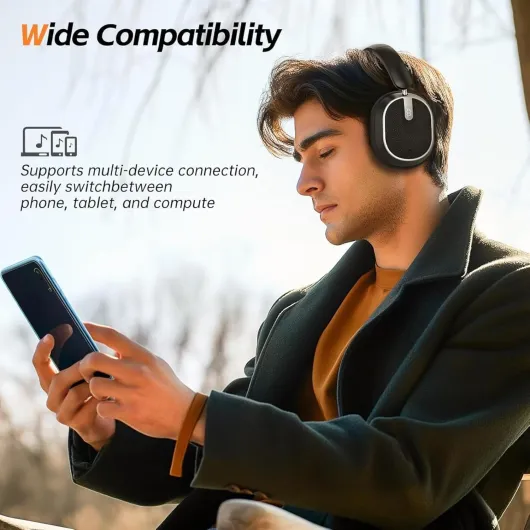
Setup is straightforward: hold the power button to enter pairing mode, connect via Bluetooth, then install the Sony Headphones Connect app. The app then runs you through a mini tutorial: ANC modes, touch controls, speak‑to‑chat, etc. It’s not complicated, but there are a lot of features, so you do need 10–15 minutes to go through everything and turn off the stuff you don’t want (I’ll get to that later). Once it’s set, reconnecting is quick and pairing to a second device (phone + laptop) worked fine for me.
First day impression: it feels like a premium product in terms of how it’s presented and how the case and headphones look. But it’s also quite clear this is a plastic build with a lot of electronics and software features, not some metal tank that will survive abuse forever. So if you’re rough with your gear, you’ll want to be a bit more careful than with cheaper, chunkier headphones.
Pros
- Top-tier noise cancelling that really cuts down engine and background hum
- Very comfortable and lightweight for long listening sessions
- Strong battery life with genuinely useful fast charging
Cons
- Build feels a bit fragile around the hinges; not ideal if you’re rough with gear
- Sound out of the box is mediocre and needs EQ tweaking in the app
- Touch controls can be imprecise and trigger accidentally in wind or with hair
Conclusion
Editor's rating
After living with the Sony WH‑1000XM5 for a while, my take is pretty straightforward: great ANC, very good sound once tuned, excellent comfort, average toughness. They’re ideal if you spend a lot of time on planes, trains, or in noisy offices and you want a quiet bubble to work or relax in. The noise cancelling is genuinely strong, the battery life is long enough that you rarely worry about it, and the light weight plus soft pads make long sessions easy.
On the flip side, they’re not perfect. The default sound profile is just okay until you fix it with the EQ, the touch controls can be a bit fussy, and the build doesn’t feel super robust for the price. If you’re rough with your gear, or you mainly sit at home in a quiet room, you might not get full value out of the ANC and features you’re paying for. I’d strongly recommend buying them during a sale rather than at full price, if you can.
So who are they for? People who commute, travel, or work in noisy environments and want strong ANC, comfort, and a bunch of smart features will likely be very happy. Who should skip them? If you’re on a tight budget, need something tough for the gym or heavy outdoor use, or hate fiddling with apps and EQ, there are simpler and cheaper options that make more sense. Overall, they’re a solid high‑end choice, as long as you know what you’re getting and you handle them with a bit of care.