Flagship models compared: Sony, Bose, and Apple for everyday listening
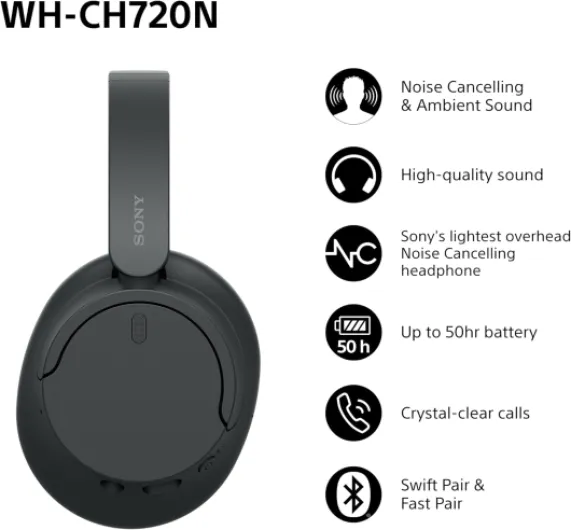
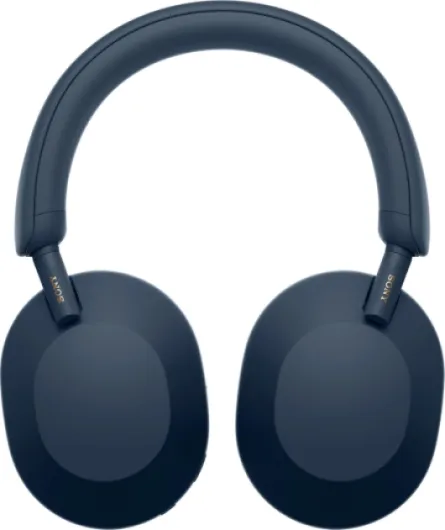
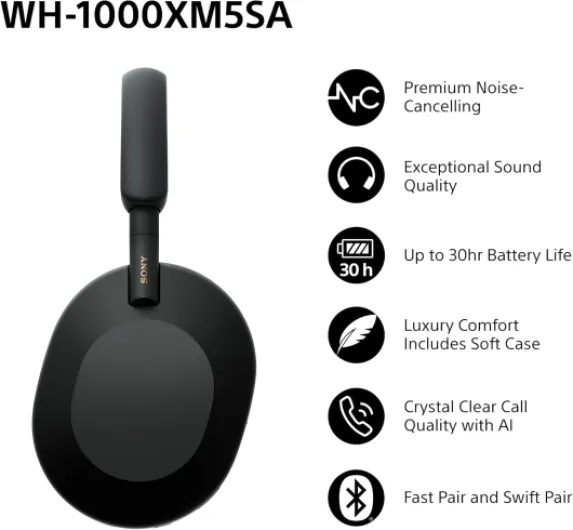
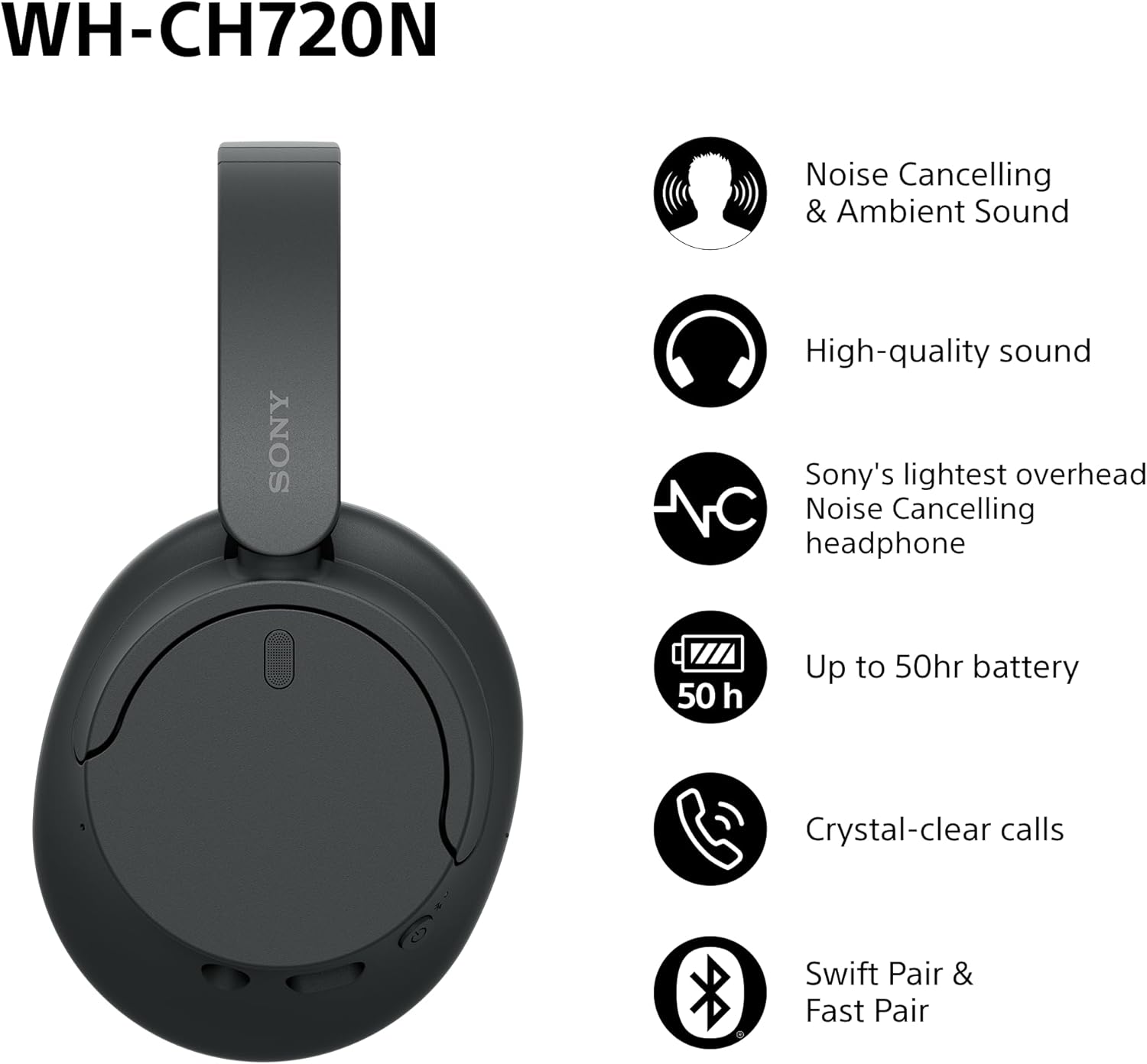
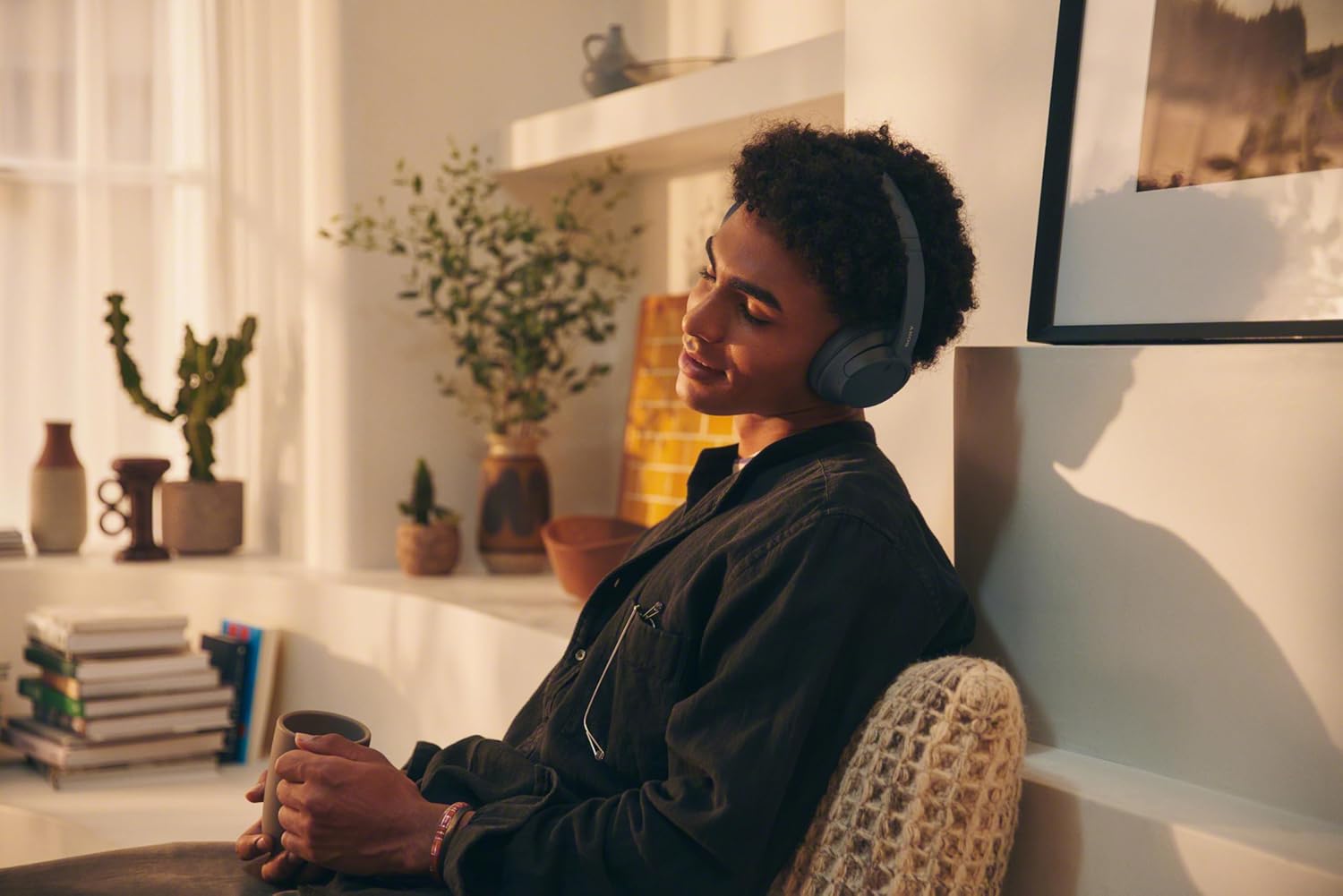
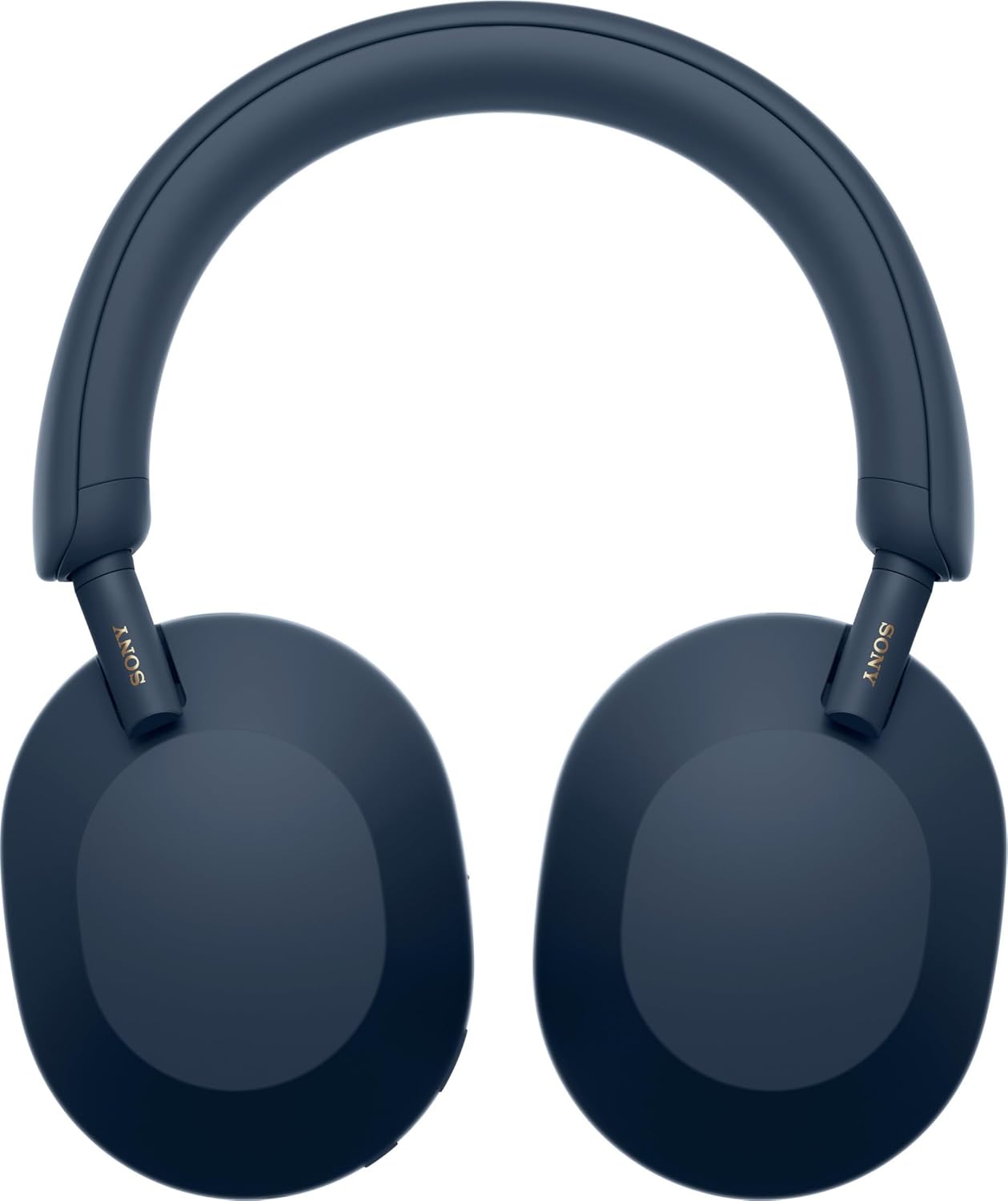
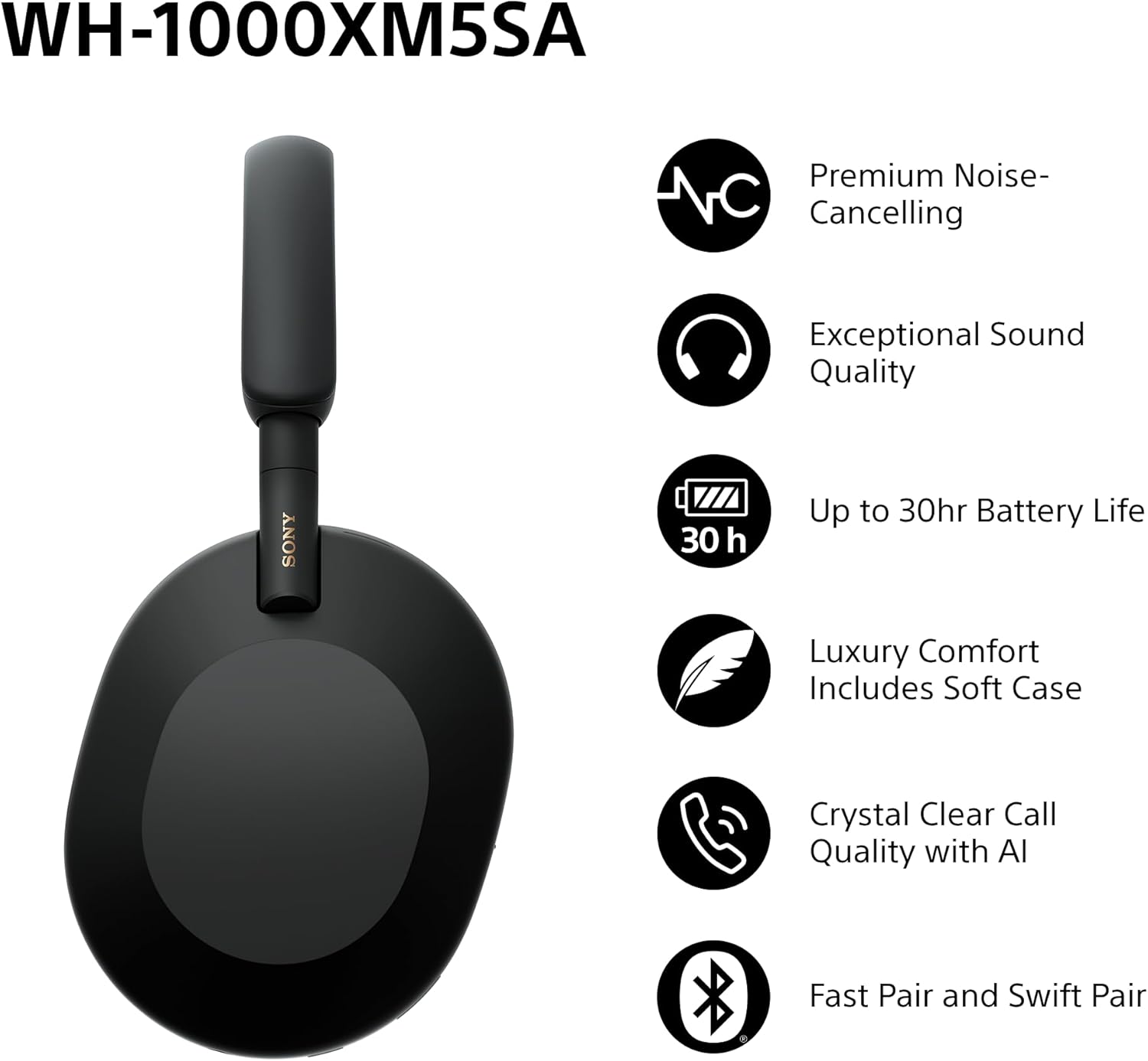
Among frequent travelers, Sony wireless headphones rank consistently as some of the best noise canceling options. The Sony WH series combines powerful ANC, detailed audio, and a smart ambient sound mode that automatically adjusts to your environment. Many buyers highlight how comfortable the ear pads feel during long flights, even when the list price sits at the premium end of the market.
Bose QuietComfort headphones with strong noise cancellation remain a reference for people who value calm over features. Their active noise system focuses on steady low frequency noise, which makes aircraft cabins and subway tunnels feel far less tiring. When you activate the Bose transparency mode, outside sound returns in a natural way, so announcements and conversations stay intelligible without removing the headphones.
Apple AirPods Max and Apple AirPods Pro offer a different take on the best noise experience inside the Apple ecosystem. AirPods Max over ear headphones with a breathable headband deliver rich audio and a precise transparency mode that many listeners describe as almost invisible. AirPods Pro earbuds with silicone tips provide effective noise cancelling in a tiny wireless ear format, and their ambient sound mode helps you stay aware while running or cycling.
Evaluating comfort, fit, and ear health in daily use
Comfort decides whether even the best noise canceling headphones with ambient sound mode stay on your head for hours. Over ear designs spread pressure around the ear, while in ear earbuds with soft tips seal the ear canal more directly. If the clamp force or tip size feels wrong, you will notice hot spots, aching cartilage, or a sense of pressure that ruins the listening experience.
For people with smaller ears, compact wireless earbuds with multiple tip sizes often work better than bulky headphones. Try several silicone or foam tips until the earbuds feel secure yet comfortable, because a proper seal improves both bass sound and noise cancellation. When the fit is right, you can run transparency mode at lower volumes and still hear traffic or colleagues clearly.
Long sessions with high volume audio can fatigue your ear and increase long term risk of hearing damage. Use the ambient sound mode or transparency mode instead of raising volume to overpower external noise, especially in busy streets. During long flights, combine passive isolation with moderate active noise levels and take regular breaks, a strategy validated by many travel tests such as the four flight field test for noise cancelling headphones for travel.
Battery life, wireless performance, and real world usability
Battery life shapes how practical the best noise canceling headphones with ambient sound mode feel outside your home. Over ear wireless headphones with larger batteries often reach 25 to 40 hours of playback with ANC enabled, while compact earbuds with smaller cells usually offer 5 to 8 hours per charge. A charging case extends total listening time for earbuds, but you still need to plan around the shorter continuous sessions.
Wireless stability matters as much as raw battery numbers when you rely on Bluetooth audio every day. Modern Sony, Bose QuietComfort, Apple AirPods, and Samsung Galaxy Buds models support advanced codecs that improve sound quality and reduce latency for video. When you check price and specifications, pay attention to multipoint connectivity, because switching between laptop and phone can transform how flexible your headphones with ANC feel.
Some products show different battery life figures depending on whether you use full noise cancellation, ambient sound, or transparency mode. If you mostly work in quiet offices, you can disable active noise features and gain several extra hours of playback. For commuters who keep ANC and transparency active all day, fast charging becomes essential, so look for models that provide several hours of listening from a short top up.
Understanding ANC, transparency, and ambient sound technologies
Active noise cancellation, often shortened to ANC, uses microphones and digital processing to reduce unwanted noise. The best noise canceling headphones with ambient sound mode combine feedforward and feedback microphones to handle both external and internal reflections around your ear. This approach works especially well for steady low frequency sounds such as engines, air conditioning, and train rumble.
Transparency mode and ambient sound features take the opposite approach by intentionally letting outside audio pass through. Instead of blocking noise, the headphones amplify and shape external sound so that voices and alerts remain clear while music plays quietly in the background. Many Sony, Bose QuietComfort, Apple AirPods, and Samsung Galaxy Buds models now offer several ambient sound profiles, ranging from full awareness to focused voice modes.
Passive isolation still matters even when active noise systems perform well, because physical sealing reduces the workload on ANC. Detailed explanations of passive isolation versus ANC and the role of advanced earpads show how materials and fit influence both comfort and sound quality. When you compare any product on Amazon or in a local store, test how much noise cancelling you get with ANC off, then add transparency and ambient modes to judge the full experience.
How to read prices, ratings, and reviews without getting misled
Price often dominates the first impression, but it rarely tells the full story about the best noise canceling headphones with ambient sound mode. Premium Sony, Bose QuietComfort, Apple AirPods Max, and Samsung Galaxy Buds models carry a higher list price because they combine strong ANC, refined transparency, and durable materials. Mid range headphones with simpler active noise systems can still offer excellent value if you focus on core needs such as comfort and reliable wireless performance.
When you browse Amazon or other retailers, do not rely only on the average stars rating. Read detailed reviews that mention sound quality, battery life, and how natural the ambient sound mode feels in real environments. Pay attention to comments about fit around the ear, microphone clarity for calls, and how well the product handles wind noise during outdoor use.
Before you check price and press the buy button, compare several models side by side using consistent criteria. Evaluate noise cancellation strength in similar locations, such as a busy street or a train platform, and switch between transparency mode and full ANC to judge the difference. If possible, test both over ear headphones and earbuds with similar features, because your personal comfort and ear shape can outweigh small differences in technical specifications.
Choosing between over ear headphones and earbuds for your lifestyle
People who work in open offices or travel frequently often prefer over ear headphones with strong ANC. The larger drivers deliver fuller sound, and the bigger ear cushions create a more immersive seal that enhances both noise cancelling and perceived audio quality. Models such as Sony WH series, Bose QuietComfort, and Apple AirPods Max illustrate how premium over ear designs can justify their higher price through comfort and performance.
Active people who commute, exercise, or move constantly may lean toward compact wireless earbuds with robust ambient sound features. Apple AirPods Pro and Samsung Galaxy Buds show how in ear designs can combine effective noise cancellation with a quick transparency mode that keeps you aware of traffic and announcements. These earbuds with multiple tip sizes adapt to different ear shapes, and their small cases make them easy to carry in any pocket.
If you split your time between desk work and travel, owning both headphones and earbuds can make sense despite the extra cost. Use over ear models with long battery life for focused work sessions, then switch to lightweight earbuds with instant ambient sound for errands and workouts. When you build your own best noise setup this way, you gain flexibility that no single product can fully match.
Key figures about noise canceling headphones and ambient sound modes
- Market analysts report that over half of premium wireless headphones sold now include both ANC and some form of transparency or ambient sound mode, reflecting a clear shift from pure isolation toward controlled awareness.
- Independent lab tests often measure up to 20 to 30 decibels of low frequency noise reduction from top active noise systems, which can make aircraft cabin noise feel subjectively less than half as loud for many listeners.
- Battery benchmarks show that modern over ear ANC headphones typically deliver between 25 and 40 hours of playback with noise cancellation enabled, while true wireless earbuds usually provide 5 to 8 hours per charge plus several recharges from the case.
- Consumer surveys indicate that comfort and fit now rank as high as sound quality and price when people rate their satisfaction with noise canceling headphones, underlining the importance of ear shape and weight distribution.
- Usage data from streaming services suggests that a significant share of listening happens at moderate volumes, which means that effective ANC and natural transparency modes can reduce the temptation to raise volume dangerously in noisy environments.