
Summary
Editor's rating
Value: you’re paying for design and brand as much as sound
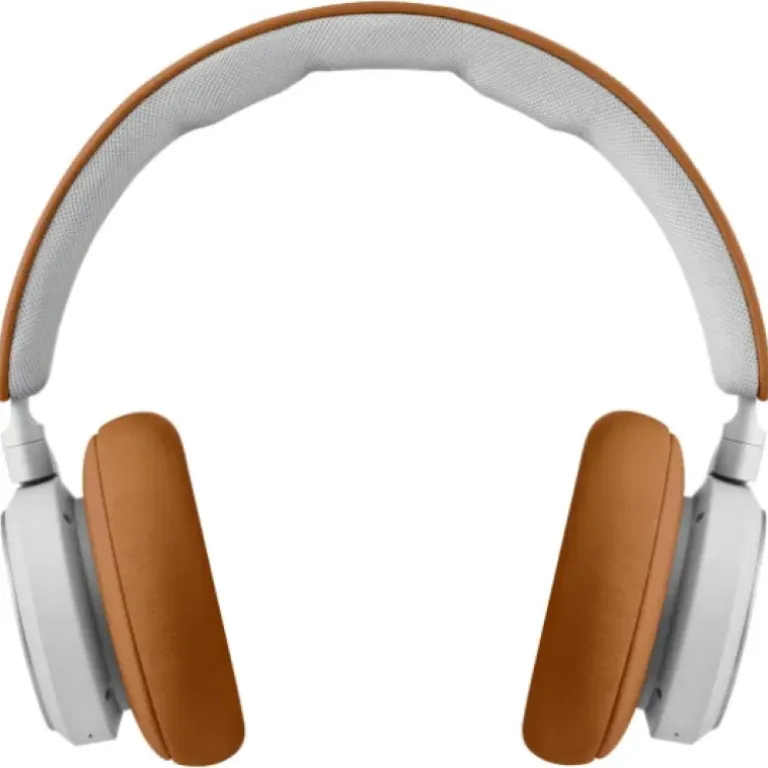
Design: more lifestyle object than tech gadget
Battery life: charges rarely, which is nice
Comfort: good for long sessions, with a few caveats
Materials and build: feels premium, not toy-like
Durability: feels solid, but touch controls are the weak link
Sound and ANC: clean sound, decent noise cancelling
What you actually get with the Beoplay HX
Pros
- Premium materials and build quality that feel solid and look classy
- Balanced, detailed sound that works well for long listening sessions
- Strong battery life (around 30+ hours in real use) and practical carrying case
Cons
- Touch controls are unreliable and can be frustrating
- Noise cancelling is decent but weaker than top competitors like Sony and Bose

Specifications
View full product page →| Brand | Bang & Olufsen |
Premium price, everyday use
I’ve been using the Bang & Olufsen Beoplay HX (Timber version) as my main headphones for work and commuting for a few weeks now. I didn’t treat them gently: Zoom calls, walking outside next to traffic, some Netflix in bed, and a few long music sessions while working. Basically, the way most people will actually use them, not in a quiet showroom. At this price, I wanted to see if they’re really better than the usual Sony/Bose stuff or if you’re just paying for the brand and the look.
Right away, the first thing that hits you is the build and the feel in hand. They clearly don’t feel cheap, and you can tell there is real metal and leather in there, not just plastic pretending to be fancy. But as soon as you start using them daily, you notice both the good and the annoying parts: the sound is pretty clean, the noise cancelling is fine but not class-leading, and the touch controls are… let’s say hit and miss.
I used them mostly with an iPhone and a Windows laptop, sometimes wired with the 3.5 mm cable when I didn’t feel like messing with Bluetooth. Pairing was straightforward and the app is okay, but a bit limited if you like to tweak your sound a lot. Compared to something like the Sony WH-1000XM4/XM5, the Beoplay HX feels fancier in the hand but less flexible in the software.
Overall, these are clearly aimed at someone who cares about design and good sound and is willing to pay a premium for that combo. If you just want the strongest noise cancelling for flights or maximum bass for the gym, there are better options for less money. But if you want headphones that look good on your desk and don’t feel like a plastic toy, the HX starts to make more sense, with a few compromises you need to accept.
Value: you’re paying for design and brand as much as sound
Let’s talk money. At full price around the £350–400 range, the Beoplay HX is clearly in the premium bracket. Some Amazon reviewers straight up say they wouldn’t pay £400 and that around £250–270 feels more reasonable. I tend to agree. At the higher price, you’re competing with Sony WH‑1000XM5, Bose QC45/Ultra, and some Sennheiser models that have stronger ANC and sometimes more flexible software. The HX doesn’t crush them on performance; it just looks and feels nicer in the hand.
Where the value starts to make more sense is if you find them discounted or if you specifically care about design and materials. If you want something that looks classy on your desk, matches your other B&O gear, or you’re just tired of plastic, then you’re paying extra for that experience. In that case, the price is high but not totally crazy. You get good sound, solid battery, decent ANC, and a premium build. Just don’t expect them to be the clear best in every technical area.
Compared to the Sony XM4, here’s how I’d put it in simple terms: Sony gives you stronger ANC, more bass, and a more complete app with real EQ sliders, at a lower price most of the time. The Beoplay HX gives you better materials, a more neutral sound, and a nicer look, but slightly weaker ANC and touch controls that are more annoying. So you have to decide what matters most to you: pure performance per pound, or design plus good-enough performance.
If you’re on a tight budget or just want maximum features for the lowest cost, these are not the best deal. If you’re okay spending more for something that feels premium every time you pick it up, then the value is decent, especially if you catch them on sale. They’re not a rip-off, but they’re not a bargain either. They sit in that zone where you’re partly paying for style and brand reputation, and you need to be honest with yourself about whether that matters to you.
Design: more lifestyle object than tech gadget
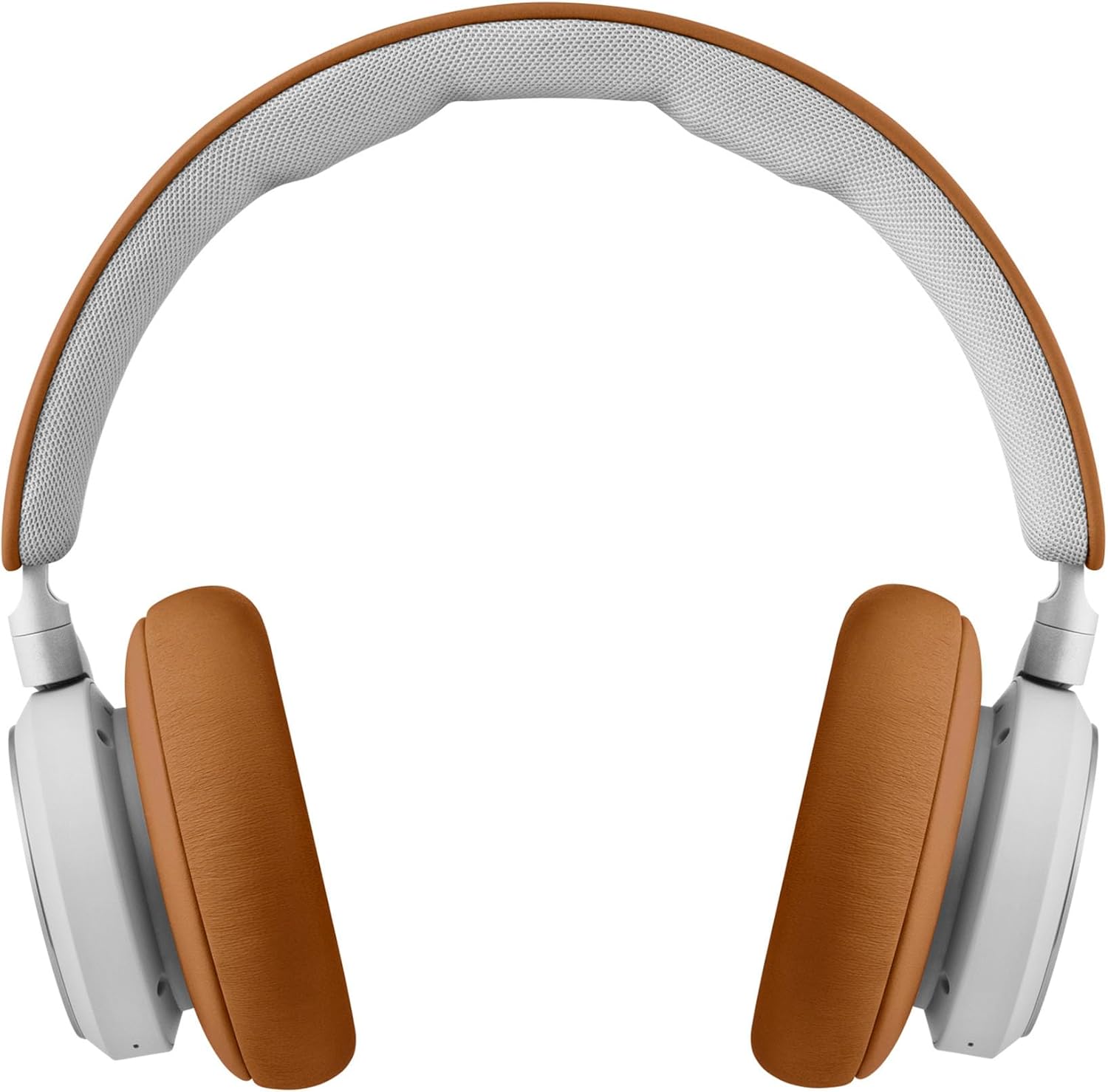
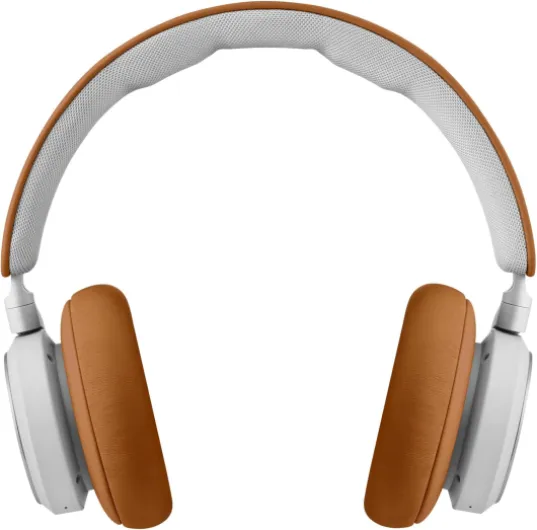
The design is clearly where Bang & Olufsen put a lot of effort. The Beoplay HX looks like something you’d see in a high-end furniture store rather than a typical electronics shop. The Timber colour is very neutral and blends well with most setups. On the head, they look clean and low‑profile, no huge logos or gamer vibes. If you like minimalist stuff, you’ll probably enjoy the look. I wore them in the office and on trains and never felt like I had a giant plastic headset on my head.
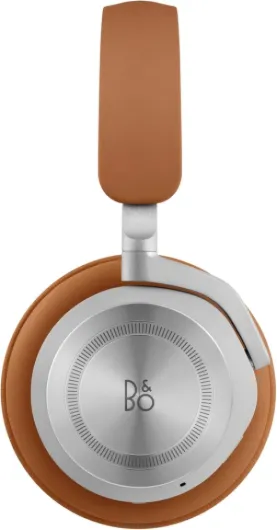
Every visible part seems thought through: the aluminium on the earcups, the leather on the headband, and the overall shape. There are no sharp edges or weird angles, just simple curves. The earcups swivel and fold flat, which helps when you put them in the case or around your neck. Compared to the Sony XM4, they feel more like a design object and less like pure tech. That’s nice if you care about aesthetics, but of course you pay for that.
On the practical side, the controls are a mix of physical buttons and a touch surface on the right earcup. The buttons for power/Bluetooth and ANC mode are easy to find by feel, which I liked. The touch surface, though, is where things are a bit less polished. Swipes for volume or track skipping sometimes don’t register or trigger the wrong thing, especially when you’re walking. I ended up doing most actions from my phone because I got tired of fighting with it.
So design-wise: looks and materials are very good, ergonomics are decent, but the user interaction with the touch area is not as reliable as it should be at this price. If you’re the type who constantly adjusts tracks on the earcup, this might annoy you. If you mostly press play and let it run, you’ll probably enjoy the design more than be bothered by the quirks.
Battery life: charges rarely, which is nice
Battery life is one area where the Beoplay HX holds up very well. The brand claims up to 35 hours with ANC on and up to 40 hours with ANC off. In real use, with mixed ANC and some transparency mode, I was getting roughly a week of workdays (around 4–5 hours per day) before needing to plug them in. So roughly 25–30 hours per charge in my case, which is more than enough for normal use. I never once had them die on me mid‑day.
Charging is done through USB‑C, which is standard now and convenient. From almost empty to full, it takes a couple of hours. There’s no crazy fast‑charge feature advertised, but I noticed that even a short 20–30 minute top‑up during lunch gave me several more hours of listening. The battery indicator in the app is clear enough, and the voice prompts when you power them on tell you the approximate level (“battery high”, etc.), so you’re not completely in the dark.
Compared to other premium ANC headphones I’ve used, the HX is right up there. Sony and Bose also sit around the 30‑hour mark, so you’re not getting a huge advantage, but you’re also not losing anything. The nice part is that because the sound and ANC don’t push the drivers super aggressively, the battery doesn’t seem to drain unusually fast even at higher volumes. I usually listen at around 60–70% volume and didn’t notice any big drop compared to quieter listening.
So, battery life is basically a non-issue, in a good way. You charge them once in a while and forget about it. If you travel a lot, one full charge will easily cover a long-haul flight plus airport time, with some buffer. And if the battery does die, you still have the 3.5 mm cable as a backup, which saved me once when I forgot to charge them before a trip.
Comfort: good for long sessions, with a few caveats
Comfort-wise, I’d put the Beoplay HX in the “very decent” category. I wore them for full workdays (6–8 hours with breaks) and they stayed on my head without hotspots or major discomfort. The clamping force is moderate: tight enough that they don’t slide around when you walk, but not so tight that you feel squeezed. If you have a medium to large head, you should be fine. If your head is very big, you might feel a bit more pressure on the sides, but it’s not the worst I’ve tried.
The ear pads are soft and deep enough that my ears didn’t touch the driver covers, which is usually my main complaint with over-ears. They seal around the ear pretty well without feeling like suction cups. After a couple of hours, I did feel some warmth around the ears, but honestly that happens with almost all over-ear headphones. These are not super ventilated, but they’re not sweat monsters either. I’ve seen people use them at the gym; I tried a light workout with them and they stayed in place, but I wouldn’t use them for heavy cardio every day.
The headband distributes weight well enough. I didn’t get a sore spot on the top of my head, which I sometimes do with heavier models. The adjustment sliders move smoothly and stay where you set them. Once I dialed in the right size, I pretty much forgot about them most of the time, which is what you want. Compared to something like a Bose QC45, I’d say the Bose is a bit lighter and slightly more “disappears on your head”, but the HX is not far behind.
So, for long listening sessions, they’re pretty comfortable, especially if you mainly sit at a desk or commute. If you plan to wear them 8 hours straight every single day, you might still need short breaks just to let your ears breathe, but that’s normal. People with glasses might feel a bit of pressure on the arms after a while, but that depends on your frame thickness. I tried them with thin metal frames and it was acceptable, not painful.
Materials and build: feels premium, not toy-like
The materials are one of the strong points here. You get anodised aluminium on the earcups, leather on the headband, and a mix of plastic and rubber in the parts that need flexibility. When you pick them up, they don’t creak, and nothing feels hollow. At 285 grams, they’re not super light but also not heavy. It’s a middle ground that feels solid without being a neck workout. Compared to cheaper plastic headphones I own, the HX clearly feels like a step up in the hand.
The ear pads are soft and covered in what feels like good quality leather (or at least a very decent imitation if it’s not full leather on all surfaces). After a few weeks, I didn’t see any early signs of peeling or weird wrinkles, which is usually what goes first on cheaper models. The headband padding is on the thinner side but still comfortable, and the stitching looks clean. No loose threads or glue marks, which you sometimes see even on pricey gear.
The fabric carrying case is another point where you feel the brand’s style. It’s not bulletproof, but the fabric and the zipper feel decent, and the colour matches the headphones nicely. Inside, there’s a small pocket for the cables. It’s not over-engineered, but it does the job and looks nice when you pull it out of a bag. I tossed it in a backpack with a laptop and some chargers, and the headphones came out fine, no scratches or bent parts.
Overall, build quality feels pretty solid. If you’re fed up with plasticky hinges that feel like they’ll snap any minute, the HX will feel reassuring. Just keep in mind: premium materials don’t make them indestructible. You still don’t want to sit on them or twist them too hard. But for normal daily use, they give the impression they’ll last a few years without falling apart, as long as you’re moderately careful.
Durability: feels solid, but touch controls are the weak link
In terms of durability, the materials and build give a good first impression. After a few weeks of daily use, I didn’t see any cracks, loose parts, or weird noises when adjusting them. The hinges still feel tight, and the earcups rotate smoothly. I tossed them in the included case and then into a backpack with a laptop and other gear, and they handled that just fine. No visible scratches on the aluminium yet, and the headband hasn’t deformed.
The ear pads are always the part I worry about on premium headphones. So far, the padding has held its shape and the surface still looks clean. I did some sessions where I got a bit sweaty, and I just wiped them down afterward with a soft cloth. No staining or peeling so far. There’s at least one Amazon review where someone says they’ve used them at the gym for over two years and they “haven’t flinched”, which lines up with the feeling that these are built to last more than a season.
Where I’m a bit less confident is the touch control surface. It works, but it sometimes misreads gestures or doesn’t respond, which can make you tap and swipe harder than you should. Over time, that kind of repeated poking could wear the surface or just be annoying. One reviewer basically said the touch controls are lousy while praising the rest, and I understand that comment. It’s not that they’re broken; they’re just not very reliable, and that makes them feel like the weakest part of the experience.
On the plus side, B&O offers a 3‑year warranty, which is longer than many competitors. That gives a bit of peace of mind if something structural fails. Overall, they feel like they can handle daily use for several years if you’re not throwing them around. Just don’t expect them to survive being sat on or dropped from serious height, and be aware that the touch controls might be the first thing to annoy you long before the materials themselves give up.
Sound and ANC: clean sound, decent noise cancelling
On the sound side, the Beoplay HX is clearly tuned for a balanced, fairly neutral profile. The bass is present but not overwhelming. If you’re used to Sony WH‑1000XM4 or XM5 with their strong sub‑bass, the HX will feel more restrained out of the box. That’s not necessarily bad; for rock, acoustic, podcasts, and classical, it actually works well. Vocals come through clearly, mids are clean, and the highs are crisp without getting piercing. I listened to a mix of Spotify, Amazon Music HD, and YouTube, and the overall impression was “clean and controlled” rather than “bass-heavy party”.
Several users mention that the sub‑bass can feel a bit light, and I agree. If you want that deep low-end rumble, you’ll probably need to play a bit with the app’s EQ, even though the app is not super precise. One Amazon reviewer talked about running a burn‑in with low-frequency sweeps and feeling the bass improve afterwards. I didn’t go that far, but I did notice that after a few days of use, the drivers seemed a bit more relaxed and the bass felt slightly fuller. Could be burn‑in, could be just me getting used to the sound.
As for active noise cancellation, it’s good but not top of the class. It cuts a decent chunk of low-frequency noise like air conditioning, train rumble, and traffic hum, but it doesn’t create that “vacuum” feeling you get with the best Sony or Bose models. Voices and keyboard clatter are reduced but still audible. For office and commuting, it’s enough to make things more comfortable, but if your main priority is blocking out airplane engines or a very noisy open space, other brands do a better job.
Call quality is fine: the 6 microphones pick up your voice clearly enough for Zoom and phone calls. I did a few calls walking along a busy street; people on the other end said they could hear some background noise but my voice stayed understandable. Nothing mind‑blowing, but it gets the job done. So performance-wise, sound quality is the strong point, ANC and calls are solid but not class-leading, and bass heads might find them a bit too polite unless they tweak settings.
What you actually get with the Beoplay HX
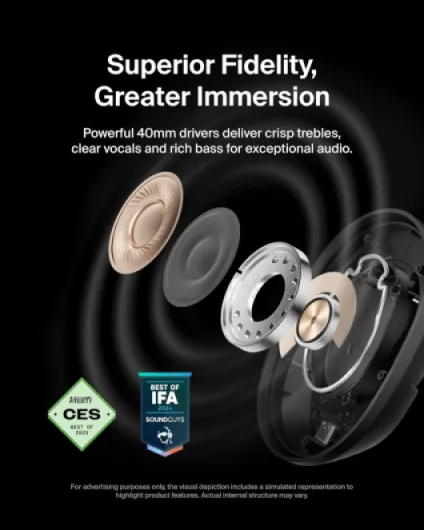
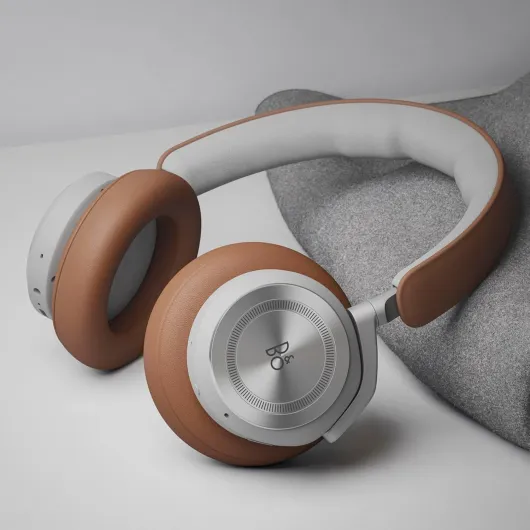
The Beoplay HX is basically Bang & Olufsen’s take on premium everyday wireless over-ear headphones: Bluetooth 5.1, active noise cancelling, 40 mm dynamic drivers, and up to around 35–40 hours of battery depending on ANC. They’re over-ear cups, fully wireless, but you also get a 3.5 mm cable and USB‑C charging. The Timber colour is a kind of warm beige/brown that looks more like something from a living room setup than gaming gear. It’s clearly meant to sit next to a MacBook, not a RGB keyboard.
In the box you get the headphones, a fabric carrying case, a USB‑A to USB‑C charging cable (about 1.25 m), and a 3.5 mm audio cable for wired listening. Nothing fancy beyond that, but at least you don’t have to buy a case separately. The case is soft but structured enough to protect them in a backpack. It’s not as hard as some plastic cases from other brands, but it keeps the footprint slim, which I appreciated when stuffing it into an already full work bag.
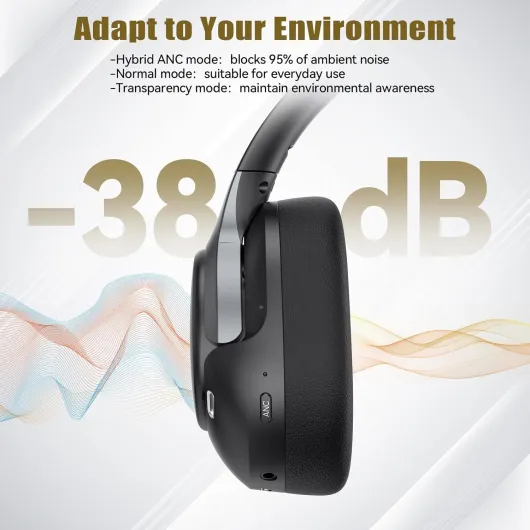
On the feature side, you get hybrid active noise cancelling, transparency mode, touch controls on one earcup, and physical buttons for power/Bluetooth and ANC modes. There are 6 microphones built in, mainly for calls and ANC. The app (on Android and iOS) lets you tweak the sound with a kind of EQ “circle” instead of normal sliders, adjust ANC/transparency, and update firmware. It’s functional but not very deep: if you like to set your own EQ bands, you’ll probably feel a bit limited.
In practice, I used them mostly in wireless ANC mode, switching to transparency when talking to people at home or in the office. The advertised battery numbers are not fantasy; I charged them roughly once a week with daily use. So as a complete package, you get a premium-feeling headset that covers the usual bases (music, calls, travel, work) with a strong focus on design and materials, and a slightly less strong focus on software and controls.
Pros
- Premium materials and build quality that feel solid and look classy
- Balanced, detailed sound that works well for long listening sessions
- Strong battery life (around 30+ hours in real use) and practical carrying case
Cons
- Touch controls are unreliable and can be frustrating
- Noise cancelling is decent but weaker than top competitors like Sony and Bose
Conclusion
Editor's rating
After using the Bang & Olufsen Beoplay HX day to day, my overall feeling is that they’re very solid premium headphones with a few clear trade-offs. The sound is clean, balanced, and detailed, especially good for vocals, acoustic, and classical. The build and materials feel genuinely high-end, and the comfort is good enough for long work sessions. Battery life is strong, and the case is practical for commuting or travel. They feel like a product you’ll enjoy picking up, not just a tool you tolerate.
On the flip side, the active noise cancelling is good but not class-leading, and the touch controls are the weak spot: they work, but not reliably enough for the price. The app is also a bit limited if you like fine-grained EQ control. If you mainly care about blocking out as much noise as possible on planes or you want heavy bass and maximum features for your money, models from Sony or Bose usually make more sense. But if you want something that looks and feels more premium than the usual black plastic, and you’re okay with “very good” instead of “best” ANC, the Beoplay HX is a nice choice.
So, who is this for? People who care about design, build quality, and a balanced sound profile more than raw spec sheets, and who are fine paying a bit extra for that. Who should skip it? Bass addicts, frequent flyers obsessed with maximum ANC, and anyone who hates unreliable touch controls. If you find them around the £250–280 mark, they’re a pretty solid buy. At full retail, you really have to want the B&O look and feel to justify the spend.