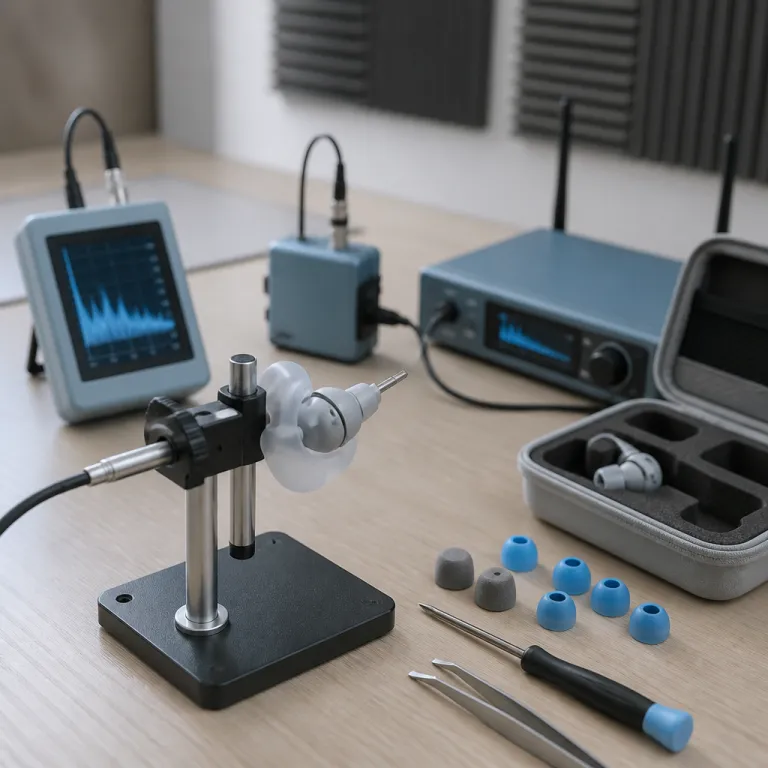
Why a wireless in ear monitor system matters for serious listening
A modern wireless in ear monitor system changes how you hear every detail by delivering a controlled, low latency audio feed directly to your ears. When you combine active noise cancelling with a dedicated in ear monitoring signal chain, you gain a level of isolation and consistency that consumer Bluetooth earbuds alone rarely provide. This matters whether you are mixing on stage, commuting on a noisy train, or working in an open office where background chatter never really stops.
At the heart of any good wireless iem system sits a transmitter, a bodypack receiver, and in ear headphones that seal the ear canal tightly with silicone or foam tips. The wireless link usually operates on UHF radio frequencies measured in MHz, which helps the monitor system avoid interference from Wi Fi or Bluetooth devices in crowded venues. For people comparing one product to another, understanding this radio system range is as important as checking the advertised noise cancelling performance or codec support on consumer headphones.
Shoppers often focus only on the sale price and forget the long term value of a robust wireless ear setup. A higher price can be justified when the wireless in ear monitor system offers stable UHF performance, clear audio, and an easy return policy that protects your investment. When you read any product page, never skip content about frequency range, latency, and warranty, because those details matter more than a temporary sale and often explain why some systems remain reliable for years of regular use.
How noise cancelling and in ear monitoring work together
Noise cancelling headphones use microphones and digital signal processing to reduce constant background sounds such as engine rumble or air conditioning. A dedicated wireless iem system adds a direct monitor feed from your mixer, so you hear your own audio content clearly even when the room is loud or the stage volume is high. The combination lets you keep listening levels lower, which protects your ear health over long sessions and reduces fatigue during rehearsals or travel.
In practice, the tight acoustic seal created by good iem eartips blocks a large part of the ambient noise before any electronics start working, often providing 20 to 25 dB of passive isolation according to manufacturer measurements. Then the wireless monitor system delivers a clean stereo signal, often over UHF bands between roughly 470 and 608 MHz, which are popular for professional stage use in regions where those frequencies remain legal. When you pair this with quality noise cancelling earbuds such as the models tested in these wireless sport earbuds reviews, you get both isolation and monitoring precision for critical listening and everyday use.
For everyday listeners, a wireless ear monitor system can seem complex at first glance. Yet the basic workflow is easy once you understand it, because the mixer sends a tailored audio mix to the transmitter, and the receiver on your belt forwards it to your ear monitors with latency typically under 5 to 7 ms on modern systems. Whether you are rehearsing music, monitoring a podcast recording, or checking live translation audio, this wireless iem approach keeps your focus on the content instead of the surrounding noise and reduces the temptation to keep turning the volume up.
Key technical factors that shape performance and price
Several technical elements determine how well a wireless in ear monitor system performs in real situations. Frequency range in MHz, transmission power on UHF bands, and the quality of the digital to analog converters all influence clarity and stability. These details often explain why one product has a higher price while another looks attractive only because of a temporary sale price or a bundle that hides weaker specifications.
Look closely at how many wireless iem channels the system supports and whether it offers true stereo monitoring or only mono. Stereo monitoring helps musicians and audio engineers place instruments in space, while podcasters and remote workers may be satisfied with a simpler monitor system if the price add for stereo is too high. When comparing several iem systems, always check whether the manufacturer includes free shipping, regional frequency compatibility, and a clear return policy, because these practical aspects affect the total cost of ownership just as much as headline specs.
Battery life in the belt pack receiver is another crucial factor for any wireless ear monitor product. Long sessions require a compact design that balances small size with enough battery capacity, so you are not forced to recharge in the middle of a performance or recording. For readers interested in consumer style earbuds that still offer strong noise cancelling and long playtime, the detailed tests of these Bluetooth in ear noise cancelling earbuds provide useful reference points for comparing claimed hours of use, charging times, and comfort.
From stage to home office: real world use cases
On a live stage, a wireless in ear monitor system replaces loud floor wedges with precise ear monitors. Musicians receive a personal stereo mix from the mixer, which reduces stage volume and lets the front of house engineer shape the main audio content more accurately. This same wireless monitor approach also protects hearing, because performers no longer need to fight against powerful speakers at their feet and can keep consistent levels night after night.
In a broadcast studio or podcast setup, a compact wireless iem system keeps hosts free from cables while they move between cameras or presentation areas. The monitor system sends a clean cue mix, and noise cancelling in ear headphones block fan noise, air conditioning, and audience chatter that would otherwise leak into the ear. Remote workers can adapt the same principle at home, using a simpler wireless ear monitor product to stay focused during calls while children play in the next room or traffic passes outside the window.
Even commuters and frequent flyers can benefit from elements of a professional in ear monitor design. While they may not need a full UHF monitor system with a rackmount transmitter, they can still choose earbuds whose fit and passive isolation resemble iem designs used on stage. For a deeper look at over ear alternatives that combine long battery life with effective active noise cancelling, the in depth review of these wireless over ear noise cancelling headphones offers valuable context on comfort, battery performance, and travel friendly features.
Evaluating brands, features, and total value
Choosing a wireless in ear monitor system means balancing budget, reliability, and support. Some brands focus on entry level users with an attractive sale price and basic features, while others emphasise robust UHF performance, metal housings, and extended system range that can cover large stages. The right choice depends on whether you are rehearsing in a small room, touring across countries, or simply seeking a stable wireless ear solution for home use and occasional gigs.
Phenyx Pro is one example of a manufacturer that offers both single and dual channel wireless iem products aimed at bands and churches, with typical operating ranges of up to 160 feet line of sight according to their published specifications. Their monitor system designs typically operate on fixed UHF frequencies in specific MHz bands, so buyers must check regional regulations before placing a product in the cart and confirming the price add for extra receivers. When evaluating any Phenyx Pro wireless monitor or similar brand, pay attention to build quality, antenna design, and whether the package includes accessories such as rack ears, earphones, and power supplies that would otherwise increase the real cost.
Customer service and logistics also shape the real value of a wireless iem purchase. Free shipping, transparent shipping times, and an easy return process can offset a slightly higher base price, especially when you are ordering multiple units for a full band or production team. Before you skip content in the terms and conditions, verify how warranty claims work, whether replacement parts are available, and how quickly the company responds to support requests, because downtime during a tour or event can be far more expensive than a small price difference at checkout.
Practical setup tips for clean audio and stable wireless links
Getting the best from a wireless in ear monitor system requires careful setup rather than just unboxing and hoping for the best. Start by placing the transmitter away from Wi Fi routers and large metal objects, because these can reduce UHF signal strength and effective system range. Then coordinate frequencies in MHz so that each wireless iem channel avoids local television broadcasts and other radio services, following the guidance from your national communications authority.
On the audio side, send a balanced mix from your mixer to the monitor system, using proper gain staging to avoid distortion and unwanted noise. Many engineers create a dedicated ear monitor mix with slightly boosted vocals and click tracks, while keeping overall levels moderate to protect the ear from fatigue during long rehearsals. If your product supports stereo monitoring, pan instruments to reflect their stage positions, which helps performers locate themselves in the audio field more naturally and improves timing.
Finally, treat your iem earphones as critical tools rather than disposable accessories. Use eartips that seal the ear canal fully, because a poor fit will reduce both bass response and the effectiveness of any noise cancelling algorithms. Store receivers and transmitters in a protective case between shows, and test every monitor unit before important events so that any faulty product can be identified while you still have time to arrange a return or replacement through the retailer or manufacturer.
Understanding pricing, policies, and long term ownership
When you compare the price of different wireless in ear monitor system options, think beyond the first invoice and look at how long the equipment is likely to remain usable. A slightly higher sale price can be justified if the monitor system includes robust metal construction, replaceable antennas, and firmware support that extends the product lifespan. Cheaper wireless ear packages may look attractive, but frequent failures or limited UHF compatibility can make them more expensive over time once repairs, replacements, and lost rehearsal hours are considered.
Retailers often highlight free shipping and promotional discounts, yet the fine print around return policies matters just as much. An easy return window allows you to test the wireless iem system in your real environment, checking whether the MHz range is clear and whether the in ear fit works for every performer. Before you skip content in the terms, confirm who pays for shipping on returns, how long refunds take, and whether restocking fees apply to opened audio products, especially when buying multiple units for a team.
For organisations buying multiple iem systems, consider the total cost of ownership over several years. Factor in the price add for spare receivers, replacement ear monitors, rechargeable batteries, and potential licensing fees for specific UHF bands in your country. A carefully planned monitor system strategy reduces surprises, keeps performances consistent, and ensures that your wireless in ear monitor system remains a reliable part of your audio toolkit rather than a recurring headache that drains both time and budget.
Key figures and market statistics for noise cancelling and in ear monitoring
- Global headphone revenue exceeded 80 billion US dollars according to Statista’s recent market reports, with a significant share driven by wireless and noise cancelling models used alongside in ear monitor systems for music, gaming, and remote work.
- Active noise cancelling can reduce low frequency ambient noise by roughly 20 to 30 decibels in well designed headphones, based on measurements published by major manufacturers such as Bose and Sony and independent lab tests that verify their claims.
- Professional in ear monitor adoption has grown steadily, with surveys from live sound associations indicating that a majority of touring acts now rely on some form of wireless iem system instead of traditional floor wedges for at least part of the band.
- Battery life for modern wireless ear and over ear headphones often reaches 30 to 70 hours per charge, which aligns with the needs of performers and commuters who pair consumer devices with dedicated monitor systems or use them for long travel days.
- UHF spectrum regulations vary by region, and in several markets certain MHz bands once used by wireless microphones and monitor systems have been reallocated to mobile broadband, forcing users to upgrade equipment to compliant frequencies and check band charts before purchasing.
FAQ about wireless in ear monitor systems and noise cancelling headphones
How does a wireless in ear monitor system differ from regular earbuds ?
A wireless in ear monitor system uses a dedicated UHF transmitter and bodypack receiver to send a custom mix from a mixer directly to your ear monitors. Regular consumer earbuds usually rely on Bluetooth and play the same stereo content as any other listener from a phone or laptop. The monitor system gives you control over what you hear on stage or in the studio, while noise cancelling adds isolation from external noise so that quiet details remain audible.
Can I use noise cancelling earbuds as part of an iem system ?
You can use noise cancelling earbuds with a wireless iem receiver if they have a compatible wired connection or if the receiver supports the same wireless standard. Many performers prefer passive isolating iem earphones because they avoid latency and battery issues inside the ear and are easier to service. For non critical monitoring, high quality consumer noise cancelling earbuds can still provide useful isolation and comfort, especially for presenters, streamers, or remote workers.
What frequency range in MHz should I choose for my monitor system ?
The best MHz range depends on local spectrum regulations and how crowded nearby UHF bands are. Before buying a wireless in ear monitor system, check your national communications authority guidelines and look for frequency ranges that avoid local television channels and mobile broadband allocations. Professional dealers and manufacturers often publish charts that match specific product bands to recommended regions, helping you avoid frequencies that are already heavily used.
Is a higher price always better for wireless ear monitor gear ?
A higher price often reflects better build quality, more flexible frequency options, and improved audio performance, but it is not automatically the right choice for everyone. Small venues and home studios may be well served by mid range wireless iem systems that balance cost and reliability without paying for features they will never use. Evaluate total value by considering warranty, free shipping, return policies, and how well the in ear design fits your actual use case and long term plans.
How do I avoid interference and dropouts with my monitor system ?
To minimise interference, keep the transmitter in line of sight with receivers, avoid placing antennas near Wi Fi routers, and coordinate UHF frequencies so that each channel has enough separation from local services. Use fresh batteries in every wireless iem receiver and test the system across the full stage area before performances to identify dead spots. If problems persist, consult the product manual for recommended MHz ranges and consider using a spectrum analyser to identify congested frequencies and select cleaner channels.