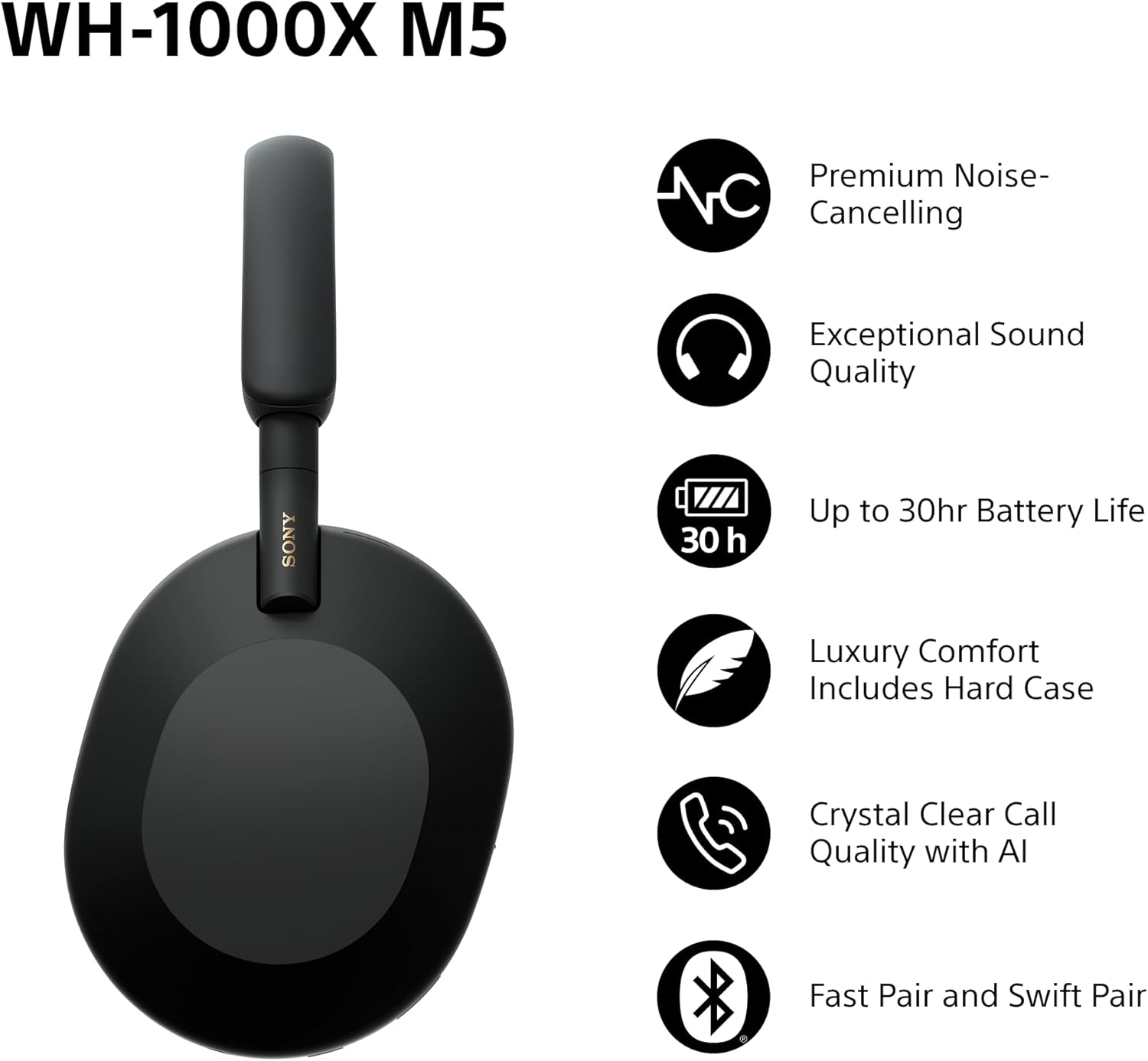

Summary
Editor's rating
Value for money: worth it on sale, borderline at full price
Minimalist look with a slightly fragile feel
Battery life and charging: basically worry-free
Comfort: light, soft, and good for long sessions
Build quality and long-term concerns
Sound and noise cancelling: strong, but tweak the EQ
What you actually get and how it fits into daily use
Pros
- Strong noise cancelling for commuting, office, and flights
- Very comfortable and lightweight for long listening sessions
- Good sound quality after EQ tuning, with stable Bluetooth and long battery life
Cons
- Feels a bit fragile around the hinges and shows smudges easily
- Sound profile out of the box is mediocre and needs EQ adjustment
- Touch controls can be overly sensitive, especially in wind or with longer hair

Specifications
View full product page →| Brand | Sony |
Sony XM5: hype vs daily reality
I’ve been using the Sony WH‑1000XM5 as my main headphones for work, commuting, and travel. I’m not an audiophile, I just wear headphones 4–6 hours a day and I want decent sound, strong noise cancelling, and something that doesn’t crush my head. I also came from cheaper Sony models and a pair of Bose, so I had a decent reference for comparison.
Right away, these feel like a high-end product, but not in a flashy way. The setup with the Sony app is straightforward, pairing with Android and Windows was simple, and most of the smart features actually work in real life. There are some gimmicks, but most of it is useful day to day. If you’ve never used premium ANC headphones before, putting these on in a noisy room is pretty striking.
That said, they’re not perfect. The sound out of the box is a bit bland and slightly muddy until you tweak the EQ. The touch controls are sometimes too sensitive, and the design feels a bit fragile around the hinges, so you don’t really want to toss them around. Also, the price at full RRP is high enough that you start noticing every little flaw.
Overall, after living with them, I’d say they’re a very strong all-rounder: great noise cancelling, very good sound once tuned, comfortable for long sessions. But you have to be okay with babying them a bit and spending a bit of time in the app to get the sound how you like it. If you can grab them on sale, they make a lot more sense.
Value for money: worth it on sale, borderline at full price
Price is where opinions on the WH‑1000XM5 really split. At full retail, they’re expensive, and you start comparing them to other premium options from Bose, Apple, and even Sony’s own cheaper models. Several Amazon reviewers mentioned getting them around £150–£250 during sales like Black Friday, and at those prices they make a lot more sense. You’re getting strong ANC, very good sound once tuned, long battery life, and high comfort. In that context, the value is pretty solid.
At full price, you start to notice the compromises more: plastic build that feels a bit fragile, sound that needs EQ to shine, touch controls that can be finicky, and no water resistance at all. If you’re only going to use them at home and in the office, that’s less of an issue. But if you want a pair that can handle rain, workouts, and being chucked into bags without a case, the cost vs durability balance is not great.
Compared to cheaper Sony models like the WH‑CH720N or the older XM4, you’re basically paying extra for slightly better ANC, lighter weight, and a more modern design. If you just want decent ANC and okay sound, those cheaper options are better value. If you spend hours every day with headphones on and you care about comfort and strong noise cancelling, the XM5 start to justify themselves, especially with a discount.
So in simple terms: if you catch them on a good deal and you’ll use ANC and comfort a lot (commuting, travel, noisy office), they’re worth the money. If you’re mostly listening at home in quiet rooms, or you’re rough on your gear, you might be better off with a cheaper, tougher pair and saving the extra cash.
Minimalist look with a slightly fragile feel
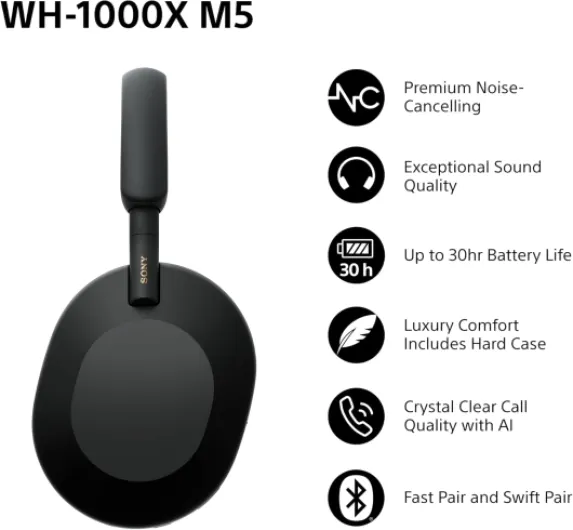
Design-wise, the WH‑1000XM5 are very clean and understated. The black version I used is matte, with small Sony logos and no shiny plastic screaming for attention. On your head, they don’t stick out too much, which I like. They look more like a work tool than a fashion accessory, which suits me fine. If you’re into brighter colours, Sony also sells silver, blue, and pink, but black is the safest if you’re using them for work and commuting.
The headband is thinner and more flexible than older Sony models. That’s nice for comfort, but it’s also the part that feels slightly fragile. There are quite a few reports online about hinge cracks if you bend them too aggressively or throw them in a bag without the case. I didn’t break mine, but I was definitely more careful than with cheaper headphones. You can twist them a bit and they’re fine, but you don’t get that confidence of a tank‑like build. If you’re rough with your stuff, that’s something to keep in mind.
The earcups rotate flat and there’s a smooth, almost frictionless feel when you adjust them. The height adjustment on the headband is also smooth, but there are no strong clicks like on some models, so you just slide until it feels right. Once set, it stays in place, but if you’re used to very firm notches, this feels different. The buttons are small but easy to find by touch: power on the bottom, NC/ambient slightly above. After a few days, I could find them without thinking.
In daily handling, the only thing that really bothered me is how easily the black surface shows fingerprints, smudges, and light marks. They don’t scratch super easily, but they almost always look a bit greasy unless you wipe them. Also, because of the more streamlined shape, grabbing them by one earcup and swinging them around feels like a bad idea. So: nice clean design, but not something I’d call rugged. They look good on a desk, less reassuring if you’re used to throwing your headphones anywhere.
Battery life and charging: basically worry-free
Battery life on the WH‑1000XM5 is one of the parts I didn’t have to think about much, which is exactly what you want. Sony claims up to 30 hours with ANC on, and in real use I was getting roughly a work week of mixed usage (4–5 hours a day) before needing to plug them in. I didn’t do a stopwatch test, but I was charging them roughly every 5–6 days, not every day, which is a big plus if you use them for work.
The battery percentage in the app seems reasonably accurate. After about 5 hours at work, I’d usually see a drop of around 10–15%, which lines up with what some Amazon reviewers mentioned. That means you can easily do a long‑haul flight plus airport time on one charge. For most people, you’ll just charge them once in a while and never really hit 0% unless you forget for a week.
Charging is via USB‑C only (no wireless charging). With a decent charger, they top up fast. The quick charge is handy: a few minutes on the cable can give you several hours of playback, which I tested once when I forgot to charge before going out. I plugged them in for about 10 minutes while getting ready and had enough battery for a full evening. That’s the kind of real‑world scenario where fast charging actually matters.
One quirk: if you use the analog cable and want full sound quality plus ANC, the headphones still need to be powered on, which means you’re still using battery. If you turn them off and rely purely on passive mode through the cable, the sound quality drops noticeably and ANC is gone. So even wired, you’re basically treating them as wireless ANC headphones first. Overall though, battery life is strong enough that it stops being a concern, unless you’re trying to squeeze out every hour on a very long trip without access to a charger.
Comfort: light, soft, and good for long sessions
Comfort is one of the main reasons I’d recommend these. The ear pads are soft, the clamping force is moderate, and the weight is low. I regularly wore them 3–4 hours in a row while working and didn’t get hot spots on the top of my head or painful pressure on my jaw. Compared to older, heavier over‑ears, this is a clear step up. If you’re sensitive to headband pressure, this model is worth considering just for that.
The earcups are large enough for my average‑sized ears to sit completely inside without touching the drivers. The faux leather pads feel smooth and seal well around the ear without feeling like a vise. There is some warmth build‑up after an hour or two, but that’s normal for closed over‑ears. I didn’t get sweaty ears unless the room itself was already hot. People with bigger ears might feel the inner edges slightly, but for me the fit felt pretty forgiving.
One thing I noticed: because they’re so light and the clamp isn’t too strong, they’re great at a desk or on a plane, but less ideal for intense movement. Walking is fine, but if you run or move your head quickly, they can shift slightly, and the seal might break for a second. I wouldn’t pick these as workout headphones. On the flip side, that lighter clamp means fewer headaches and less of that “headphone dent” feeling after long use, which several Amazon reviewers also mentioned positively.
The auto‑pause when you take them off works well and doesn’t get in the way. The only comfort‑related annoyance I had is the touch pad reacting when my hair brushed it in windy conditions, pausing or skipping by accident. Not a dealbreaker, but it adds to the feeling that these are better for calmer environments than rough outdoor use. Overall, for office, home, travel, and commuting, the comfort is a strong point and one of the reasons I kept using them instead of my other pairs.
Build quality and long-term concerns
In terms of materials, you’re mostly dealing with high‑quality plastic, faux leather on the ear pads, and a flexible headband. Nothing feels cheap to the touch, but it also doesn’t feel indestructible. After some weeks of use, my pair didn’t show serious wear: no peeling, no loose parts, no rattles. The ear pads stayed soft and the headband padding didn’t flatten noticeably. So short term, they hold up fine.
The part that worries me more is the hinge and headband area. The design is sleek and thin, and you can feel a bit of flex if you pull the cups apart quickly to put them on. I’ve seen enough user reports about cracks around that zone to treat them more gently than my cheaper sets. I always used the hard case in a backpack and avoided hanging them by one earcup or twisting them aggressively. If you’re the type to throw headphones on the sofa or in a gym bag without thinking, this might be a problem over time.
The black finish hides small scratches fairly well, but smudges and fingerprints show up easily. The buttons on the side can pick up little nicks if you drop them on hard surfaces; one Amazon reviewer actually mentioned scratching the power button in a fall. So they’re not super fragile like glass, but they’re definitely not in the “abuse them and they’re fine” category either. I’d call the durability acceptable but not rugged.
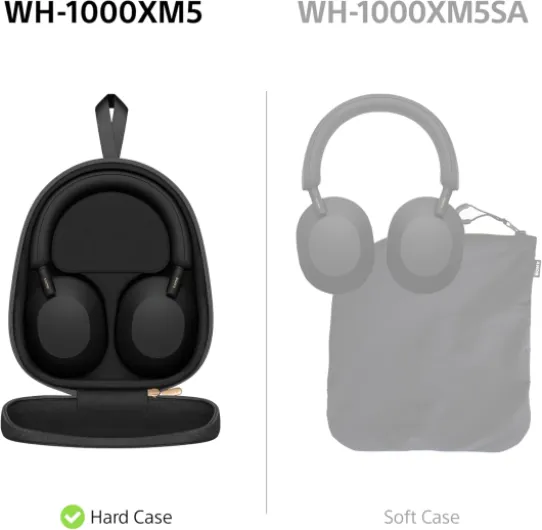
On the plus side, the included hard case is solid and actually encourages you to protect them. There’s a dedicated space for the cable and charger, and the shape keeps the headband from being stressed. If you use the case consistently and don’t treat them like throwaway gear, I think they’ll last a few years. But if you want something you can just toss around or share with kids, there are tougher, cheaper options that will handle that kind of treatment better.
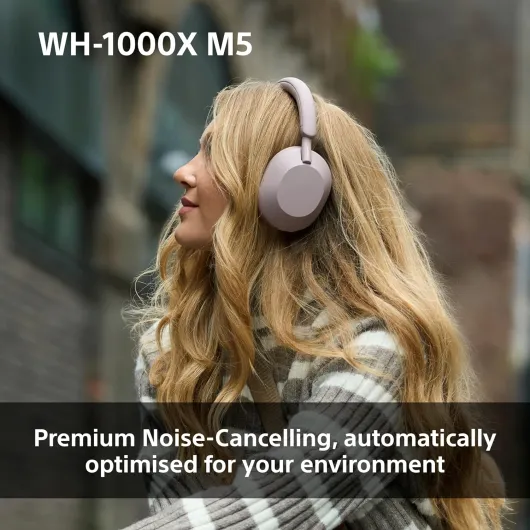
Sound and noise cancelling: strong, but tweak the EQ
Let’s split this into two parts: sound quality and noise cancelling. Out of the box, the sound profile is a bit warm and slightly dull in the highs. Bass is present but not crazy, mids are okay, treble feels a bit held back. It’s not terrible, but for the price it feels underwhelming if you just plug and play. The good news is that the Sony Headphones Connect app has a proper EQ, and once you spend 5–10 minutes tweaking it, the sound improves a lot.
With a mild V‑shape EQ (a bit more bass, a bit more treble), the headphones become much more lively. Vocals are clear, bass hits nicely without drowning everything, and details in guitars, cymbals, etc., are easier to pick out. I listened to a mix of rock, pop, electronic, and podcasts, and after tuning the EQ I was genuinely happy with the sound. It’s not audiophile‑grade magic, but it’s very solid Bluetooth sound. On Android with LDAC enabled, you do hear a bit more detail compared to standard SBC/AAC, especially in well‑recorded tracks.
Noise cancelling is where these really shine. On buses, trains, and planes, low‑frequency noise (engines, road rumble, aircon) gets heavily reduced. It’s not total silence, but it drops the background enough that even low‑volume music or podcasts are easy to hear. Human voices are reduced but not completely removed; you still hear some muffled talking, but it’s much less distracting. In an open‑plan office with AC and chatter, these made a noticeable difference in focus. Compared to Bose NC 700, I’d say Sony is at least on par, sometimes better with low‑end hum.
The extra features around ANC are mixed. The auto NC optimiser that adjusts to your environment is fine, but not something I really noticed in practice. Speak‑to‑Chat (music pauses when you talk) works, but it can be annoying if you sing along or clear your throat, so I turned it off. Wind noise reduction helps a bit, but in strong wind you still get some whooshing. Overall, sound and ANC together are the main strength of this model, as long as you accept that you need the app to get the most out of it.
What you actually get and how it fits into daily use
Out of the box, you get the headphones, a hard carrying case, a short USB‑C cable, an audio cable, and the usual paperwork. Nothing fancy, but it covers what you need. The case is properly rigid, so you can throw it in a backpack without worrying too much, and the headphones fold flat but not in the old XM3/XM4 style. They don’t collapse as compactly as earlier models, but they slot into the case in a fixed position that becomes second nature after a couple of days.
The headphones themselves are light at around 250g, which you notice immediately if you’ve worn chunkier models. Controls are a mix of two physical buttons (power/Bluetooth and NC/ambient) plus a big touch surface on the right earcup for volume, play/pause, and skipping tracks. Once you learn the gestures, it’s fairly intuitive, but there is a small learning curve and the touch pad can be a bit too reactive in the wind or if your hair brushes against it.
In terms of features, you’re getting: active noise cancelling with auto optimisation, ambient mode, Speak‑to‑Chat (music pauses when you talk), wear detection (auto pause when you take them off), multi‑point Bluetooth (two devices at once), and personalised Spatial/360 Reality Audio if you use compatible apps. A lot of that sounds like marketing fluff, but the basics matter more: solid Bluetooth connection, quick pairing, and an app that doesn’t feel like a chore. Here, Sony does a decent job. The connection stayed stable within a normal 1‑room flat range, and switching between laptop and phone was usually painless.
Day to day, I mainly used them for: working at home with noisy neighbours, commuting on buses and trains, and one medium‑haul flight. For these jobs, they fit in very naturally. I didn’t have to constantly fiddle with settings once I’d done my initial EQ and ANC preferences. After a week, they basically became the thing I grab automatically when I sit at my desk or leave the house, which is what you want from headphones in this price bracket.
Pros
- Strong noise cancelling for commuting, office, and flights
- Very comfortable and lightweight for long listening sessions
- Good sound quality after EQ tuning, with stable Bluetooth and long battery life
Cons
- Feels a bit fragile around the hinges and shows smudges easily
- Sound profile out of the box is mediocre and needs EQ adjustment
- Touch controls can be overly sensitive, especially in wind or with longer hair
Conclusion
Editor's rating
The Sony WH‑1000XM5 are strong all‑round wireless noise cancelling headphones, but they’re not magic and they’re not perfect. The main strengths are clear: very effective noise cancelling for travel and commuting, good sound quality once you tweak the EQ in the app, and comfort that works for long work sessions without headaches or sore ears. Battery life is basically a non‑issue, and the multi‑point Bluetooth plus quick pairing make them easy to live with across phone and laptop.
On the downside, the sound out of the box is a bit bland, the build feels more fragile than you’d expect at this price, and the touch controls can be annoying in windy conditions or if your hair brushes the earcup. You also have to keep them powered on for best sound even when using the cable, which means you’re always burning battery. At full retail, those flaws are noticeable. On sale, they’re much easier to justify.
I’d say these are for people who: travel often, work in noisy environments, or wear headphones 4+ hours a day and care about comfort and ANC. They’re less ideal if you’re rough with your gear, want something for workouts or rain, or hate using apps and EQ. If you fit the first group and can grab them at a discount, they’re a very solid choice. If not, you might want to look at cheaper Sony models or competitors and keep your wallet a bit happier.