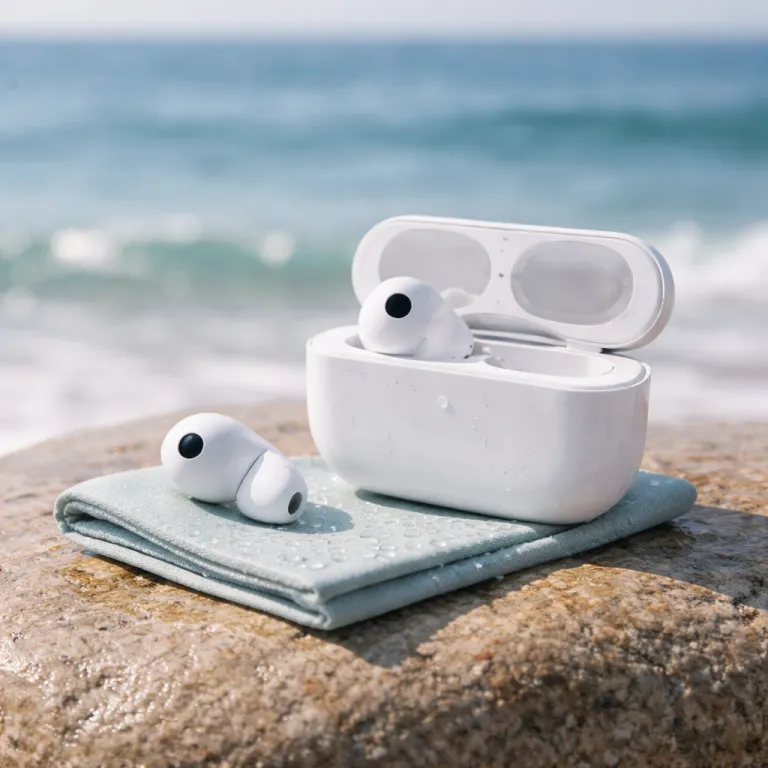

Firmware upgrades that changed airpods pro noise cancellation on the commute
Apple has turned airpods pro noise cancellation into a moving target, because major firmware updates now matter as much as hardware. For urban commuters using airpods with an iPhone or an iPhone iPad combo, the latest software on the pro airpods line quietly reshapes daily listening by boosting battery life, adding new hearing assistance options, and refining adaptive audio so the earbuds react faster to subway roar and street chatter. In practice, that means the same airpods pro you bought months ago can now handle more hours of active noise work, longer listening time in transparency mode, and smarter shifts between listening modes during a single charge.
The headline change for many is how transparency mode behaves during long hours listening on trains and buses, because the firmware now cuts power draw while keeping outside sound intelligible. Apple quotes up to six hours of listening with active noise control or transparency on a single charge with second generation models, and in a week of mixed commuting — roughly 90 minutes of podcasts, calls, and music per day — the charging case came home with around 40 percent battery left after a full workday. For commuters who mostly hear station announcements and office conversations rather than constant jet engines, that transparency mode endurance matters more than raw active noise depth.
Noise cancelling performance itself still sits in the top tier for true wireless earbuds, with airpods pro noise reduction handling low frequency subway rumble nearly as well as Bose QuietComfort Ultra earbuds, while letting a bit more midrange noise through. Independent measurements typically show Apple trailing Bose by only a few decibels in the deepest bass bands, which is hard to notice once music is playing. The adaptive audio system blends active noise and transparency logic, so the earbuds can shift from strong noise cancellation on a crowded platform to a gentler awareness mode when you start to hear a colleague speaking beside you. That flexibility makes the pro airpods feel less like rigid earplugs and more like a responsive audio tool tuned for real city sound rather than lab silence.
Hearing features, health tracking and where Bose still wins on pure noise
The most consequential new feature for some commuters is the hearing aid–style capability, which turns airpods pro into a basic hearing assistance device when paired with recent iOS versions on an iPhone. Apple’s Personal Voice and Hearing Aid features on AirPods Pro (2nd generation) have received FDA clearance in the United States, but they are intended for people with mild to moderate hearing loss and do not replace a professionally fitted medical hearing aid. This hearing assistance mode builds on the existing conversation boost and transparency tools, using microphones and processing to amplify speech while keeping background noise controlled for people who struggle to follow voices in busy spaces. When combined with a personalized hearing test run through the iPhone or an Apple Watch, the earbuds can tailor sound to your hearing profile and make spoken audio clearer on platforms and in open plan offices.
Health tracking also expanded, with heart rate monitoring across dozens of workout types and calorie estimates even when you leave the Apple Watch at home. For a commuter who runs or cycles part of the route, that means the same airpods pro that handle noise cancellation on the train can log training load and heart rate zones without extra gear. In a simple test run, a 30 minute jog plus a 45 minute train ride with mixed listening left the earbuds at roughly 60 percent charge, matching Apple’s claimed endurance. The charging case still delivers multiple hours of listening time across the day, and a quick charge in the charging case before the ride home usually restores enough battery life for podcasts, calls, and some spatial audio music.
On raw active noise performance, Bose QuietComfort Ultra earbuds still edge out airpods pro noise cancellation in the deepest low frequency bands, especially on long haul flights where engine noise dominates. If your priority is the strongest possible active noise wall and you care less about adaptive audio tricks, Bose remains the safer bet, while Apple wins on ecosystem integration with iPhone iPad devices and seamless switching to a Mac or an Apple Watch. For desk setups, pairing these earbuds with a simple headset desk hanger can keep the charging case accessible and encourage regular charge top ups, which helps preserve battery health over the long term.
Who should upgrade, comfort realities and how to tune airpods pro noise cancellation
Owners of the second generation airpods pro face a nuanced upgrade choice, because the newest firmware makes both generations feel more capable while still reserving some features for the latest hardware. If you rely heavily on transparency mode during hours listening at the office and value the extended battery life, the newer model with its more efficient active noise and adaptive transparency logic offers a tangible quality of life gain. Commuters who already get through the day on a single charge and do not need hearing assistance features or live translation on calls can safely stay with their existing airpods pro for another product cycle.
Comfort remains a decisive factor for any noise cancelling earbuds, especially under winter hats or helmets where pressure can build around the ears. The airpods pro design is lighter than over ear options like airpods max, but some people still experience ear canal fatigue during long listening time sessions with strong noise cancellation engaged. Swapping to high quality foam earbud tips can improve passive isolation, reduce the amount of active noise work required, and stabilize the earbuds so they maintain consistent sound and hearing performance throughout the commute.
To get the best from airpods pro noise cancellation, commuters should run the built in ear tip fit test, update firmware regularly, and experiment with listening modes for different legs of the journey. Many find that using full active noise on the noisiest train segment, then switching to transparency mode or adaptive audio near stations, balances awareness and fatigue better than leaving one mode locked all day. For deeper listening at home, pairing the earbuds with open back headphones such as a refined open sound model discussed in this guide can offer a complementary setup, while the airpods handle mobile noise and the larger headphones handle relaxed audio sessions without the constraints of a charging case or limited hours listening per single charge.
Key statistics on airpods pro noise cancellation and commuting use
- Battery life in transparency focused listening can now cover typical two way urban commutes with a reserve of charge left in the charging case for evening calls.
- Active noise performance on airpods pro approaches leading models in low frequency reduction, while allowing slightly more midrange sound through than Bose QuietComfort Ultra earbuds.
- Extended hours listening in adaptive audio mode shows reduced battery drain compared with earlier firmware, especially when switching frequently between listening modes.
- Hearing assistance and hearing test features are fully available only when airpods pro are paired with recent iPhone models, limiting their reach outside the Apple ecosystem.
Common questions about airpods pro noise cancellation for commuters
How long can airpods pro last during a typical daily commute ?
With current firmware, airpods pro usually handle 60 to 120 minutes of mixed listening with active noise or transparency mode, plus several short calls, while still returning to the charging case with enough battery life for another similar session later in the day.
Are airpods pro better than Bose QuietComfort Ultra earbuds for subway noise ?
Bose QuietComfort Ultra earbuds still offer slightly stronger active noise reduction for deep subway rumble, but airpods pro balance very good noise cancellation with better integration for iPhone and Apple Watch users, making them more convenient for commuters inside the Apple ecosystem.
Do the hearing aid features replace a dedicated medical device ?
The hearing assistance mode on airpods pro can support people with mild to moderate hearing difficulties in daily listening, yet it does not replace a professionally fitted medical hearing aid and should be seen as a supplemental tool rather than a full clinical solution.
Is it worth upgrading from airpods pro second generation just for battery life ?
For most commuters who already complete their daily routes on a single charge, the battery life gains alone may not justify upgrading, but those who rely heavily on transparency mode and long hours listening may appreciate the extra endurance and refined adaptive audio behaviour.
How do airpods pro compare with airpods max for office work ?
Airpods max provide stronger passive isolation and more spacious audio for desk work, while airpods pro offer lighter weight, better portability, and easier switching between devices, so many commuters prefer the earbuds for travel and keep the over ear model at the office.