Flagship models from Sony, Bose, and Apple compared
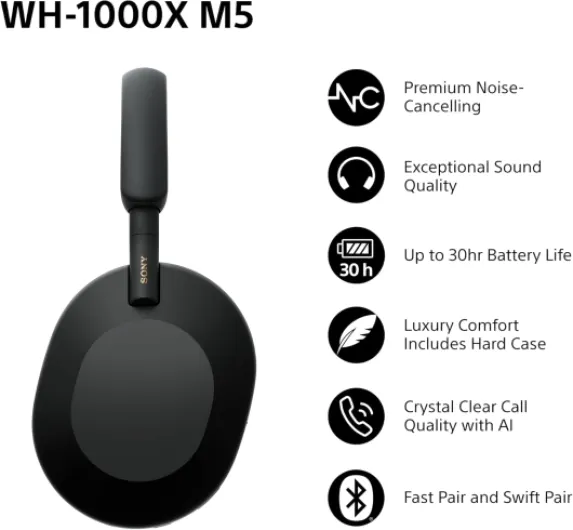
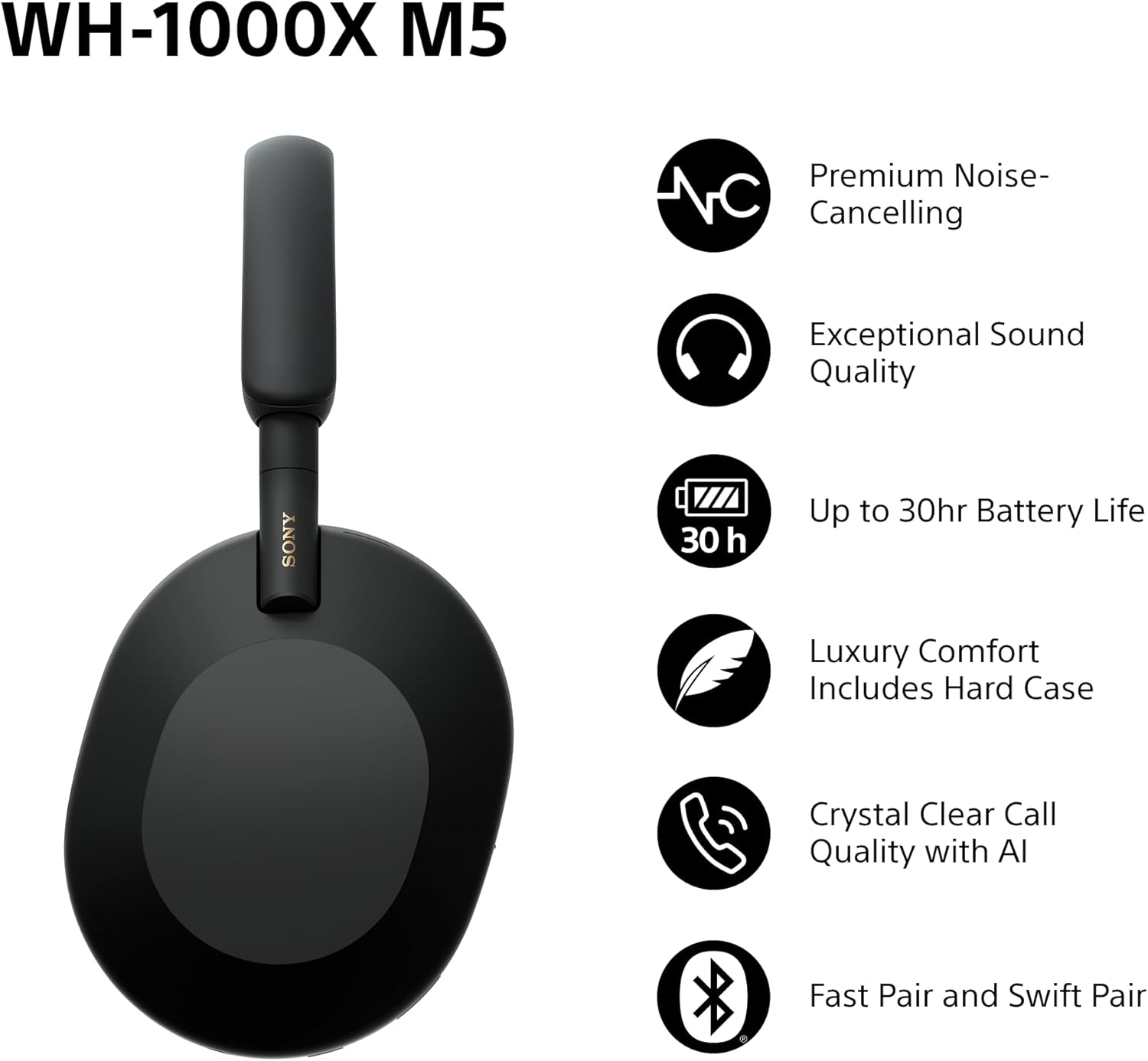
Among frequent travelers and audio professionals, Sony over ear headphones often rank among the best Bluetooth noise canceling headphones available. The company’s flagship wireless headphones combine powerful ANC, refined sound, and a customizable app that lets you tune bass, treble, and ambient sound levels. Many listeners appreciate how Sony balances deep bass with clear mids, which keeps voices intelligible without sacrificing musical impact.
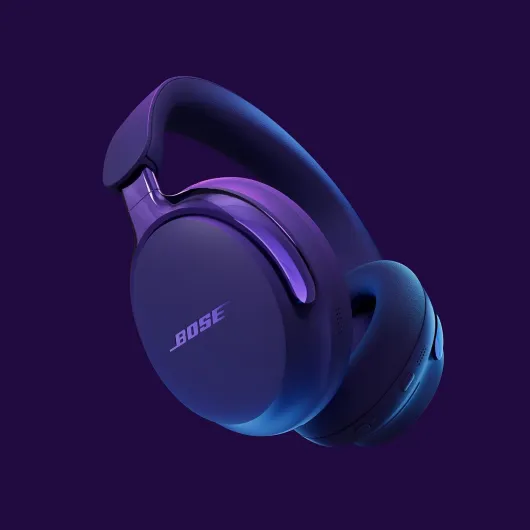
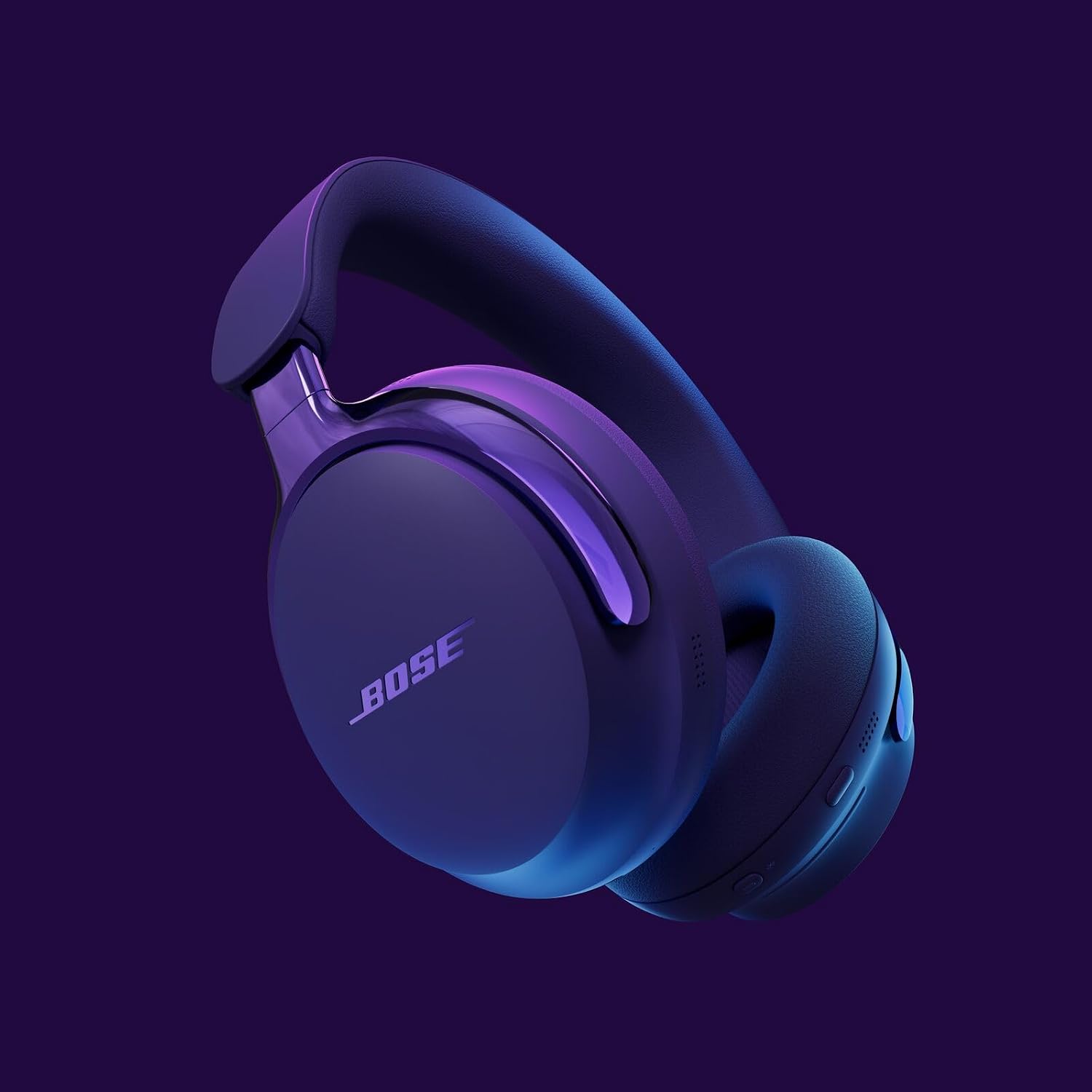
Bose has built its reputation on class leading noise cancellation, and the Bose QuietComfort line remains a reference point for noise canceling headphones. The latest Bose QuietComfort and QuietComfort Ultra models focus on comfort, stable wireless connections, and consistent noise reduction across different environments. If your priority is the best noise suppression during flights or in open offices, Bose QuietComfort headphones often feel better tuned for constant low frequency rumble than some competitors.
Apple’s AirPods Max target listeners who value seamless integration with Apple devices and a distinctive design. These wireless noise canceling headphones deliver spacious audio with precise imaging, although their weight and higher price make them less universal than lighter noise canceling headphones from Sony or Bose. For Apple users who switch constantly between iPhone, iPad, and Mac, the automatic device switching and spatial audio features can justify choosing AirPods Max over other best wireless options.
When to choose earbuds instead of full size headphones
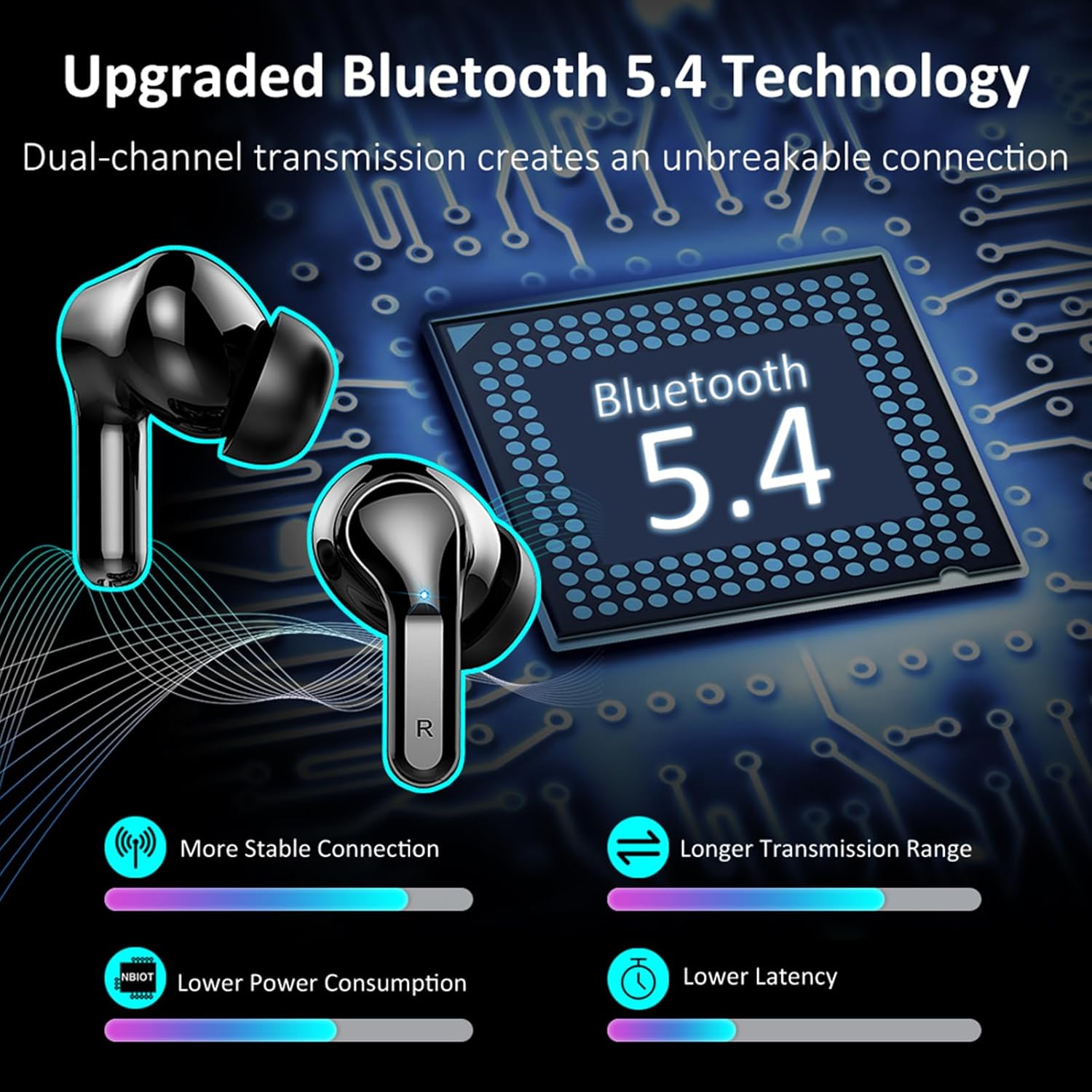
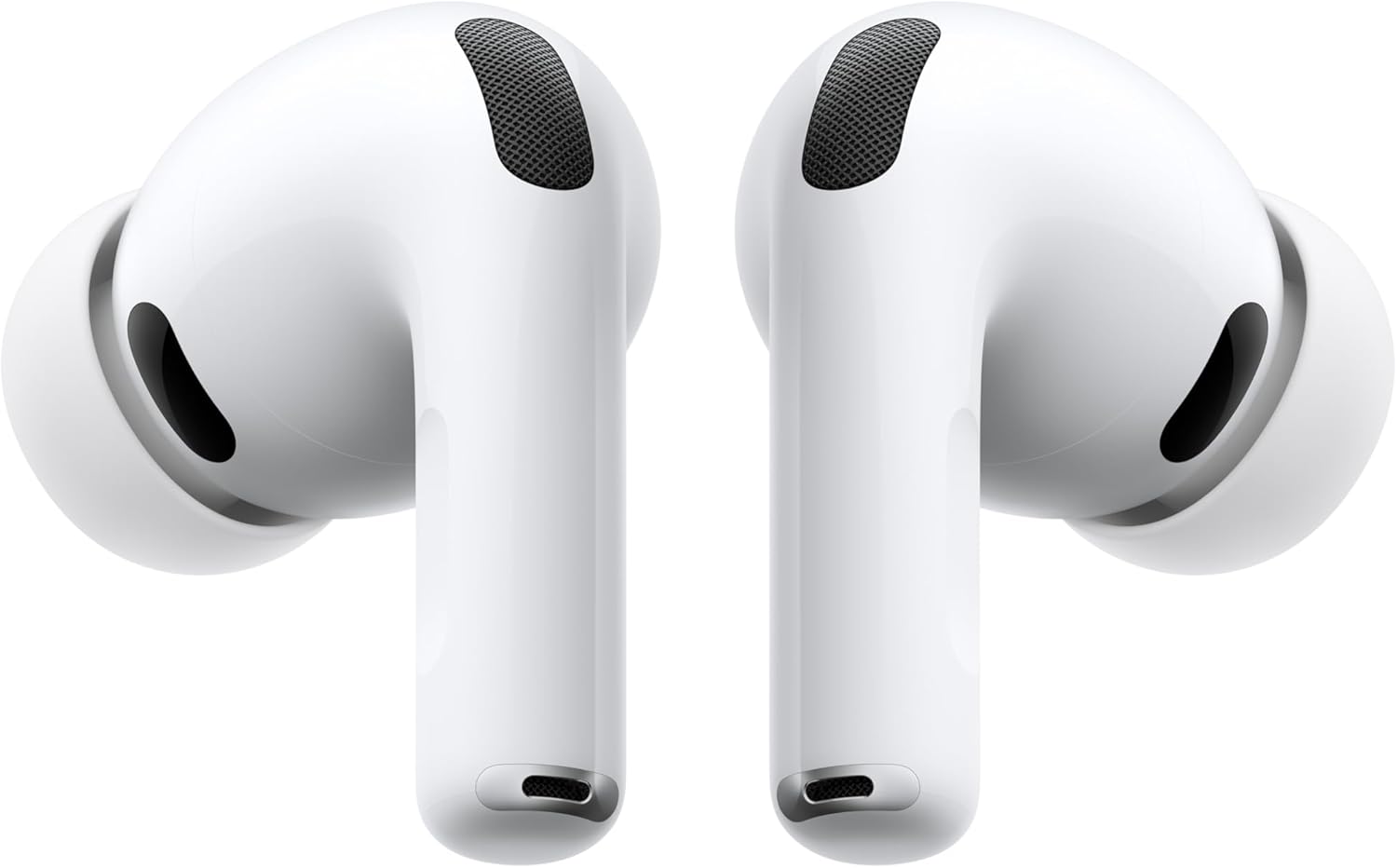
Not everyone wants large over ear headphones for commuting or office work. High end noise canceling earbuds from brands like Sony and Bose now offer ANC performance that rivals some over ear models, especially for mid and high frequency noise. These wireless earbuds also slip easily into a pocket, making them ideal for people who move frequently between meetings and transport.
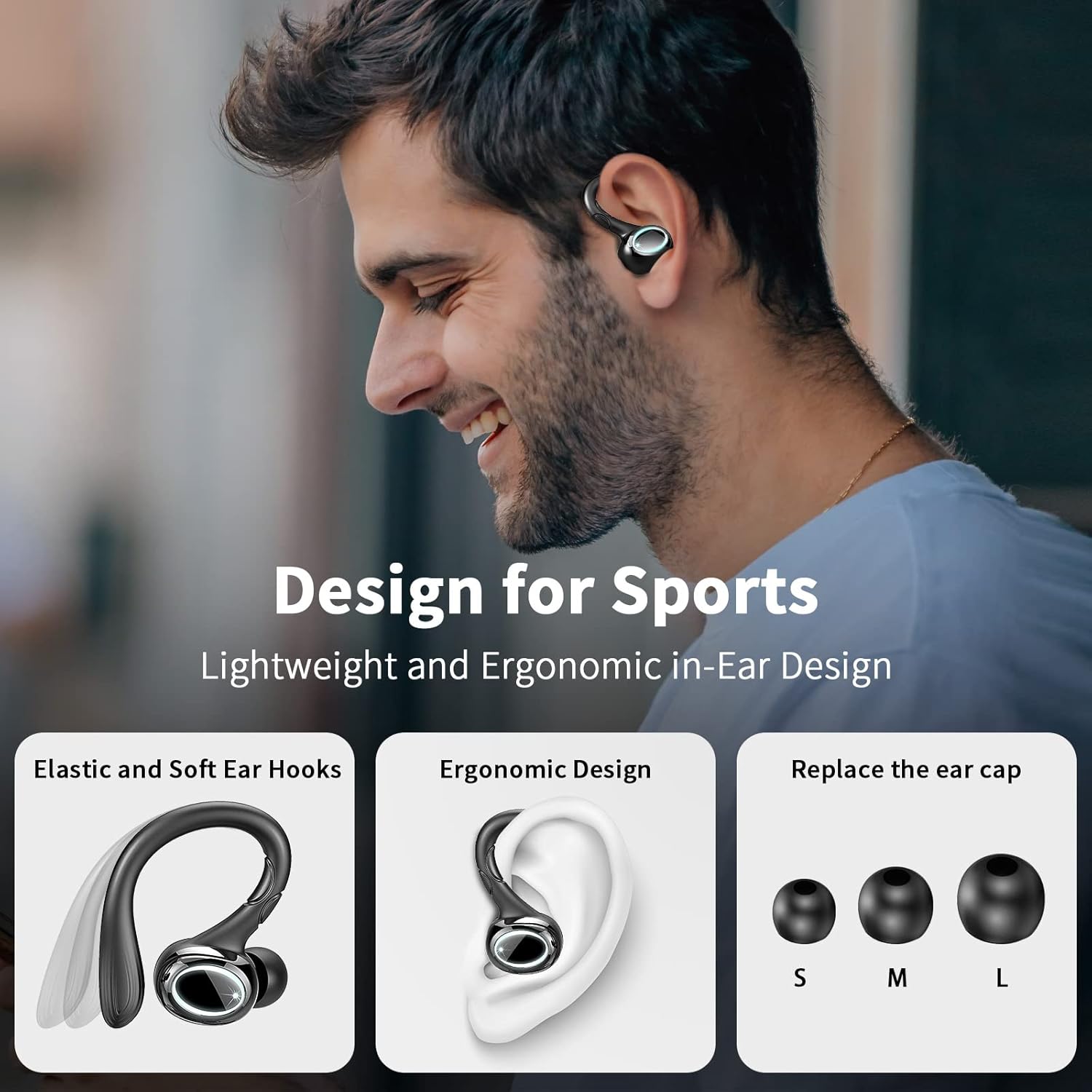
Wireless in ear designs with silicone tips usually provide better passive isolation than hard plastic earbuds, which directly improves both bass and overall noise cancellation. If you choose wireless earbuds as your main noise canceling headphones, pay close attention to fit kits that include multiple ear tip sizes. A secure seal not only improves sound quality but also stabilizes ANC performance when you talk, chew, or move your jaw.
For buyers on a tighter budget, it can be tempting to chase the lowest price on marketplaces that offer ebay refurbished listings. Refurbished wireless headphones and noise canceling earbuds can deliver excellent value, but you must check battery health, ear pad condition, and warranty coverage carefully. When evaluating ebay refurbished options, confirm that ANC microphones, Bluetooth connectivity, and the companion app all function correctly before committing.
For readers who want a detailed real world test of hybrid active noise canceling headphones, you can examine this independent hybrid ANC headphones review that focuses on wireless Bluetooth performance and deep bass behavior.
Sound quality, codecs, and tuning choices that matter
Noise cancellation attracts attention, yet sound quality ultimately decides whether you enjoy music, podcasts, and calls. The best Bluetooth noise canceling headphones combine strong ANC with balanced audio tuning that respects vocals, instruments, and spatial cues. When you compare models, listen for how clearly you can follow voices at low volume, because aggressive bass can mask important midrange details.
Many premium wireless headphones support advanced Bluetooth codecs such as LDAC, aptX Adaptive, or AAC, which can transmit higher quality audio than the basic SBC codec. These codecs help preserve subtle sound textures, especially in high resolution streaming, but they also depend on both your phone and headphones supporting the same standard. If you mainly stream from mainstream services at standard bitrates, a well tuned driver and thoughtful acoustic design often matter more than chasing every possible codec.
Bass response deserves special attention because strong low frequencies interact directly with ANC behavior. Some Sony and Bose models offer adjustable bass in their apps, letting you tailor the sound to your preferences and to different genres. For example, you might prefer more bass for electronic music on wireless headphones, then reduce it for acoustic tracks to highlight natural timbre and room ambience.
How ANC affects perceived audio quality
Active noise systems constantly analyze external noise and inject counter signals, which can subtly change the character of the music. On some noise canceling headphones, you may notice a slight hiss or a narrowing of the stereo image when ANC is set to maximum strength. This effect is less pronounced on top tier models from Sony, Bose, and Apple, but sensitive listeners should still compare ANC on and off when judging sound quality.
Wireless noise algorithms also behave differently across brands and models, especially when handling sudden sounds such as door slams or loud voices nearby. Adaptive ANC tries to adjust in real time, yet rapid changes can occasionally create brief artifacts that some ears interpret as pumping or fluttering. If you often work in dynamic environments, test how your chosen wireless headphones handle these transitions rather than only steady background noise.
For people who prioritize pure audio fidelity above all else, it can be worth using ANC only when necessary. Many best wireless models allow you to switch to transparency or standard Bluetooth modes, which can restore a more open soundstage. This flexibility lets you enjoy high quality audio at home while still benefiting from strong noise cancellation on planes, trains, or busy streets.
Battery life, charging habits, and long haul listening
Battery life has become a decisive factor when ranking the best Bluetooth noise canceling headphones for travel and remote work. Over ear wireless headphones typically offer between about 20 and 40 hours of playback with ANC enabled in standardized 50–60 percent volume tests, while compact wireless earbuds usually provide 5 to 10 hours per charge plus extra power from the case. These numbers vary significantly depending on volume, codec choice, and whether you use features such as spatial audio or always on microphones.
Manufacturers often advertise ideal battery life figures measured at moderate volume with standard codecs, which can differ from your real usage. If you listen loudly, use high bandwidth codecs, or keep ANC on high, expect actual battery life to drop by several hours compared with marketing claims. To understand these trade offs in more depth, you can consult this detailed guide on battery math for long haul ANC listening that explains why advertised durations rarely match continuous real world use.
Fast charging has become standard on many best wireless models, allowing several hours of playback from a short top up. This feature proves especially useful for travelers who forget to charge overnight and need quick power before boarding a flight or train. When comparing price and specifications, consider whether the charging port uses USB C, because this simplifies life by letting you share cables with phones, tablets, and laptops.
Battery care, longevity, and refurbished gear
Lithium ion batteries degrade over time, which affects both battery life and maximum volume on wireless headphones and earbuds. To slow this process, avoid leaving your noise canceling headphones at 0 percent or 100 percent charge for long periods, and store them in a cool, dry place. Some premium models include smart charging features in the app that limit maximum charge to extend long term battery health.
Refurbished and ebay refurbished listings can offer significant savings on high end Sony, Bose, or AirPods Max models, but battery condition becomes critical. Always check whether the seller has replaced the battery or at least measured its remaining capacity in hours with ANC enabled. A lower price may not be better value if the battery delivers only half of the original wireless noise performance and needs replacement soon.
For heavy users who listen eight or more hours per day, investing in headphones with replaceable ear pads and serviceable batteries can extend the product’s useful life. Some brands provide official service programs, while others rely on third party repair shops that specialize in wireless headphones. Evaluating long term maintenance options alongside initial price helps you identify the true best noise canceling investment for your needs.
Apps, controls, and smart features that genuinely help
Companion apps have become central to the experience of using the best Bluetooth noise canceling headphones. These apps allow you to adjust ANC strength, tune equalizers, remap touch controls, and sometimes even analyze your ear shape for personalized audio. When comparing models, consider how intuitive the app feels and whether it supports your phone’s operating system fully.
Some Sony and Bose apps offer detailed control over active noise profiles, letting you create presets for commuting, office work, and home listening. You can often set how much external sound passes through in transparency mode, which is essential for hearing announcements or conversations without removing your over ear headphones. For people who move constantly between environments, location aware features can automatically adjust noise cancellation and sound settings based on GPS or Wi Fi signals.
Gesture controls on wireless headphones and wireless earbuds can feel convenient or frustrating depending on implementation. Touch sensitive ear cups allow quick volume and track changes, yet accidental brushes can trigger unwanted actions, especially when adjusting hats or hair. Physical buttons may look less sleek but often provide more reliable control, particularly in cold weather when you wear gloves.
Call quality and microphone performance
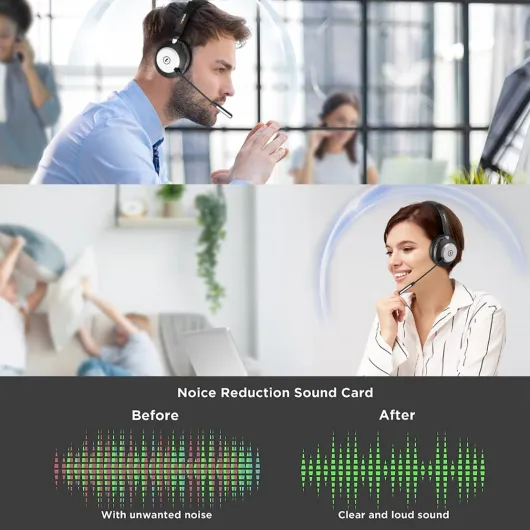
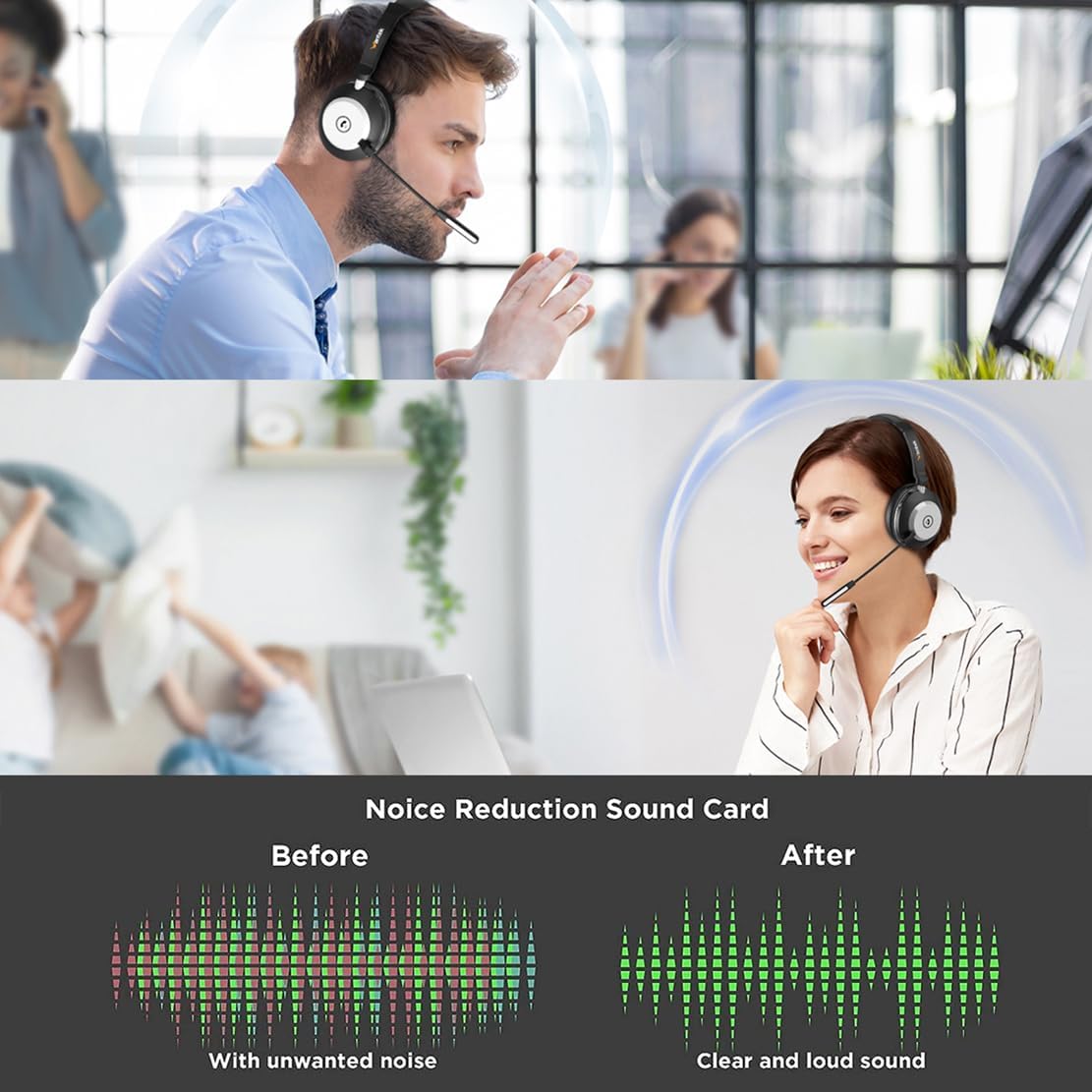
Many buyers overlook microphone quality when choosing noise canceling headphones, even though calls and video meetings occupy a large part of daily use. Premium wireless noise models use beamforming microphones and advanced algorithms to separate your voice from background noise. In practice, this means colleagues hear you clearly even in cafés, airports, or busy streets with constant ambient sound.
Earbuds and wireless in ear designs place microphones closer to the mouth than some over ear headphones, which can improve speech clarity in wind or traffic. However, small microphones are more exposed to gusts and clothing rustle, so brands like Bose and Sony add mesh covers and software filters to manage these challenges. When possible, test call quality in both quiet rooms and noisy environments before committing to a particular pair of noise canceling earbuds or headphones.
Integration with voice assistants such as Siri, Google Assistant, or Alexa also depends on microphone performance and app design. If you rely heavily on voice commands, check whether your chosen wireless headphones support hands free activation and quick response times. A well implemented assistant can make it easier to manage playlists, adjust ANC, or check battery status without touching your phone.
Price, value, and how to match models to your priorities
Price differences between entry level and flagship Bluetooth noise canceling headphones can be dramatic, yet higher cost does not always equal better value. The most expensive wireless headphones usually combine top tier ANC, refined sound, premium materials, and advanced smart features, but many people will not use every capability. Before spending heavily, define whether your priority is maximum noise reduction, best audio fidelity, long battery life, or the lightest possible design.
Midrange models often deliver the best balance between performance and cost, especially for mixed use across commuting, office work, and home listening. These headphones may sacrifice luxury materials or niche features while still offering strong noise cancellation, solid sound quality, and reliable Bluetooth connectivity. For many listeners, this segment represents the true best wireless value, particularly when occasional discounts narrow the gap with budget options.
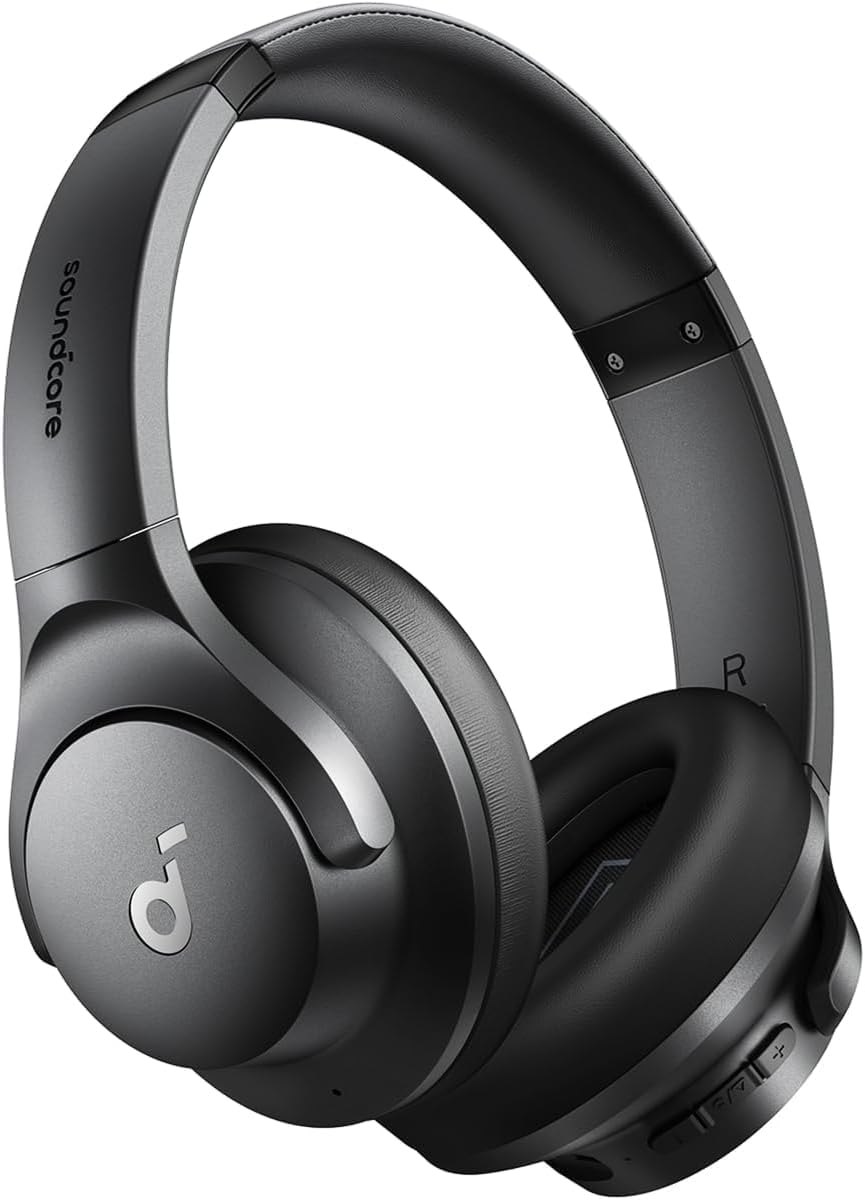
Budget wireless noise models have improved significantly, yet they still lag behind Sony, Bose, and AirPods Max in complex environments such as airplanes. If you mainly need moderate noise reduction for libraries, shared offices, or evening walks, a well reviewed affordable pair can still satisfy. Just be realistic about limitations in ANC strength, app sophistication, and long term durability when comparing them with premium noise canceling headphones.
Where refurbished and previous generation models fit
Previous generation flagship headphones from Sony or Bose often remain excellent choices several years after release. When new models appear, the earlier versions usually drop in price while still offering strong ANC, good sound, and mature apps. For many buyers, these discounted units represent the best noise canceling value because they combine proven reliability with lower cost.
Refurbished and ebay refurbished listings can further reduce the price of high end wireless headphones and noise canceling earbuds. To avoid disappointment, focus on sellers who provide clear grading standards, detailed photos, and at least a short warranty. Inspect ear pads, headbands, and charging ports carefully, because worn materials and loose joints can affect both comfort and acoustic performance.
When you weigh new versus refurbished options, consider how long you plan to keep the headphones and how intensively you will use them. Heavy daily users may benefit from buying new models with full warranties and fresh batteries, especially if they rely on ANC for work. Occasional listeners can often achieve better overall value by choosing well maintained refurbished units that still deliver excellent wireless noise performance at a lower price.
For readers who want a curated overview of leading models, this guide to top hybrid noise canceling headphones highlights several wireless options that balance ANC strength, sound quality, and comfort effectively.
Key statistics about Bluetooth noise canceling headphones
- According to a market analysis by Grand View Research, the global headphones and earphones market exceeded 25 billion US dollars in annual revenue, with wireless noise canceling models representing one of the fastest growing segments by unit sales; the report notes that growth is driven by commuting, remote work, and streaming usage.
- Consumer testing from Rtings and similar measurement focused reviewers has shown that top tier over ear ANC headphones can reduce low frequency aircraft cabin noise by more than 20 to 25 decibels in controlled pink noise simulations, which listeners perceive as roughly a 70 percent reduction in loudness.
- Battery benchmarks from multiple review laboratories indicate that many flagship wireless headphones now achieve between about 25 and 35 hours of continuous playback with ANC enabled at moderate volume, compared with typical figures closer to 15 to 20 hours for models released several product generations earlier.
- Surveys of office workers by audio manufacturers report that more than 60 percent of respondents feel less fatigued and more focused when using effective noise cancellation during open plan work, especially for tasks that require sustained concentration such as coding, writing, or data analysis.
- Independent measurements of Bluetooth latency show that modern codecs and optimized firmware can reduce audio delay to around 150 milliseconds for compatible devices, which is acceptable for streaming video but still noticeable for competitive gaming and rhythm based titles.