Key safety criteria when choosing kids headphones and earmuffs
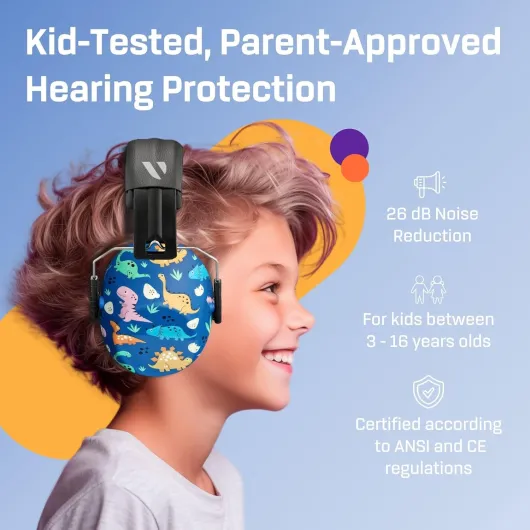
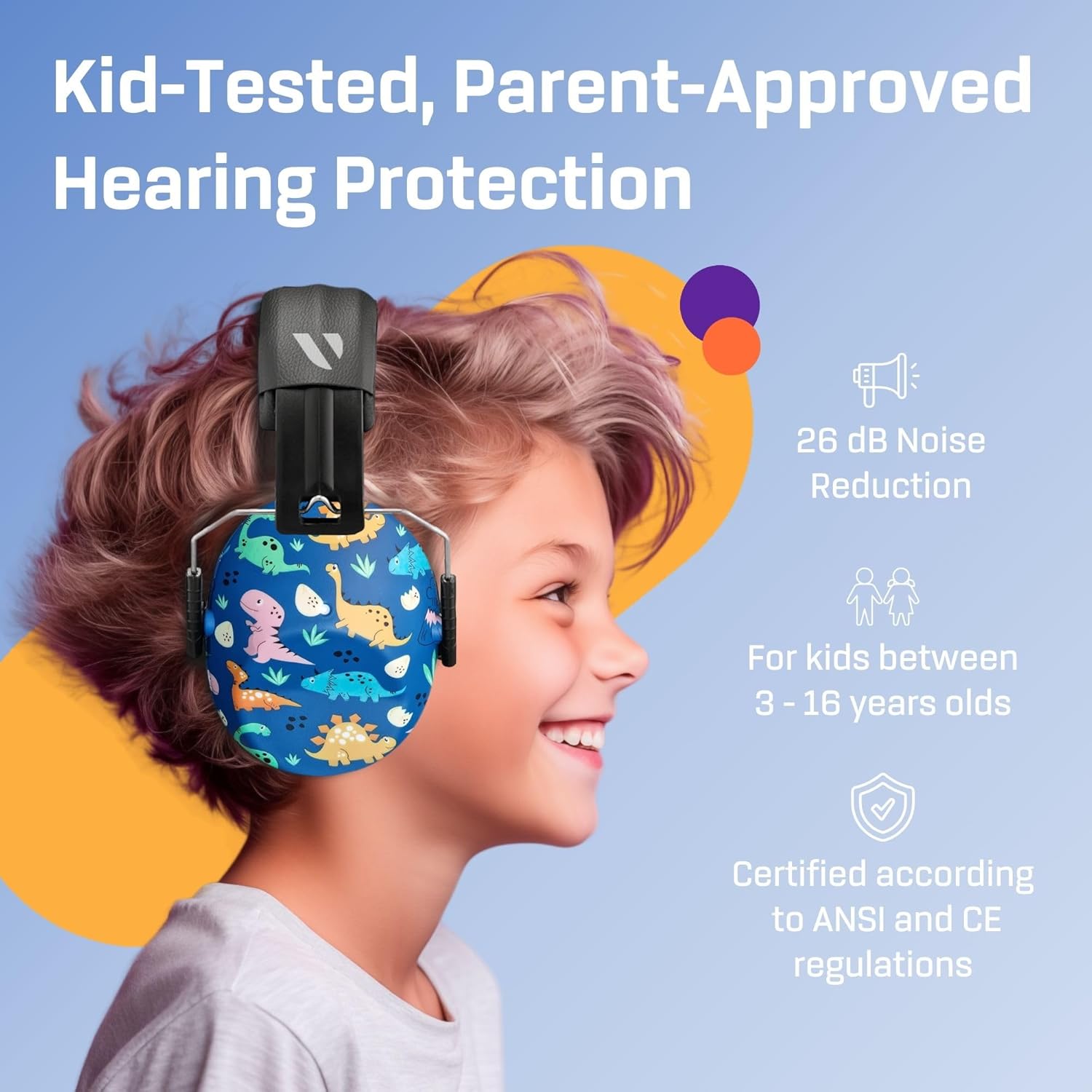
When you compare the best noise canceling headphones for kids, start with safety standards rather than style or stars in online reviews. Look for a clear statement of maximum volume dBA, ideally with a limiter that caps output around child safe levels and does not allow easy bypass. Reputable kids headphones brands also publish their noise reduction rating (NRR) or signal how many decibels of attenuation their hearing protection provides and explain how their design meets or exceeds the relevant standard for children.
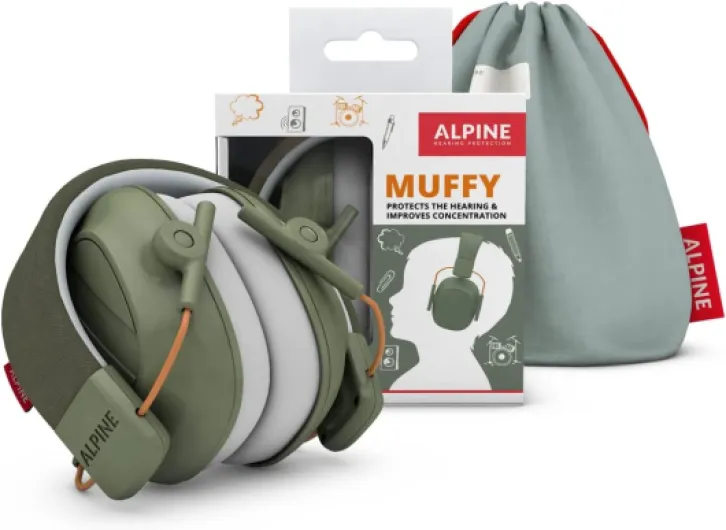
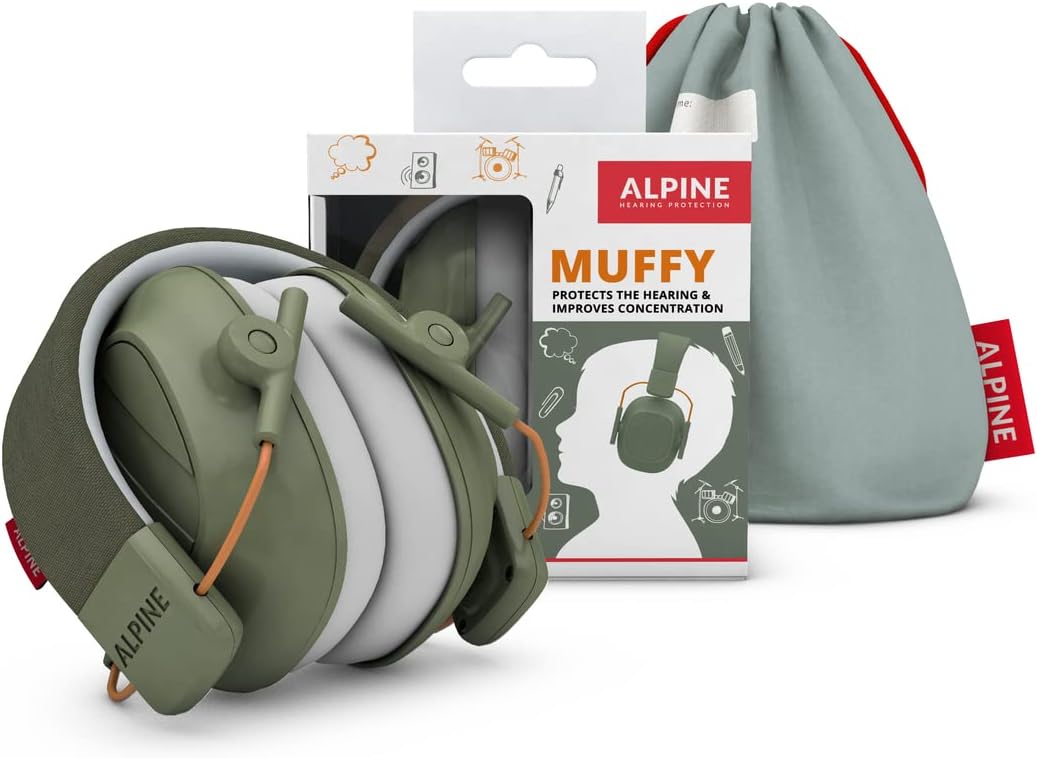
Independent tests by organisations such as Wirecutter and Rtings have measured popular child friendly models using fixed test tracks, specific playback devices, and standardised ear couplers that simulate a child’s ear. For example, the Puro Sound Labs BT2200 Plus typically limits output to about 85 dBA at the ear in lab conditions, the Onanoff BuddyPhones School+ Wireless targets roughly 85 dBA with a 75 dBA study mode, and the Snuggly Rascals Kids Headband Headphones often measure closer to 90 dBA at maximum volume, which may be too loud for extended listening. For pure hearing protection, 3M Kids Hearing Protection earmuffs carry an NRR around 22 dB, while Alpine Muffy Kids ear muffs are rated for roughly 25 dB of broadband noise reduction according to their published spec sheets.
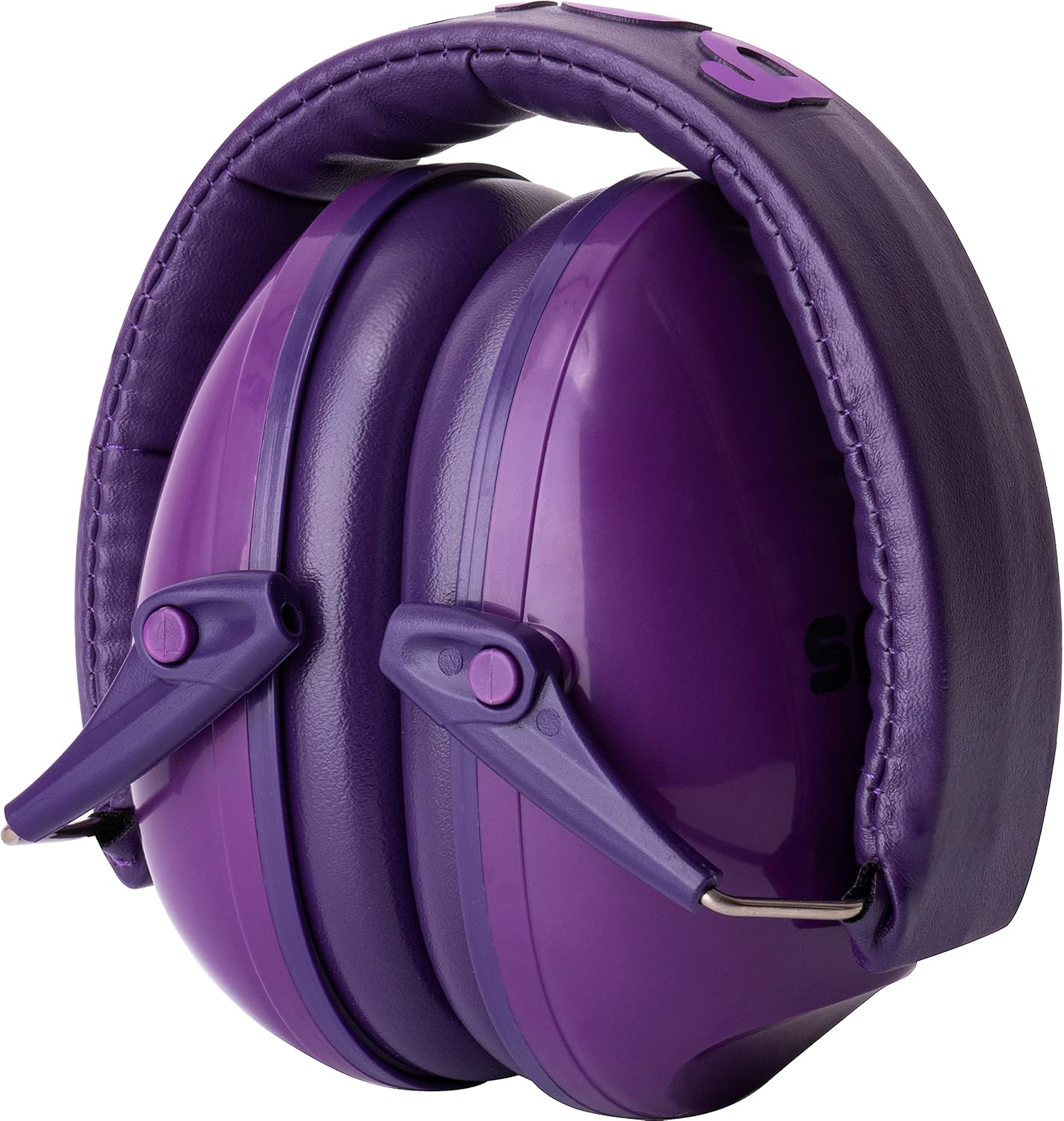
For younger children, passive ear muffs or earmuffs often provide more reliable protection than complex active noise cancelling headphones. These products create a physical barrier around the ear, which is especially useful for autistic children or any children with autism related sensory sensitivities who may find electronic noise cancellation unsettling. Many parents combine soft ear muffs with separate wired or bluetooth headphones at low volume, so kids can listen comfortably while still enjoying strong noise reduction.
Comfort is another safety factor, because kids will not wear headphones or cancelling headphones that pinch, overheat, or irritate the skin. Check that the headband adjusts to small heads, that the cups fully cover the kids ear without pressing too hard, and that materials touching the skin are hypoallergenic. For school or travel, foldable kids headphones with detachable cables and robust hinges reduce the risk of breakage in the product chain and help maintain consistent protection over time.
For a curated overview of child friendly models, many parents consult a specialised guide to top noise cancelling headphones for kids that compares price, comfort, and protection side by side. Such resources help you see how different headphones autism friendly designs balance noise cancellation with awareness of the environment. They also highlight which kids headphones and earmuffs are better suited to home, school, or travel.
To make comparison easier, the table below summarises key safety data from manufacturer specifications and independent lab measurements for several widely reviewed child focused models.
| Model |
Type |
Typical max level at ear* |
NRR / attenuation |
Works passively with power off? |
| Puro Sound Labs BT2200 Plus |
Bluetooth on ear headphones |
≈85 dBA (Wirecutter / Rtings style tests) |
Passive isolation only (no formal NRR) |
Yes, as wired or unpowered headphones |
| Onanoff BuddyPhones School+ Wireless |
Wireless kids headset with boom mic |
≈85 dBA in standard mode, ≈75 dBA in study mode |
Moderate passive attenuation |
Yes, can be used in wired mode without battery |
| Snuggly Rascals Kids Headband Headphones |
Fabric headband with flat speakers |
Often close to 90 dBA at full volume in lab tests |
Minimal passive noise blocking |
Yes, but offers little isolation when unpowered |
| 3M Kids Hearing Protection |
Over ear earmuffs |
Not applicable (no audio playback) |
NRR ≈22 dB (manufacturer rating) |
Always passive hearing protection |
| Alpine Muffy Kids |
Adjustable kids ear muffs |
Not applicable (no audio playback) |
Broadband reduction ≈25 dB (product literature) |
Always passive hearing protection |
*Measured using standardised test tracks, fixed source devices, and artificial ears or couplers that approximate a child listener; real world levels vary with fit and content.
Understanding active noise cancellation versus passive noise reduction for children
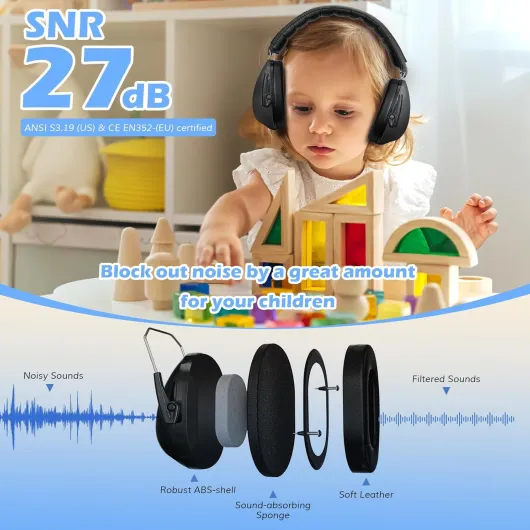
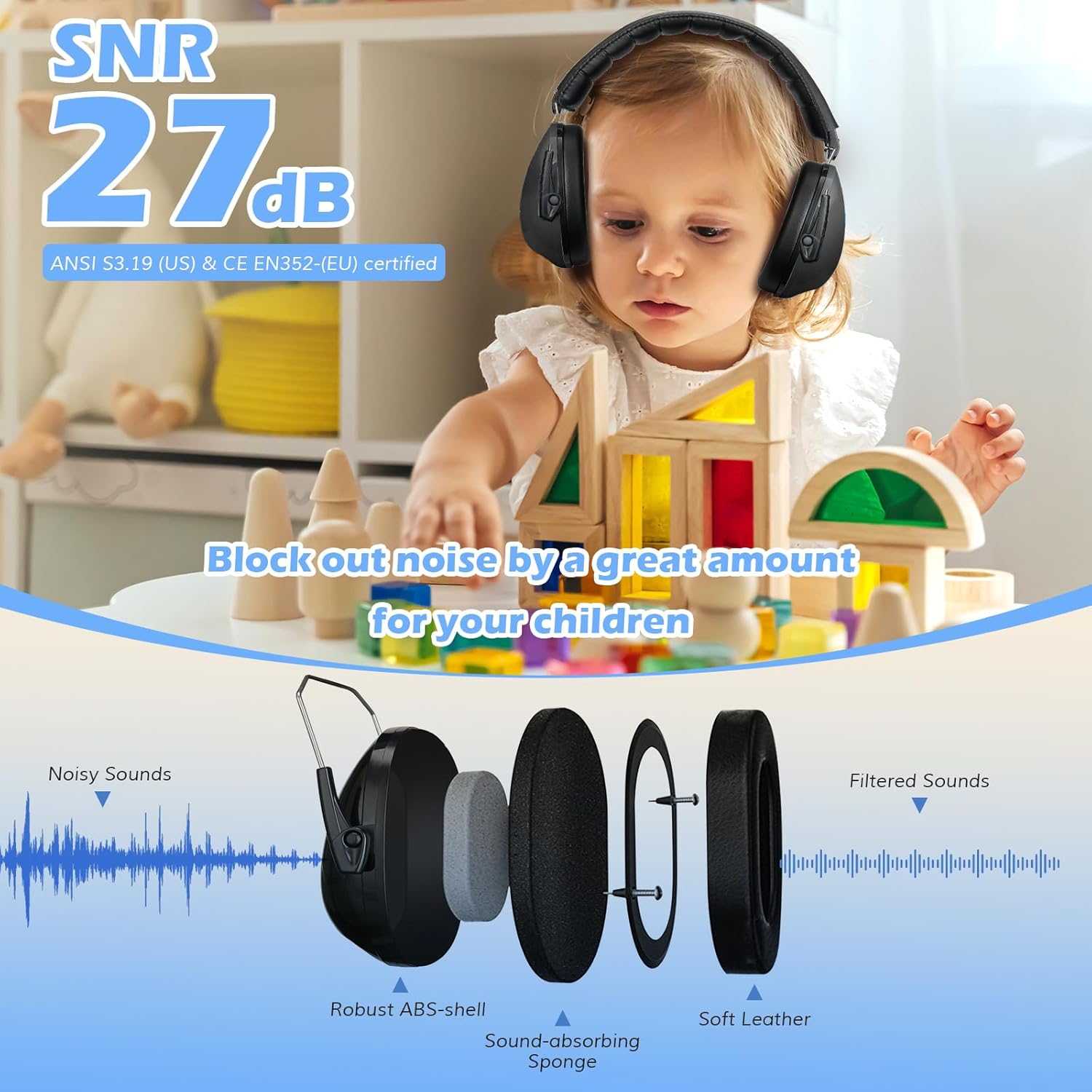
Active noise cancellation uses microphones to capture ambient noise and then generates an opposite sound wave to canceling that noise at the ear. This active noise technology works best for steady low frequency sounds like engines or air conditioning, which is why many families choose noise canceling or noise cancelling models for flights and long train journeys. Passive noise reduction, by contrast, depends on the physical design of the headphones and ear muffs to block sound without electronics.
For kids, the best noise canceling headphones for kids often blend both approaches, using well padded cups for passive isolation plus active noise circuits for extra comfort. In practice, that means children can listen at a lower volume because the background noise is already reduced before it reaches the ear drum. Parents of autistic children or children with autism sensory challenges should test both modes, since some kids prefer the predictable feel of passive ear protection while others appreciate the calmer soundscape created by active noise cancelling.
Newer bluetooth headphones for kids are starting to use more advanced personalised noise cancellation that adapts to each ear canal. Detailed explanations of how personalised active noise systems work, and why generic cancelling headphones can be less effective, are available in technical analyses such as this guide on why personalised ANC can outperform generic cancellation. While most kids headphones do not yet scan the ear, understanding these principles helps you judge whether a product’s noise cancellation claims are realistic and whether the price matches the promised performance.
Special considerations for autistic children and sensory sensitive kids
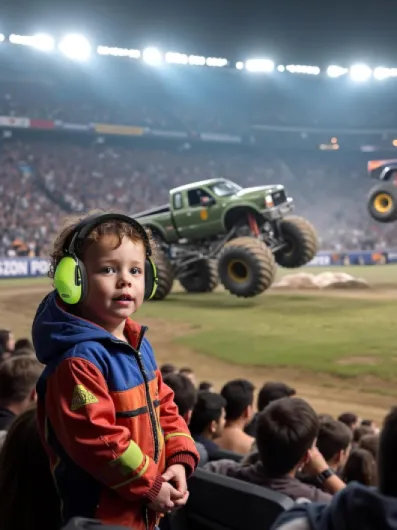
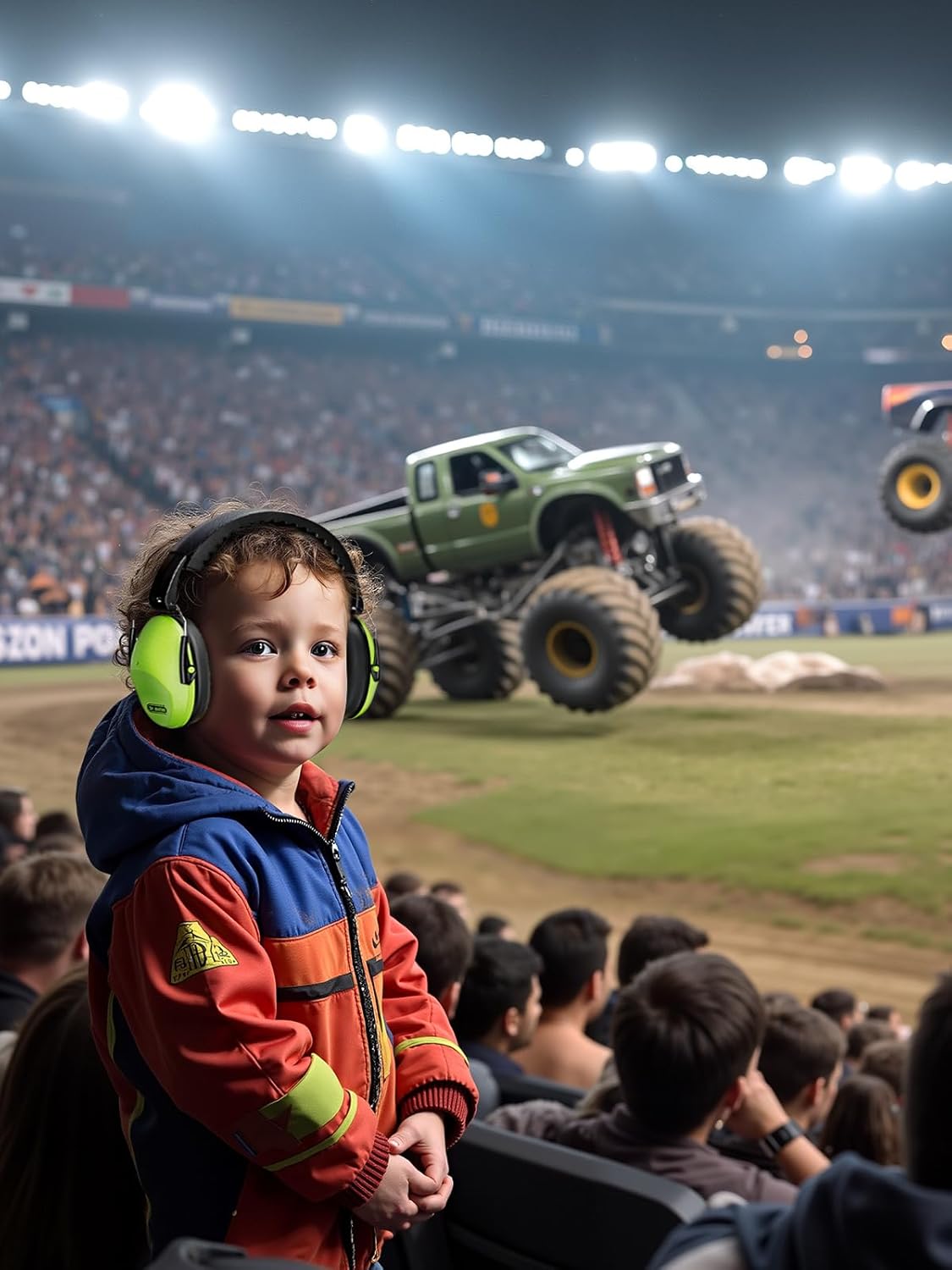
Families searching for the best noise canceling headphones for kids with autism often have different priorities from those buying for casual music listening. For many autistic children, consistent hearing protection and predictable noise reduction can reduce anxiety in crowded or echoing spaces like supermarkets, classrooms, or sports arenas. In these situations, soft earmuffs or ear muffs designed for autism sensory comfort can be more effective than flashy bluetooth headphones with complex controls.
When evaluating headphones autism friendly models, pay attention to how quickly children can put them on and take them off independently. Simple sliders, clear left right markings, and minimal buttons help kids manage their own ear protection without frustration, which is especially important during noisy school transitions or emergency drills. Some parents keep a second pair of kids headphones or cancelling headphones in the school bag so that children always have access to noise cancellation when they feel overwhelmed.
Texture and weight also matter for sensory sensitive kids, because heavy or scratchy materials can be as distressing as loud noise. Lightweight designs using soft padding and sometimes recycled materials can feel gentler on the head while still providing strong hearing protection. When possible, let children test several headphones and earmuffs at home, gradually increasing wear time so their ears and nervous system adapt to the new sensation.
Balancing price, sustainability, and durability in kids headphones
Cost is always part of the decision when choosing the best noise canceling headphones for kids, but the lowest price is rarely the safest option. Cheap headphones may lack reliable volume limiting, clear noise reduction data, or robust hinges, which can lead to early breakage and inconsistent protection. A mid range product that uses durable plastics, reinforced cables, and high quality padding often delivers better long term value for families and for the environment.
Some manufacturers now highlight their use of recycled materials in kids headphones and earmuffs, which can appeal to eco conscious parents and older children. When you see claims about recycled plastics or recycled metals, check whether the company explains what percentage of the product is recycled and how that affects durability and safety. True sustainability in the product chain means balancing recycled content with strong construction, so that headphones last through daily school use, travel, and play without frequent replacement.
Bluetooth headphones for kids add convenience by removing cables, but they also introduce batteries and electronics that must withstand rough handling. Look for clear information about battery life, charging safety, and whether the headphones can still provide passive ear protection when the battery is empty. A slightly higher price for robust cancelling headphones that maintain hearing protection even when powered off is usually a safer investment than a fragile bargain model.
Practical scenarios: travel, school, and everyday use
Real life use cases reveal how the best noise canceling headphones for kids perform beyond the spec sheet. On planes, trains, or long car journeys, active noise cancelling headphones can dramatically reduce engine noise, allowing children to listen at a lower volume and arrive less fatigued. Detailed travel tests of noise cancelling performance, such as those comparing different models across multiple flights, show how consistent noise cancellation can make family travel calmer for both parents and kids.
For school, many families prefer simpler kids headphones or earmuffs that focus on passive noise reduction and clear volume limits. These models provide reliable hearing protection during loud activities like assemblies, sports events, or music classes, while still letting children hear teachers and classmates when used correctly. Some schools now recommend or even supply ear muffs or headphones autism friendly options for students who need extra support, recognising that controlled noise exposure can improve concentration and behaviour.
At home, cancelling headphones and ear muffs can help children manage everyday noise from siblings, appliances, or nearby traffic. Parents often keep one pair of bluetooth headphones for media and one pair of pure hearing protection earmuffs for quiet reading or homework, so kids learn to match the product to the situation. For families who travel frequently, expert reviews that include a four flight field test of noise cancelling headphones for travel can guide choices that work well for both adults and children.
Key statistics on kids’ hearing, noise exposure, and protection
- According to the World Health Organization’s “Make Listening Safe” materials, over one billion young people worldwide are at risk of hearing loss due to unsafe listening practices, largely driven by high volume headphone use and loud entertainment venues.
- Studies in paediatric audiology report that listening at or above roughly 85 dBA for more than eight hours per day can increase the risk of permanent hearing damage, which is why many kids headphones limit output to around 85 dBA or lower and why some experts recommend even shorter exposure at that level.
- Research summarised by the American Academy of Pediatrics has found that a significant share of consumer headphones marketed for children exceeded their stated volume limits in independent testing, underlining the need for parents to verify product claims and supervise use.
- Noise induced hearing loss is considered entirely preventable by major health organisations, which consistently recommend a combination of lower listening volume, limited exposure time, and appropriate hearing protection such as ear muffs or noise cancelling headphones.
- Market analyses of the global hearing protection and headphones sector show steady growth in demand for kids specific products, reflecting rising awareness among parents about the long term impact of everyday noise on children’s hearing health.