Key technical criteria that separate average and best gaming models
Several technical elements quietly decide whether a gaming headset truly belongs among the best gaming options. Latency is critical, because even excellent sound becomes useless if the audio lags behind the game action by more than a few milliseconds. For wireless gaming, prioritise bluetooth headsets that support low latency codecs or dedicated dongles, since these reduce delay compared with basic wireless audio connections.
Battery life is another decisive factor when comparing wireless and wired gaming headphones for long sessions. Many premium anc gaming headsets now reach 30 hours of battery life with active noise enabled, but that figure often drops when you raise volume or use spatial audio features. If you mostly play at a desk, a wired gaming headset can bypass battery limits entirely, offering consistent sound quality and zero charging anxiety for marathon game nights or remote work calls, as shown in this guide on top noise canceling headphones for remote work.
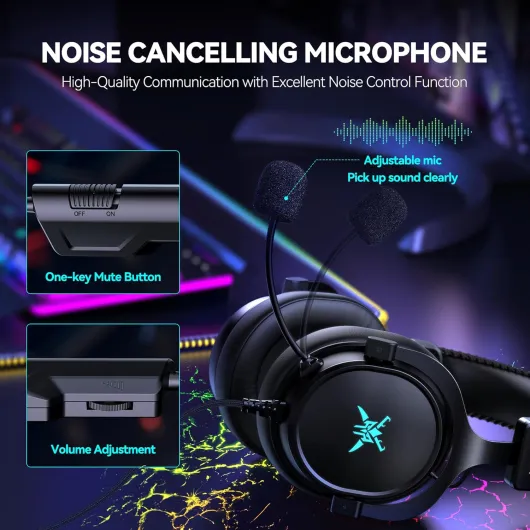
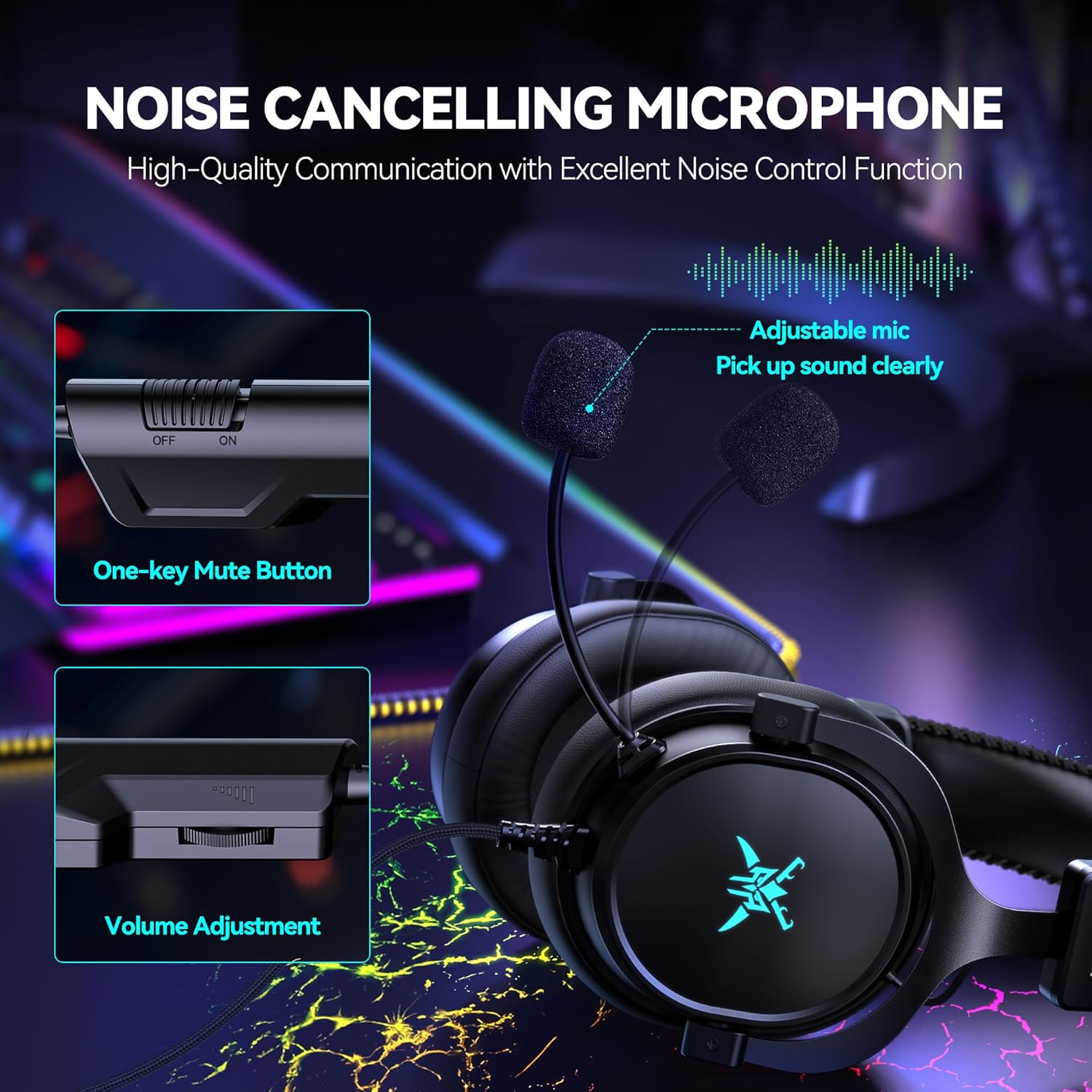
Microphone performance is frequently overlooked, yet a weak mic can ruin team communication in any competitive game. Look for headphones with detachable or flip to mute boom mics, because these usually outperform tiny integrated microphones in pure voice quality. When a manufacturer publishes frequency response graphs or mic test samples for its gaming headsets, that transparency is a strong sign that the brand treats audio and noise cancelling performance seriously.
Flagship anc gaming headsets and how they differ in real use
Among current contenders, the Razer BlackShark line has become a reference for the best noise canceling headphones for gaming on PC and console. These headphones combine strong passive isolation around the ear with tuned drivers that emphasise footsteps and directional cues without overwhelming bass. When you enable their active noise features, the headset reduces low frequency noise from fans and traffic, which helps you stay immersed in the game even in a noisy flat.
The SteelSeries Arctis family, especially the Arctis Nova and SteelSeries Arctis Pro Wireless models, focuses on comfort and consistent sound across platforms. Their ski goggle style headband spreads weight evenly, so the headsets feel lighter during long gaming sessions than many rival headphones with similar price and feature sets. In practice, Arctis Nova headsets offer balanced audio and reliable wireless gaming performance, while the Pro Wireless versions add dual battery systems that extend battery life almost indefinitely by letting you hot swap cells between matches.
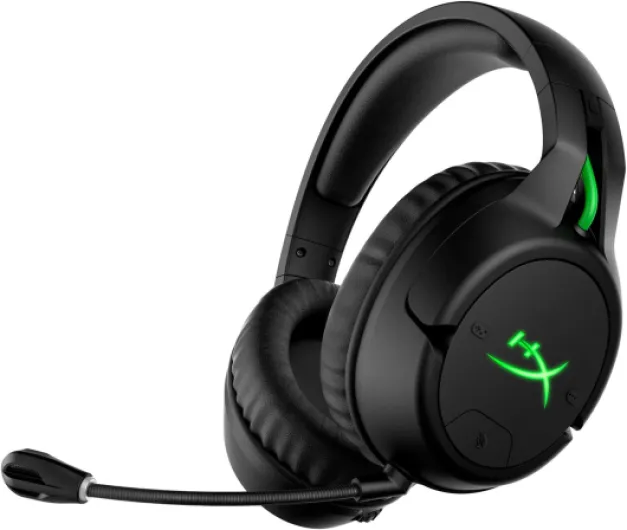
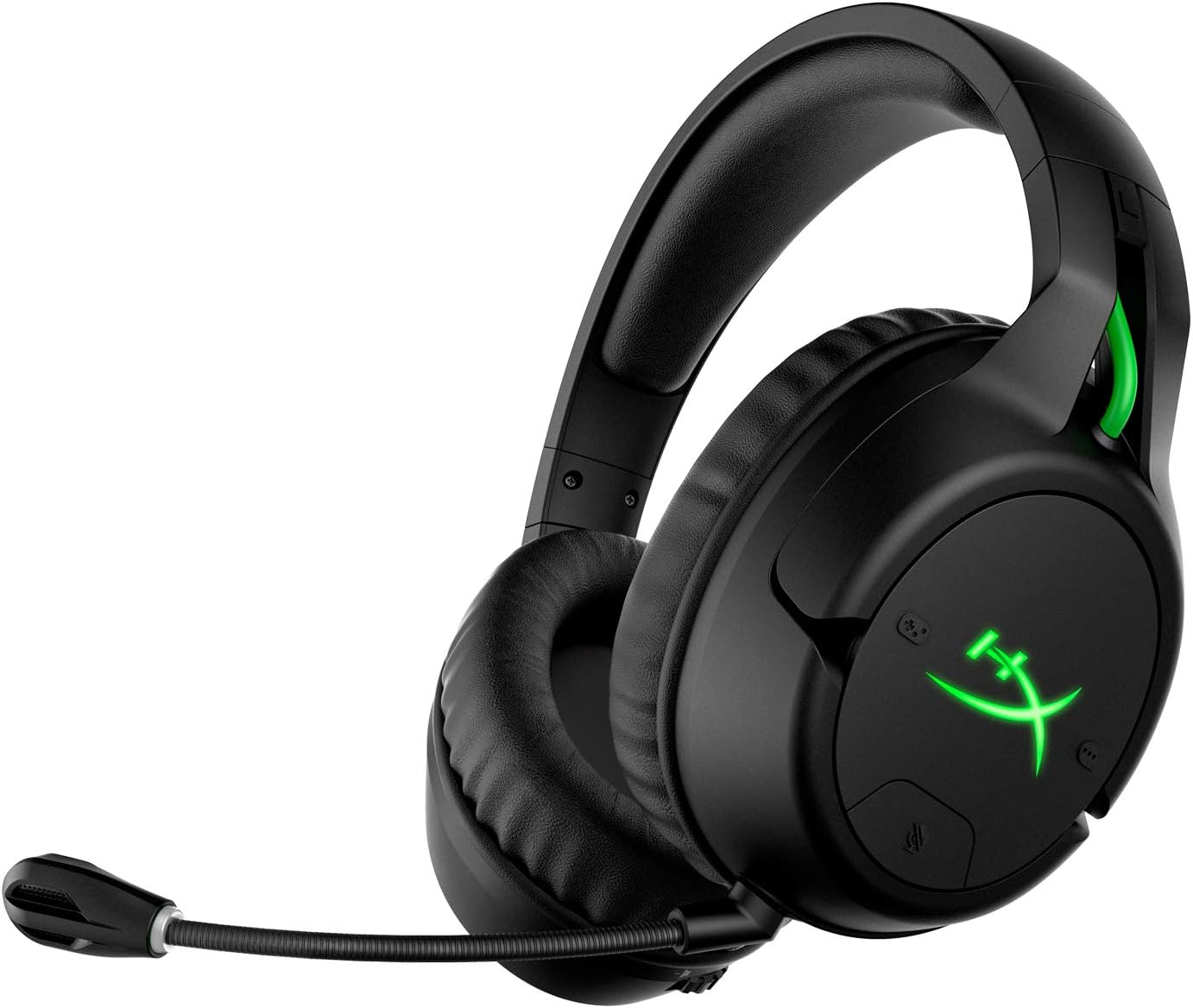
Console focused players often gravitate toward Turtle Beach and HyperX Cloud gaming headsets, which prioritise strong mic clarity and robust build quality. The HyperX Cloud series is known for plush ear cushions and a neutral sound signature, making it a safe choice if you want one gaming headset for both music and game audio. For readers comparing these options, the specialised guide on top noise canceling headphones for gaming offers a structured overview of how each brand handles noise cancelling and sound quality in everyday use.
Wireless versus wired gaming headsets for noise control
Choosing between wireless gaming headphones and wired gaming headsets is less about fashion and more about trade offs. Wireless models offer freedom of movement and cleaner desks, but they introduce concerns about latency, battery life, and bluetooth stability in crowded radio environments. Wired gaming headsets avoid these issues entirely, delivering consistent audio and mic performance as long as the cable and connectors remain in good condition.
Modern wireless gaming headsets often use dedicated 2,4 gigahertz dongles instead of standard bluetooth to achieve low latency suitable for competitive game play. This approach allows the headphones to maintain synchronised sound and video while still offering effective active noise control and high sound quality. Some pro wireless designs even support dual connectivity, letting you route game audio through the dongle while a second bluetooth link handles chat or calls from a phone.
If you mainly play at a desk and rarely move away from your PC or console, a wired gaming headset with strong passive noise isolation may offer the best price to performance ratio. You avoid paying for batteries and wireless chips, yet you still benefit from high quality drivers and comfortable ear pads. For players who split time between gaming, commuting, and office work, a flexible wireless headset with reliable noise cancelling becomes more attractive despite the higher price.
How to read product pages, reviews, and amazon listings critically
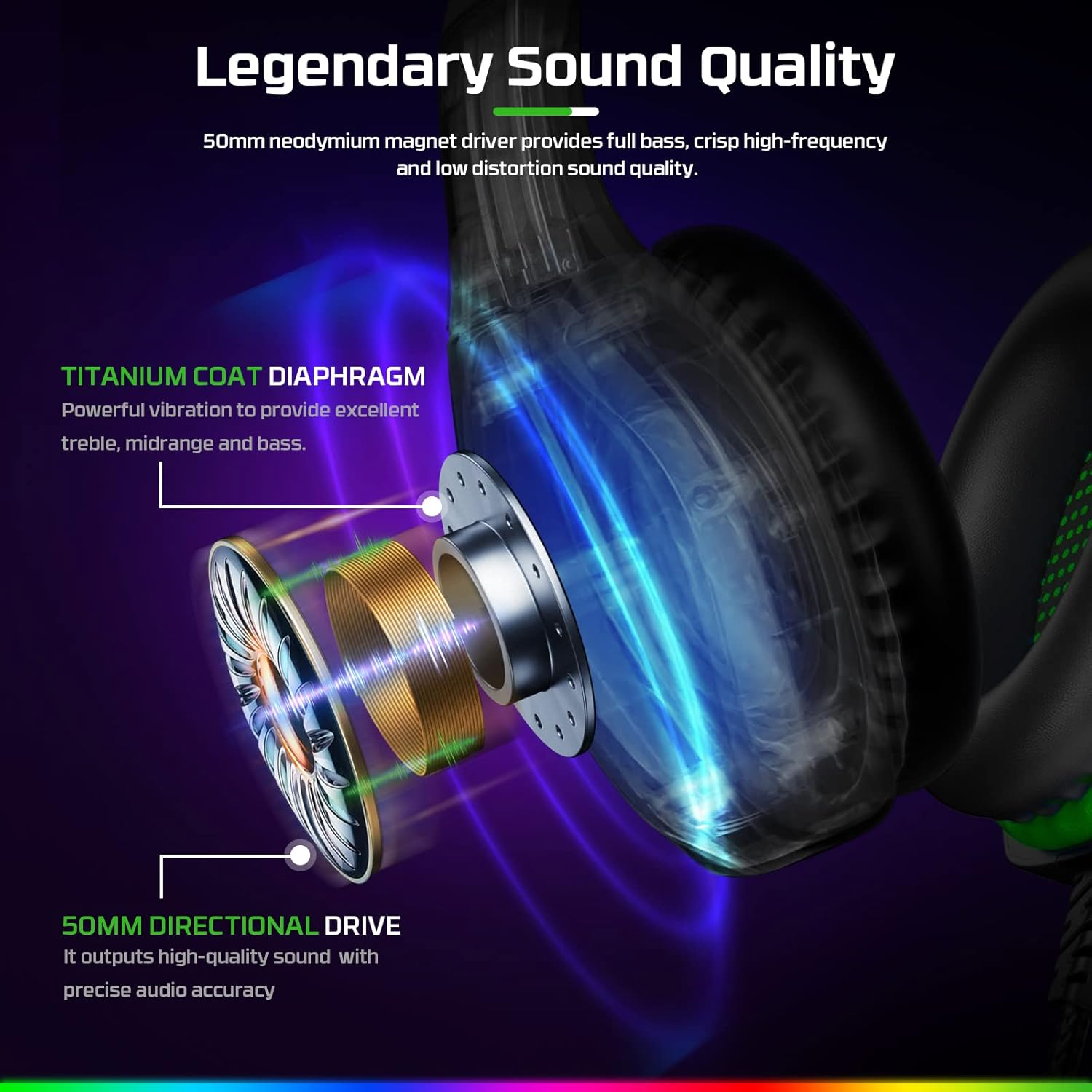
Product pages for gaming headsets often highlight flashy features while hiding the details that matter most for noise cancelling performance. When you browse headphones on Amazon or brand sites, look beyond marketing phrases like pro audio or studio sound and search for concrete information about drivers, frequency response, and active noise specifications. A serious listing will mention driver size, supported bluetooth codecs, and estimated battery life with anc enabled, not just vague claims about immersive sound.
User reviews can reveal how a gaming headset behaves after months of real use, especially regarding comfort, mic durability, and wireless stability. Pay attention to patterns in complaints, such as ear cushions peeling, headbands cracking, or noise cancelling creating pressure on the ear during long sessions. When a review best summary mentions both strengths and weaknesses, including specific game titles and platforms, it usually reflects more trustworthy testing than a short five star comment.
Price should be evaluated in context, not as a simple race to the bottom for the cheapest gaming headphones. A mid range anc gaming headset with reliable drivers, clear mic performance, and stable wireless gaming connectivity often delivers better long term value than a budget model that fails after a year. If you feel uncertain between over ear and in ear designs for mixed office and gaming use, this detailed comparison of over ear versus in ear noise canceling options can help you weigh isolation, comfort, and sound quality trade offs.
Practical checklist before buying the best noise canceling headphones for gaming
Before you commit to any gaming headset, test how it fits on your head and around your ear. A secure yet gentle clamp is essential, because even the best noise canceling system fails if the headphones leak noise through gaps in the pads. Try to wear the headset for at least twenty minutes, since pressure points and heat build up only become obvious after some time.
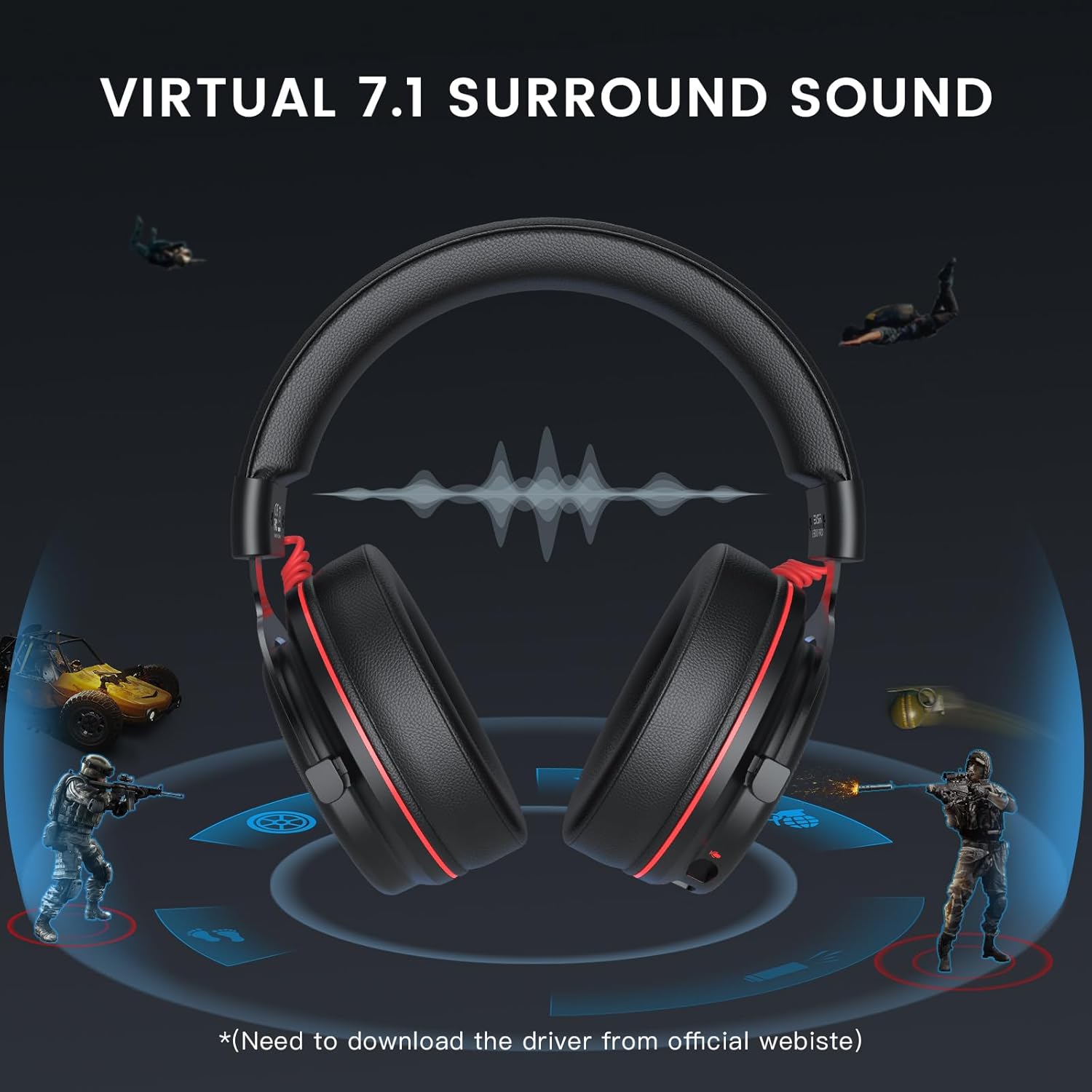
Next, evaluate sound quality using both games and familiar music tracks, not just one genre or source. In a competitive game, listen for how clearly you can locate footsteps, reloads, and environmental cues while the anc system is active, then switch to music to check tonal balance and detail. If the headphones offer software equalisation, experiment with small adjustments rather than extreme presets, because subtle tuning usually preserves audio integrity while adapting the sound to your preferences.
Finally, test the mic in real conditions, such as a voice chat with friends or a recording in your usual gaming room. Ask listeners whether your voice sounds natural, whether background noise is reduced, and whether wireless dropouts occur when you move around. A gaming headset that passes these simple tests, while offering acceptable price, battery life, and low latency performance, will serve you better than any model chosen solely on brand reputation or marketing claims.
Statistics and key figures about noise canceling gaming headsets
- Market research from Futuresource Consulting reported that gaming headsets accounted for roughly one third of all dedicated headphone sales by value, showing how strongly game focused audio has grown compared with general music listening.
- Surveys from major esports organisations indicate that more than 80 percent of professional players use closed back over ear headsets, because this design offers better passive noise isolation and more consistent sound positioning than open back models in noisy arenas.
- Battery life for modern wireless gaming headsets with active noise control typically ranges between 20 and 40 hours per charge, which is roughly double the endurance of many early wireless models released less than a decade ago.
- Latency measurements from independent audio labs often show that dedicated 2,4 gigahertz wireless dongles can reduce delay to under 40 milliseconds, while standard bluetooth connections may exceed 150 milliseconds and become noticeable during fast paced games.
- Consumer surveys from large retailers report that comfort, including weight and ear pad softness, ranks slightly above raw sound quality as the top reason for returning or keeping a gaming headset, underlining how crucial long session ergonomics are for players.