Over ear headphones versus wireless earbuds on the move
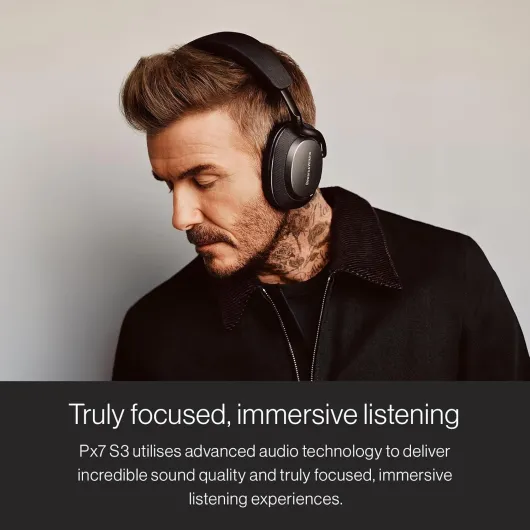
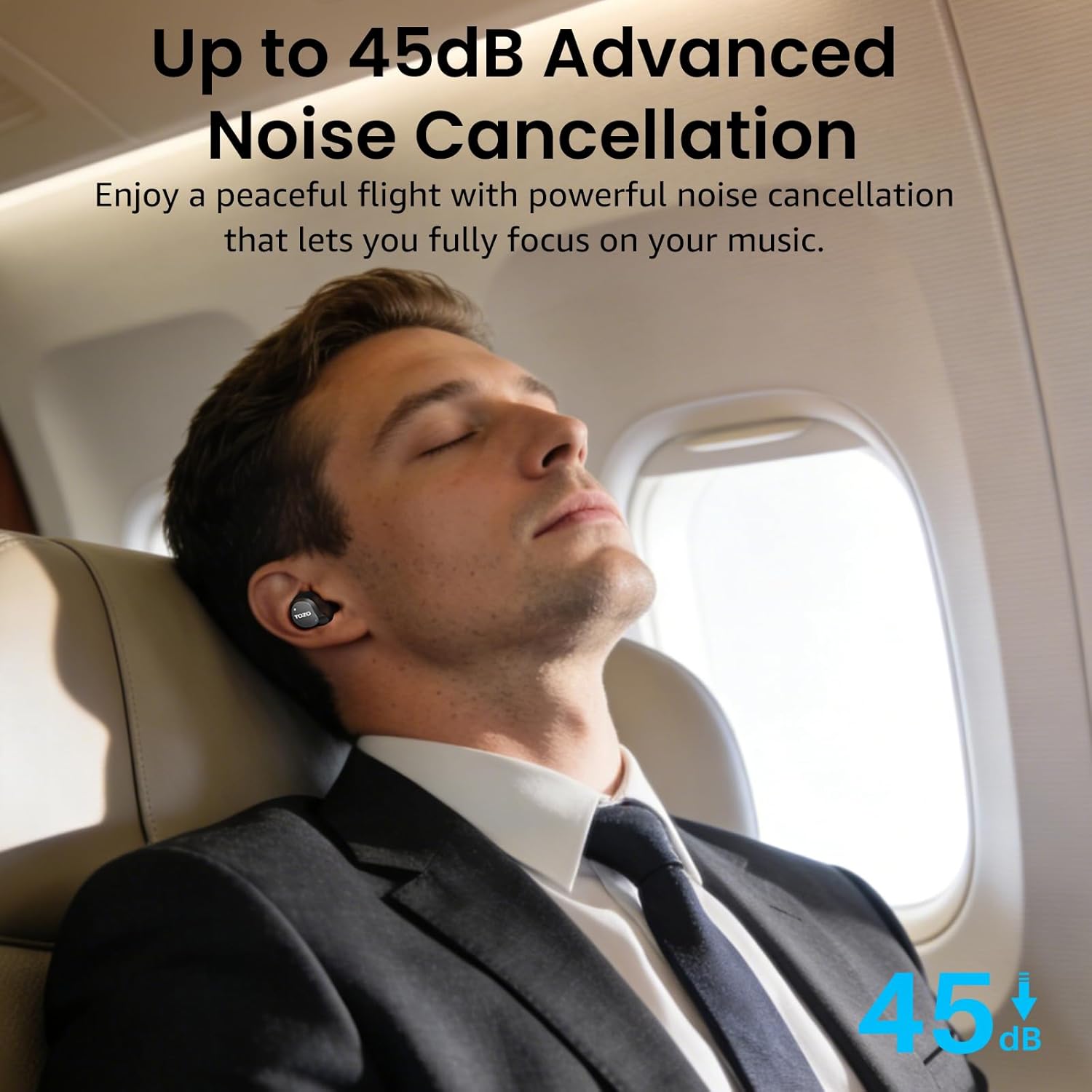
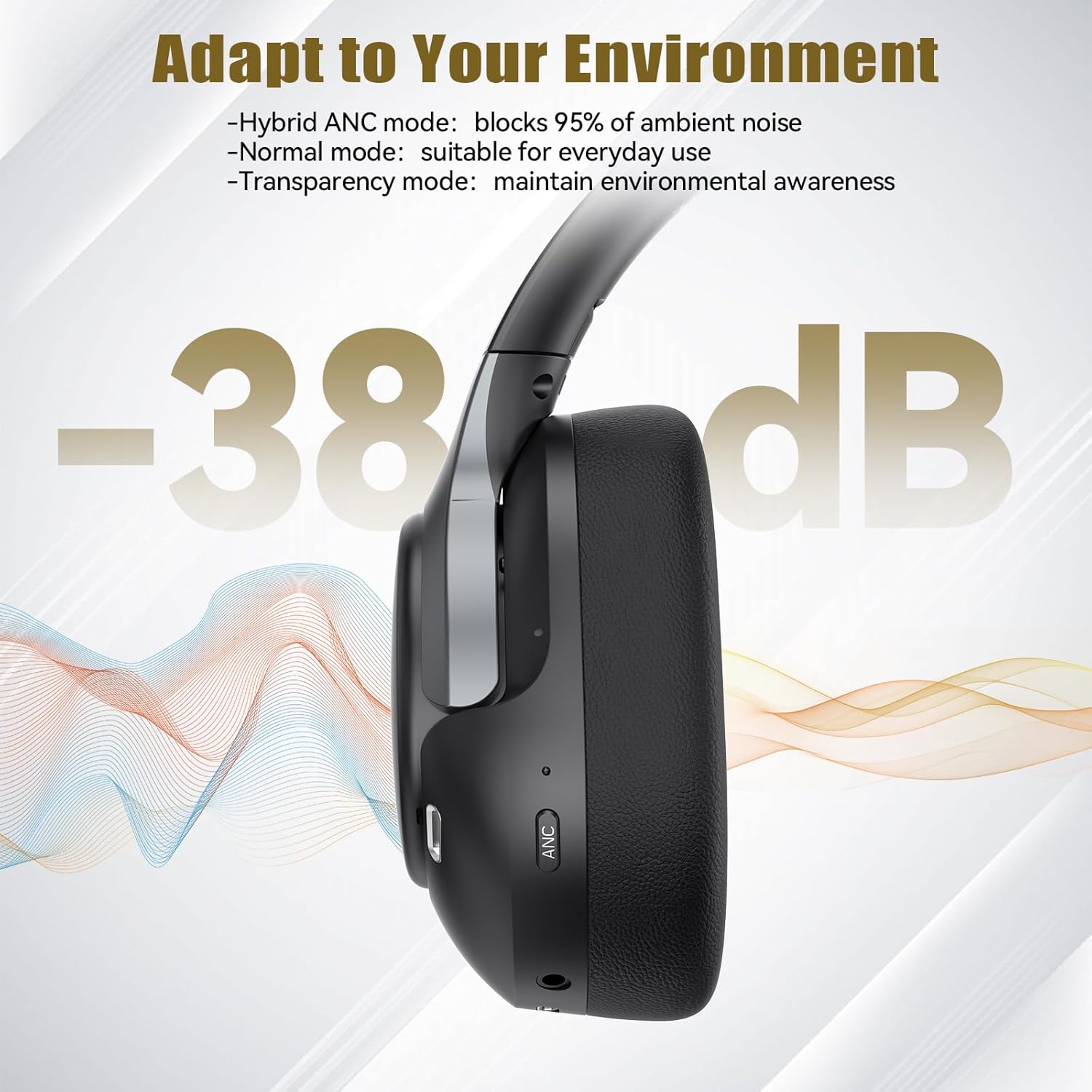
Many travelers hesitate between full size wireless headphones and compact wireless earbuds when searching for the best noise canceling headphones for travel. Over ear headphones usually deliver stronger noise cancellation because the ear cups create a seal around your ear, while ANC electronics handle the remaining noise from engines and air conditioning. True wireless earbuds sit directly in the ear canal, so they rely more on a tight fit and smaller microphones to manage active noise.
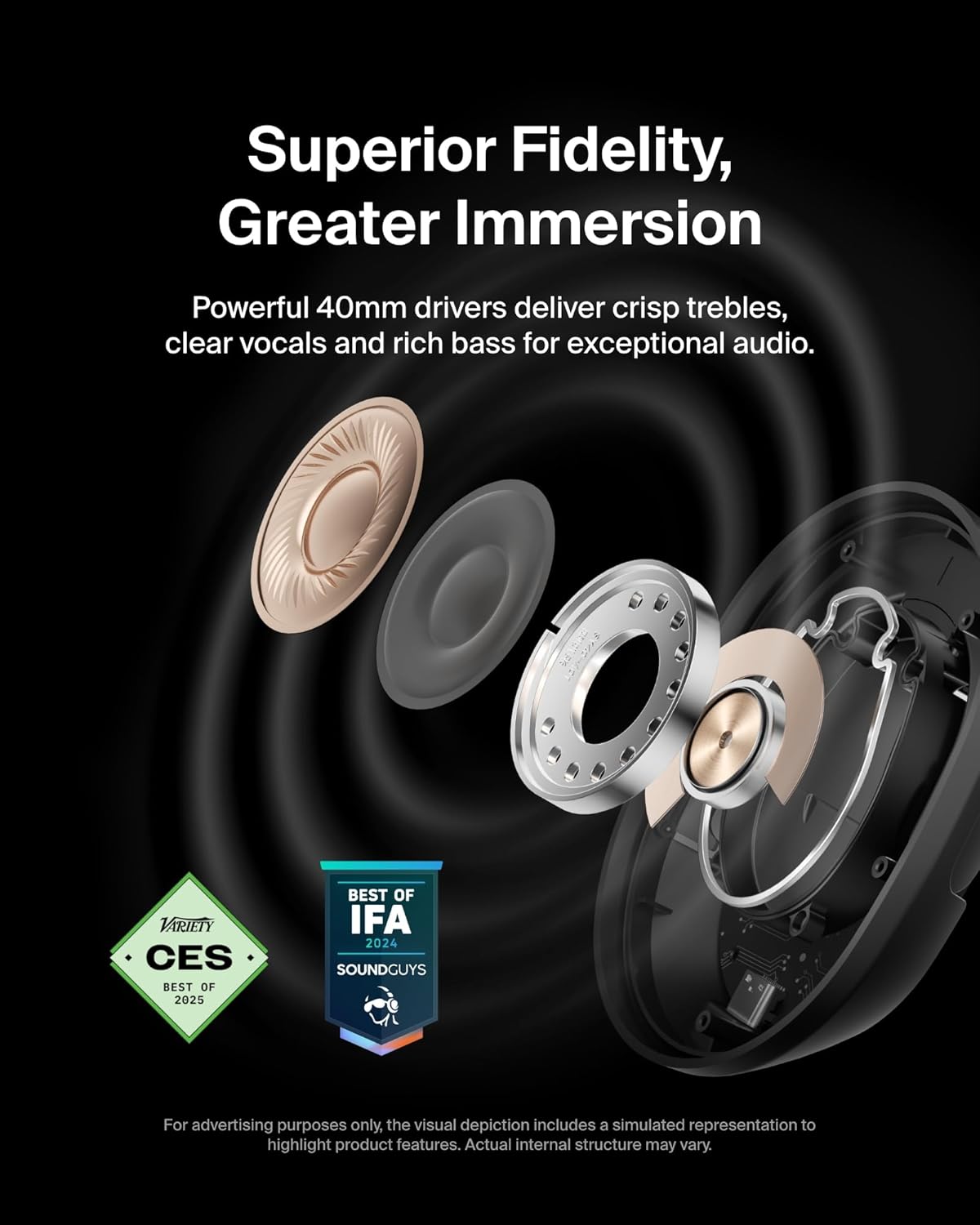
For long flights, over ear noise canceling headphones such as the Bose QuietComfort range or the Sony WH series often feel more stable and provide better sound quality. In independent tests, models like the Sony WH-1000XM5 and Bose QuietComfort Ultra Headphones typically reach 25 to 30 hours of playback with ANC enabled, while still delivering deep bass and clear mids. Their larger drivers move more air, which gives music fuller bass and clearer mids, and the bigger battery inside the headband extends battery life well beyond a typical pair of wireless earbuds. However, travelers who pack light may prefer true wireless designs like Apple AirPods Pro or compact Soundcore earbuds because they slip into a pocket and weigh far less than traditional ear headphones.
When comparing buying options, think about how you actually travel and where you listen most. If you work on a laptop during flights, over ear wireless headphones with strong ANC and a comfortable headband will probably feel like the best noise canceling choice. If you spend more time commuting in cities or walking between gates, small wireless earbuds with effective noise canceling and a transparency mode might be more practical, and you can explore detailed comparisons on this guide to top noise canceling models for travel.
Flagship models from Bose, Sony, Apple and others
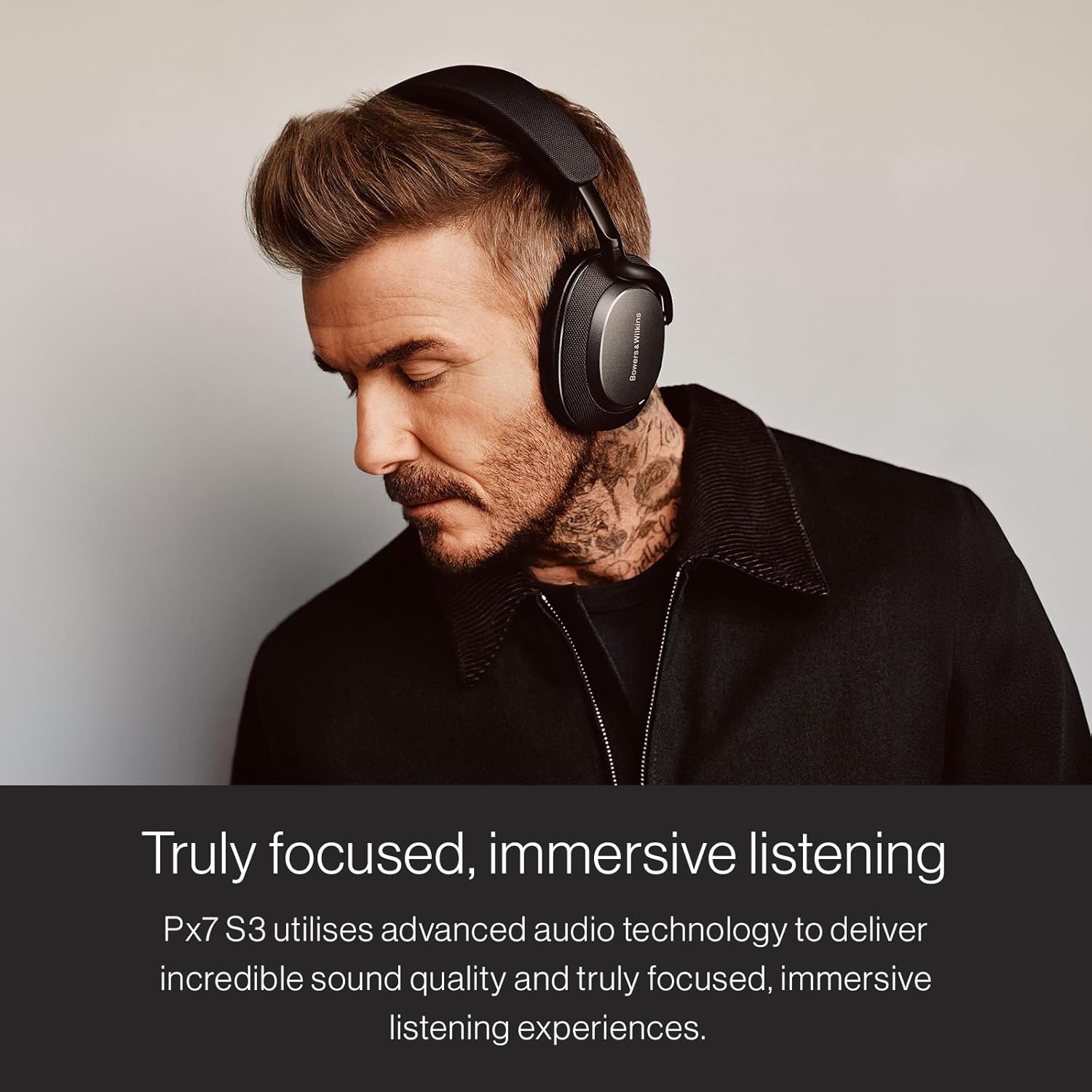
Among frequent flyers, Bose and Sony dominate conversations about the best noise canceling headphones for travel because their ANC performance sets the benchmark. The Bose QuietComfort line, including the latest QuietComfort Ultra models, focuses on comfort and consistent noise cancellation that works predictably in planes, trains and buses. Sony flagship headphones, such as the WH and WF series, lean toward customizable sound and advanced control over active noise levels through a companion app.
Travelers who prefer an Apple ecosystem often choose Apple AirPods Pro or other Apple AirPods models with ANC, which integrate seamlessly with iPhone and iPad devices. These true wireless earbuds offer strong noise canceling for their size, adaptive transparency and spatial audio features that enhance movie soundtracks during travel. For people who want alternatives, the JBL Tour series and Anker Soundcore headphones or earbuds provide competitive ANC, solid sound quality and more aggressive price points than some Bose QuietComfort or Sony Pro level models.
When you evaluate these noise canceling headphones, compare not only the strength of noise reduction but also the tuning of the audio profile. For instance, measurements from reviewers such as Rtings show that Sony WH-1000XM series headphones emphasize bass and offer extensive EQ control, while Bose QuietComfort and QuietComfort Ultra models aim for a more neutral sound that flatters many genres of music. Sustainability also matters for long term travelers, and you can learn how premium noise canceling headphones age over time in this analysis of the three year ANC headphone lifecycle and e waste challenges.
Battery life, charging and reliability on long trips
Battery life can make or break the best noise canceling headphones for travel, especially on multi segment journeys. Over ear wireless headphones often provide between 25 and 40 hours of playback with ANC enabled, while smaller wireless earbuds usually offer 5 to 8 hours per charge plus extra power from the case. If you fly long distances regularly, prioritize noise canceling headphones that maintain strong noise reduction even as the battery drains toward the end of the day.
Fast charging has become a critical feature for travel because delays and tight connections leave little time near power outlets. Many Sony, Bose and Anker Soundcore models now deliver several hours of listening from a quick 10 minute charge, which can rescue a long flight when you forgot to plug in overnight. In hands on tests with recent ANC models, a five minute top up at the gate typically restores enough battery for at least one to two hours of continuous playback with noise canceling enabled.
Reliability matters as much as raw battery numbers, because inconsistent wireless connections or failing ANC circuits can ruin your travel day. Look for wireless headphones and wireless earbuds with stable Bluetooth chipsets, multipoint pairing and robust build quality around the hinges and ear cups. When you compare buying options on Amazon or in specialist audio stores, read long term user feedback about battery degradation, ANC stability and comfort, not just first impressions from the first week of use.
Price, value and where to buy your travel headphones
Price differences between premium and mid range models can be significant, so value assessment is essential when choosing the best noise canceling headphones for travel. Flagship Bose QuietComfort Ultra and top Sony Pro level headphones often cost more, but they deliver class leading noise cancellation, refined sound quality and better materials that withstand frequent travel. Mid tier options from JBL Tour, Anker Soundcore and other brands on Amazon or local retailers can still provide excellent ANC and wireless performance at a lower price point.
When you compare noise canceling headphones, consider the total cost of ownership rather than only the initial price tag. A slightly higher price for durable ear headphones with replaceable ear pads and reliable battery life may save money over time compared with cheaper models that fail after a few intense travel seasons. Check whether the manufacturer offers spare parts, clear warranty terms and software updates that maintain ANC performance and wireless stability for several years.
Buying options now range from direct brand websites to large platforms such as Amazon and specialist audio dealers in major cities. Online retailers often run promotions on wireless headphones and true wireless earbuds, but in person testing lets you judge comfort, fit and sound before committing. For the best noise canceling headphones for travel, combine professional reviews, user feedback and your own listening tests to balance price, performance and long term reliability.
How to match headphones to your travel style
The best noise canceling headphones for travel are not the same for every person, because travel habits and ears differ widely. Business travelers who spend many hours on aircraft often favor over ear Bose QuietComfort or Sony ANC headphones for their comfort, stable noise cancellation and consistent sound quality. Casual travelers or commuters may lean toward compact wireless earbuds such as Apple AirPods Pro, JBL Tour or Anker Soundcore models that slip easily into a jacket pocket.
If you are sensitive around the ear, test both on ear and over ear designs to see which shape distributes pressure more comfortably. Some people experience slight pressure from strong active noise systems, so trying different ANC levels and ear tip sizes on true wireless earbuds can reduce that sensation. For glasses wearers, softer ear cushions on over ear wireless headphones help avoid hotspots during long travel days, especially when you rest your head against a seat.
Think about how you use music and audio during travel, because that shapes your priorities. If you mainly listen to spoken word content, almost any modern pair of noise canceling headphones with decent sound quality will work, and you can focus on comfort and battery life. If you care deeply about high resolution audio and the best noise isolation, prioritize premium ANC models from Bose, Sony or similar brands that support advanced Bluetooth codecs and offer fine grained control over noise cancellation strength.
Key figures about noise canceling headphones for travel
- Market research from Futuresource Consulting indicates that active noise canceling headphones account for more than one third of all wireless headphone revenue worldwide, reflecting strong demand from frequent travelers and commuters.
- Independent lab measurements, including tests by Rtings on models such as the Sony WH-1000XM5 and Bose QuietComfort Ultra, show that top tier ANC headphones can reduce low frequency aircraft cabin noise by roughly 20 to 30 decibels, which subjectively feels like cutting the perceived loudness of the engine drone by more than half.
- Battery benchmarks on popular over ear ANC models report typical battery life between 25 and 40 hours with noise cancellation enabled, while true wireless earbuds usually deliver 5 to 8 hours per charge plus 15 to 24 additional hours from the charging case.
- Consumer surveys from organizations such as J.D. Power consistently rank comfort, sound quality and effective noise cancellation as the three most important purchase factors for travelers choosing new wireless headphones.
- Environmental studies on electronic waste highlight that many ANC headphones are discarded after roughly three years of use, mainly due to non replaceable batteries and worn ear pads, which increases pressure on manufacturers to design more repairable models.