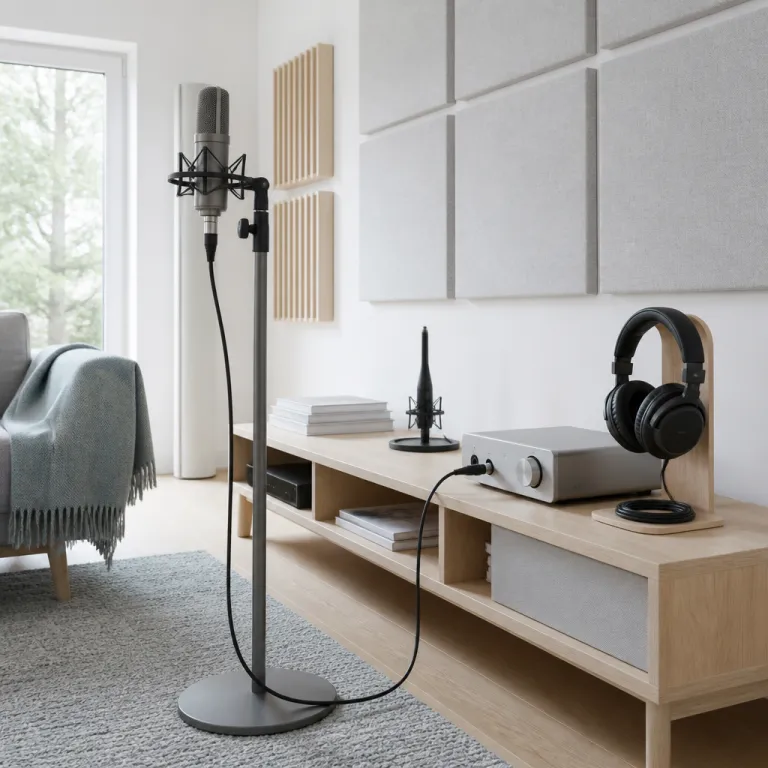

How a wired microphone complements noise canceling headphones
A wired microphone remains essential when you want stable, predictable audio quality. In a noise canceling headphone setup, the wired connection avoids extra latency in the microphone system and keeps the signal path simple. This matters when you need your mic to cut through background noise without artifacts.
Active noise canceling headphones already run a complex audio engine that analyzes ambient sound and generates an opposite signal, so adding a wired microphone keeps control of gain, impedance, and noise floor. Typical USB or Bluetooth headset mics add 80–150 ms of round trip delay, while a wired XLR microphone into an interface often stays under 10 ms, which keeps speech in sync with video. When you rely only on wireless microphones or built in headset mics, the compression and transmission can blur consonants and reduce intelligibility in meetings or vocal recording. A dedicated wired microphone compatible with your interface or recorder lets you separate monitoring from capture, which is crucial when you must judge your own voice accurately.
Many people pair closed back noise canceling headphones with a cardioid wired microphone placed close to the mouth. This cardioid pattern rejects sound from the sides and rear, while the headphones block room noise, creating a compact but professional vocal system. If you compare microphones wired directly to an interface with Bluetooth mics, you usually hear a clear difference in transient detail, especially on dynamic microphone models designed for speech.
Brands such as Shure and Audio Technica offer wired microphones tuned for speech that integrate well with studio style noise canceling headphones. A Shure dynamic microphone with a physical microphone switch gives you tactile control when you need to mute quickly during a call. Audio Technica wired microphones often provide a slightly brighter audio profile, which can help your vocal microphone cut through dense background sound from open plan offices.
When you shop, do not focus only on the headline price filters. Look at the total value of the microphone system, including build quality, included cables, and the length and clarity of the warranty terms. A fair sale price on a wired microphone means little if the cable fails quickly and customer service is slow or unresponsive when you request support.
Retail sites often tempt you with wishlist add buttons and add compare tools, which can help you track several microphones wired for different uses. Use these features to view how each mic professional model differs in polar pattern, sensitivity, and impedance rather than only comparing sale price numbers. When you add wishlist items, group them by use case, such as vocal microphones for podcasting, dynamic microphones for streaming, and compact microphones wired for travel with noise canceling headphones.
Choosing between dynamic and condenser wired microphones for noisy spaces
In a noisy environment, a dynamic wired microphone usually gives you more control than a sensitive condenser. Dynamic microphones wired directly to an interface or portable recorder handle high sound pressure levels and reject off axis noise better, which suits open offices and shared studios. When you wear noise canceling headphones, this combination lets you hear yourself clearly while the mic ignores much of the surrounding chatter.
Cardioid dynamic microphone designs from Shure or Audio Technica are common choices for vocal microphone duties in podcast booths and streaming setups. These microphones wired with balanced XLR cables resist interference from nearby power supplies and wireless systems, which often coexist in modern desks filled with chargers and Wi Fi routers. A wired microphone with a clear microphone switch also lets you mute silently without fumbling through software menus or touching your headphone controls.
Some people still prefer condenser wired microphones for their detailed audio capture, especially for singing or acoustic instruments. If you work in a relatively quiet room and use noise canceling headphones mainly for monitoring, a condenser microphone compatible with your interface can sound more open and airy. In that case, pay close attention to the microphone system noise specifications and ensure your preamp offers enough clean gain without adding hiss.
When comparing models, do not rely only on simple price sorting in online shops. A price high list might highlight flagship microphones that exceed your needs, while a price low filter can hide excellent midrange options behind budget models. Instead, view the technical sheets, listen to real recordings, and check whether each wired microphone is truly microphone compatible with your existing audio system.
Portable DAC and headphone amplifiers can also influence how you monitor your wired microphones through noise canceling headphones. Devices such as a high resolution Bluetooth receiver and headphone amp can drive demanding headphones while you keep the microphone wired to a separate interface, which avoids feedback loops and echo. For an example of such a portable DAC and Bluetooth receiver used with serious headphones, you can read a detailed review of a compact headphone amp and Bluetooth receiver.
When you evaluate sale price offers, remember that a robust wired microphone often outlasts several generations of wireless systems. The absence of batteries, charging ports, and complex radio components means fewer failure points and simpler warranty claims if something breaks. Over time, the total cost of ownership for wired microphones can be lower than for wireless microphones, even if the initial price appears similar.
Customer service quality from the manufacturer and retailer should influence your decision as much as the headline sale price. Look for clear warranty coverage on the capsule, the microphone switch, and the supplied cable, because these are the parts most exposed to wear. A responsive support team that can quickly view your case history and arrange repairs or replacements adds real value to any microphone system you buy.
Audio cables, adapters, and wired microphones for noise canceling headsets
Noise canceling headphones often use detachable audio cables, which opens the door to adding a dedicated wired microphone. Many headsets accept a cable with an inline mic, but a more flexible approach is to use a separate vocal microphone on a stand while the headphones handle monitoring. This separation keeps the audio path for your mic professional and reduces handling noise from touching the headphone cups.
When you select audio cables and adapters, check that they match the impedance and connector type of both your wired microphone and your headphone amplifier. Balanced XLR cables for microphones wired to an interface differ from unbalanced mini jack cables used for consumer headphones, and mixing them incorrectly can introduce hum or level mismatches. A well designed microphone compatible adapter can route your mic signal to a recorder while sending headphone audio back to your noise canceling headset without crosstalk.
Some noise canceling headphones allow you to bypass their internal electronics and use a passive wired mode. In that configuration, you can connect them to a dedicated headphone amplifier while your wired microphone feeds a separate audio interface, which gives you studio style control in a compact system. If you need guidance on selecting replacement wires that work reliably with headsets and microphones, consult a specialized guide on choosing the right headset microphone replacement wires.
Adapters can also help you integrate wireless systems with wired microphones when necessary. For example, a belt pack transmitter can accept a dynamic wired microphone through an adapter, turning it into a temporary wireless mic for presentations while you still monitor through noise canceling headphones. This hybrid approach lets you enjoy the reliability of wired microphones most of the time while keeping the option of wireless mobility for specific events.
When browsing online shops, you will often see options to add wishlist items or use an add compare function for cables and adapters. Use these tools to track which accessories support balanced connections, locking connectors, and strain relief, because these details affect long term reliability. A cheap adapter with a tempting price low tag can fail at the worst moment, while a slightly higher price high model with metal housing and proper shielding can save you from hum and dropouts.
Always read the fine print on warranty coverage for cables and adapters, since some brands treat them as consumables with limited protection. Shure and Audio Technica, for instance, usually specify different warranty durations for microphones and accessories, so you should view those terms carefully before purchase. Good customer service will often replace a faulty cable quickly, but only if the warranty clearly covers that part of the microphone system.
Evaluating price, value, and warranty for wired microphones
Price alone rarely tells the full story when you choose a wired microphone for use with noise canceling headphones. A very low price can indicate compromises in capsule quality, shielding, or the robustness of the microphone switch, all of which affect reliability in daily use. On the other hand, a high price does not automatically guarantee better audio if the microphone system is not matched to your voice and environment.
When you compare options, use more than a simple price high or price low sorting filter. Look at how each wired microphone handles plosives, sibilance, and room noise when paired with your specific headphones and interface, because these factors shape the listening experience more than raw specifications. Many retailers allow you to add compare several microphones wired for similar purposes, which helps you weigh subtle differences in frequency response and handling noise.
Warranty terms should be a central part of your evaluation, especially if you rely on the microphone for professional work. A multi year warranty on the capsule and electronics shows that the manufacturer trusts its own design and components, which is reassuring when you use the mic daily with noise canceling headphones in demanding environments. Short or vague warranty coverage can leave you exposed to unexpected repair costs if the microphone fails under normal use.
Customer service reputation matters as much as the written warranty, because you need responsive support when something goes wrong. Before you add wishlist entries or finalize a sale, read real user reports about how quickly the brand handled repairs, replacements, or technical questions. A company that offers clear communication, fast turnaround, and transparent policies adds real value to every wired microphone it sells.
Consider the total cost of ownership over several years rather than only the initial sale price. A robust dynamic microphone with a slightly higher price can outlast multiple cheaper microphones wired with fragile connectors and thin cables, especially when transported frequently. When you factor in downtime, shipping for repairs, and potential lost work, the apparently high price often becomes a sensible long term investment.
Noise canceling headphone users should also budget for quality audio cables, stands, and pop filters, because these accessories protect the microphone and stabilize its performance. A stable stand and a good pop filter help your vocal microphone deliver consistent results, which reduces the need for heavy processing later. When you view the full system cost, including accessories and support, you can make a more informed decision that balances high and low price elements intelligently.
Integrating wired microphones into complex audio systems
Modern audio setups often combine noise canceling headphones, wired microphones, and multiple digital devices. To avoid conflicts, you need a clear signal flow where each microphone system has a defined role and connection path. This planning prevents echo, feedback, and level mismatches that can ruin recordings or live calls.
Start by mapping how your mic professional connects to your interface, mixer, or USB adapter, then decide how your noise canceling headphones will receive audio. Many creators route their vocal microphone into an audio interface, send the processed signal to a computer, and then monitor the mix through headphones connected to the same interface, which keeps latency low and control centralized. When you introduce wireless systems, such as Bluetooth headphone connections, you must check that the added latency does not disrupt your timing when speaking or performing.
Some users prefer to keep their headphones wired while leaving only the microphone wireless, but the opposite approach often works better for reliability. A wired microphone feeding a stable interface or mixer gives you consistent audio, while noise canceling headphones can switch between wired and wireless modes depending on the task. This configuration reduces the number of wireless links in the chain, which lowers the risk of dropouts and interference.
High quality interfaces from established brands usually provide better preamps and converters, which help your wired microphone sound cleaner and more detailed. When you pair such an interface with serious in ear monitors or over ear noise canceling headphones, you can hear subtle differences between microphones wired with different capsules and designs. For a deeper look at how refined earphones reveal these nuances, you can read an in depth analysis of precise in ear monitors for serious listeners.
In multi mic setups, use clear labeling and color coded cables so you can quickly view which wired microphone feeds which channel. This practice reduces mistakes when you switch between vocal microphones, instrument mics, and room microphones wired for ambience, especially during live streams or recordings with guests. A well organized system also makes troubleshooting easier when you encounter hum, distortion, or unexpected noise.
Remember that every adapter, splitter, or extension you add can affect signal integrity, particularly with long cable runs. Keep cable lengths reasonable, use balanced connections where possible, and avoid daisy chaining too many adapters between your wired microphone and the interface. These habits help maintain a high signal to noise ratio, which is vital when you rely on noise canceling headphones to reveal subtle issues before they reach your audience.
Practical buying checklist for a wired microphone with noise canceling headphones
When you are ready to buy, start with a clear list of needs for your wired microphone. Decide whether your primary use is vocal recording, conferencing, streaming, or instrument capture, because each scenario favors different microphone characteristics. Matching the mic to your real use case matters more than chasing the highest specifications on paper.
Next, check compatibility between the microphone and your existing audio system, including interfaces, mixers, and noise canceling headphones. Confirm that the microphone output type, usually XLR for professional models, matches the inputs on your gear, or that you have a reliable adapter that keeps the signal balanced. A microphone compatible with your current equipment saves you from unexpected extra purchases and simplifies setup.
Evaluate the polar pattern, with cardioid being the most common choice for vocal microphone duties in noisy spaces. Cardioid microphones wired close to the mouth reject much of the room noise that your noise canceling headphones are already trying to block, which creates a focused and intelligible sound. If you work in a very controlled studio, you might consider other patterns, but cardioid remains the safest default for most people.
Look closely at build quality, including the housing, grille, and microphone switch, because these parts endure daily handling. A solid metal body and a firm, quiet switch indicate that the microphone can survive regular use in home studios, offices, and travel setups with noise canceling headphones. Cheap plastics and loose switches often lead to crackling noises and early failures that no short warranty can fully offset.
Finally, use retailer tools such as add wishlist and add compare thoughtfully rather than impulsively. Add wishlist entries for microphones wired for different roles, then revisit them after reading detailed reviews and listening to sample recordings that match your intended use. This deliberate approach helps you resist flash sale pressure and focus on long term satisfaction instead of chasing every temporary sale price.
Once you narrow your choices, contact customer service with any remaining technical questions about the microphone system, such as maximum cable length, recommended accessories, or integration with specific noise canceling headphones. The clarity and speed of their answers provide a real world test of how they will handle future support or warranty claims. Choosing a wired microphone from a brand that treats you well before the sale usually means you will be in good hands if problems arise later.
Key figures and market statistics for wired microphones and noise canceling audio
- According to Futuresource Consulting, global shipments of consumer and professional microphones exceeded 30 million units in recent years, reflecting strong demand for streaming, conferencing, and content creation.[1]
- Industry reports from Grand View Research estimate that the professional microphone market is growing at a compound annual rate above 7 %, driven by podcasting, live streaming, and remote work.[2]
- Noise canceling headphones have reached tens of millions of units sold annually worldwide, with adoption boosted by remote work and travel, which increases the need for compatible wired microphones.[3]
- Surveys from major retailers indicate that dynamic microphones account for more than half of vocal microphone sales for home studios, mainly because they handle untreated rooms better than condensers.[4]
- Warranty claim data shared by several pro audio brands suggest that cable and connector issues represent a significant portion of microphone related failures, highlighting the importance of quality audio cables and strain relief.[5]
[1] Futuresource Consulting, global microphone market overview. [2] Grand View Research, professional microphone market forecast. [3] Aggregated figures from major headphone manufacturers and analyst briefings. [4] Internal category reports from large online audio retailers. [5] Summary statistics published in manufacturer service and warranty bulletins.
FAQ about wired microphones and noise canceling headphones
Is a wired microphone better than a wireless mic for calls with noise canceling headphones ?
A wired microphone usually offers lower latency, more stable audio, and fewer dropouts than a wireless mic, which makes it more reliable for calls and conferences. When paired with noise canceling headphones, the wired connection ensures that your voice reaches the computer or interface without extra compression or interference. Wireless systems are convenient for movement, but for desk based work, a wired microphone is generally the safer choice.
Which polar pattern works best with noise canceling headphones in a noisy room ?
A cardioid polar pattern is typically the best match for noisy environments when you use noise canceling headphones. Cardioid microphones focus on sound from the front and reduce pickup from the sides and rear, which helps isolate your voice from background chatter. This focused capture complements the headphones, which are already reducing ambient noise reaching your ears.
Can I use a studio XLR wired microphone directly with my laptop ?
Most studio XLR wired microphones cannot connect directly to a laptop without an audio interface or USB adapter. These microphones require proper preamplification and, in the case of condensers, sometimes phantom power, which standard laptop jacks do not provide. A compact USB interface solves this by converting the XLR signal to digital audio while offering a headphone output for your noise canceling headphones.
Do noise canceling headphones affect how I should EQ my microphone ?
Noise canceling headphones can slightly alter your perception of low and high frequencies, so you should check your microphone EQ on neutral speakers or different headphones when possible. Use your noise canceling headphones for detailed monitoring, but occasionally reference your recordings on other systems to avoid overcompensating for the headphone tuning. This habit helps ensure that your vocal microphone sounds balanced for listeners using a wide range of devices.
How important is warranty coverage for a wired microphone used daily ?
Warranty coverage is very important if you use a wired microphone every day for work or content creation. Daily use increases wear on the capsule, connectors, and microphone switch, so a multi year warranty and responsive customer service reduce the risk of unexpected costs. Always read the warranty terms carefully and keep proof of purchase, because this documentation speeds up any future claims.