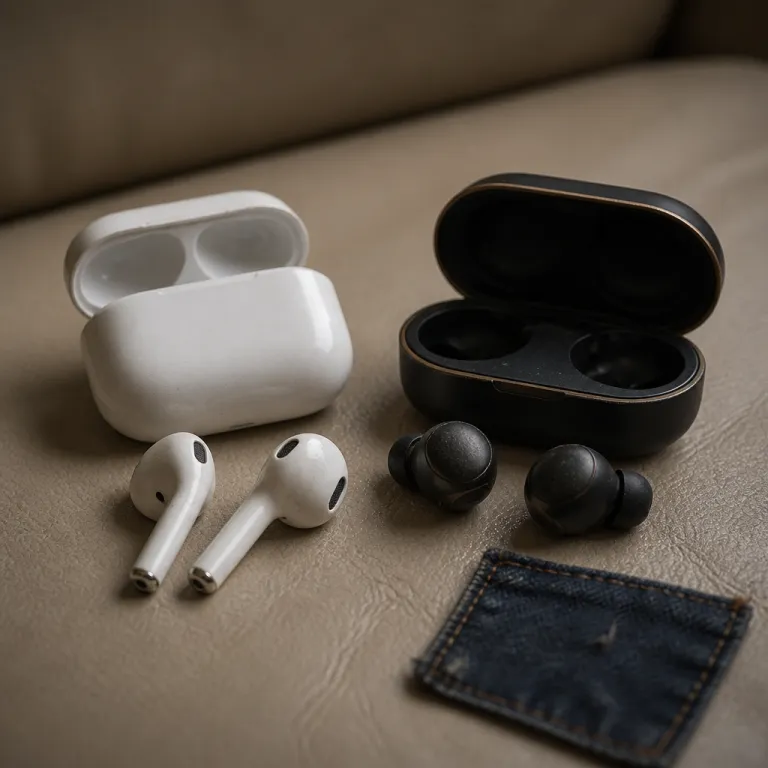
AirPods Pro 3 vs Sony WF-1000XM6 on the commute: what really matters
The real story in the airpods pro 3 vs sony wf-1000xm6 debate is not a lab graph, but how each pair handles a packed subway at 8 a.m. When you compare these pro earbuds as daily tools, the sony earbuds and the latest apple airpods feel like two different answers to the same commuter problem. One leans on ecosystem magic, while the other leans on raw sound quality and flexible noise cancellation.
On an iPhone, the airpods pro 3 slot into the apple ecosystem so cleanly that pairing feels invisible. You flip open the case, a card slides up on screen, and the buds are ready before the train doors close, which makes these wireless earbuds feel more like an extension of your phone than a separate device. With sony buds such as the sony WF-1000XM6, pairing is still quick, but the experience is more traditional and slightly less seamless on iOS.
For Android commuters, the airpods story changes. Apple airpods still connect reliably, but you lose spatial audio personalization, automatic device switching, and some advanced transparency mode tricks that make the pro model special on an iPhone. In that world, the sony WF-1000XM6 and other sony buds gain ground, because LDAC support and the broader feature set feel better tuned to Android phones.
Price always enters the conversation once you compare airpods and sony earbuds for real world commuting. The sony WF-1000XM6 often sells close to its list price, while airpods pro 3 usually track apple pricing with only modest discounts, so neither pair is exactly cheap. Over six months in your pocket, though, the value depends less on the initial price and more on whether the buds actually stay in your ears and keep the city noise under control.
From a design perspective, the airpods pro 3 keep the familiar stem shape that many commuters now recognize instantly. That stem gives you a clear pinch area for controls and helps the buds feel easy to grab with gloves, while the sony earbuds use a rounded shell that tucks deeper into the ear. Both designs aim for a secure fit, but the sony WF-1000XM6 body is chunkier, which some ears love and others reject after a long ride.
After half a year of daily use, the cases tell their own story. The airpods pro case is slim, pocket friendly, and slides into a jeans coin pocket without a fight, while the sony case is larger but still manageable in a bag or coat. If you carry keys, a wallet, and two phones, that extra bulk from the sony buds case can be the small detail that nudges you toward apple wins in terms of portability.
ANC depth and city noise: which pair actually quiets your commute
Active noise cancellation, often shortened to ANC, is the headline feature in any airpods pro 3 vs sony wf-1000xm6 comparison. On a subway or commuter rail, the low rumble from the tracks and the bus like vibration are exactly the frequencies that good noise canceling should crush. Both pairs use a mix of microphones and processing to cancel noise, but they do it with different strengths and weaknesses.
The sony WF-1000XM6 leans hard into deep low frequency noise cancelling. On a long train ride, the sony earbuds carve out more of the bass heavy roar from the carriage, so the sound of the wheels and HVAC fades into a softer background, which makes podcasts and softer music easier to hear at lower volumes. That extra low end ANC depth is where many listeners feel that sony wins, especially if their commute involves older, louder trains.
Apple airpods pro 3 push for a more balanced approach to noise cancellation. They do not always erase as much low rumble as the sony buds, but they handle mid range noise from voices and station announcements in a more natural way, so the overall sound feels less pressurized. For some ears, that gentler ANC tuning feels better over an hour, because the brain does not fight the sensation of a vacuum around the head.
On buses and city streets, the difference narrows. Both pro earbuds cut engine noise and traffic hum enough that you can listen at safer volumes, while still hearing key cues when you switch into transparency mode. The sony WF-1000XM6 sometimes lets a bit more high frequency hiss through, but its strong low frequency control keeps the ride calmer than many cheaper wireless earbuds.
In a crowded open plan office, the airpods pro 3 have a subtle advantage for some people. Their ANC does a solid job with air conditioning noise and keyboard chatter, while the transparency and adaptive modes let you hear a colleague without ripping a bud out, which keeps the workflow smooth. Sony earbuds can match the raw noise cancellation, yet their scene based listening modes require a bit more manual tuning before they feel invisible.
If you care about measured performance, both models sit near the top of current ANC earbuds. The sony WF-1000XM6 still edges ahead for pure low frequency suppression, while the airpods pro 3 feel more consistent as you move between subway, street, and office, so the experience changes less from one environment to another. For a deeper dive into how different ANC designs behave across headphones and earbuds, you can look at this guide to top Bluetooth noise canceling models and compare their approaches to low and mid frequency control.
Transparency, awareness, and safety: hearing the city when it matters
Noise cancellation is only half the story for a commuter weaving through traffic and crowded platforms. The other half is how quickly your earbuds offer a clear transparency mode when you need to hear a conductor, a barista, or a cyclist behind you. In the airpods pro 3 vs sony wf-1000xm6 matchup, this is where apple wins more often for people who live inside the iPhone ecosystem.
Apple airpods pro 3 use adaptive transparency and conversation awareness to manage noise intelligently. When someone starts speaking directly to you, the buds automatically lower your audio, boost external sound, and soften harsh noises, which makes quick exchanges at a ticket gate or café counter feel natural. That behavior turns the airpods into pro earbuds for social commuting, because you stop thinking about modes and just respond to people.
The sony WF-1000XM6 takes a different path with scene based listening. You can program the sony buds to switch between ANC and ambient sound based on your location or activity, so the earbuds offer more control for people who like to fine tune their environment. Once dialed in, walking from the train to the office can trigger a smooth shift from strong noise cancelling to a lighter transparency mode that keeps you aware of traffic.
In pure audio terms, the transparency on airpods pro 3 sounds slightly more natural. Voices around you feel closer to real life, with less hiss and less coloration, so you can hold a platform conversation without feeling like you are listening through a microphone, which matters if you spend long stretches in awareness mode. Sony earbuds still deliver a usable ambient sound, but the processing is more obvious, especially in very loud spaces.
Safety under a winter hat or scarf is another subtle factor. The stem design of apple airpods makes it easy to pinch and switch between ANC and transparency without digging under fabric, while the rounded sony earbuds rely on touch surfaces that can misfire when brushed by a beanie. If you often walk near traffic with a hood up, that physical control difference can feel more important than a small gap in sound quality.
For people who split time between commuting and remote work, transparency also affects call quality and meeting awareness. Both pairs let you hear your own voice more clearly during calls, but the airpods pro 3 handle this sidetone more gracefully, so you are less tempted to shout into the mic. To understand how transparency and microphones interact in more detail, especially for video calls, it is worth reading this analysis of true wireless earbuds for video calls and mic quality, which highlights how ambient processing can shape what others hear.
Sound quality, codecs, and spatial audio: how they actually sound
Sound quality is where personal taste collides with technical choices, and the airpods pro 3 vs sony wf-1000xm6 comparison shows that clearly. Both pairs aim for a premium audio experience, but they tune bass, treble, and midrange differently, and they rely on different codecs to get audio from your phone to your ears. The result is that sony wins for some listeners, while apple wins for others, depending on music habits and devices.
The sony WF-1000XM6 uses LDAC and LC3 support to push higher resolution audio on compatible Android phones. With a good streaming service and a quiet train, the sony earbuds deliver rich bass, detailed mids, and smooth treble that many people describe as more engaging than standard AAC, which is the codec that airpods use on both iPhone and most Android devices. That extra bandwidth helps complex tracks breathe, especially in the low and high extremes of the sound.
On an iPhone, though, the codec advantage largely disappears. Apple airpods pro 3 are optimized around AAC and the apple audio stack, so they squeeze impressive clarity and stable wireless performance out of that format, which keeps dropouts rare even in crowded stations. In that environment, the difference between LDAC on sony buds and AAC on airpods becomes subtle enough that most commuters will not notice during a noisy ride.
Tonally, sony earbuds lean warmer and more bass forward. The WF-1000XM6 gives kick drums and synth bass a satisfying weight without turning the sound into a muddy mess, while vocals sit slightly behind the low end, which suits electronic, hip hop, and cinematic scores. Airpods pro 3 aim for a more neutral balance, with tighter bass, clear mids, and a slightly brighter treble that keeps podcasts and acoustic tracks crisp.
Spatial audio is where apple wins decisively for people inside the ecosystem. With personalized spatial audio and head tracking, movies and some music mixes feel like they float around your head, which can turn a long flight or train ride into a small private cinema. Sony buds offer their own spatial and 3D audio options through certain apps, but the integration is not as universal or as polished as what apple delivers across iPhone, iPad, and Mac.
For commuters who also game or watch a lot of video, latency and lip sync matter as much as pure sound quality. Both the airpods pro 3 and sony WF-1000XM6 keep delay low enough for streaming video, but apple airpods tend to feel slightly tighter with iOS devices, while sony earbuds can feel better on some Android phones that fully support their codecs. If you want to understand how wireless in ear systems handle latency and noise cancelling in more technical depth, this piece on wireless in ear monitor systems and noise canceling offers useful context.
Fit, comfort, and battery life over six months of commuting
Comfort is where spec sheets often mislead, because no chart can tell you how earbuds feel under a beanie after forty minutes. In the airpods pro 3 vs sony wf-1000xm6 matchup, the design and fit philosophy differ enough that your ears will probably prefer one strongly. Getting this right matters more than a small difference in ANC or sound quality, because uncomfortable buds end up in a drawer.
Apple airpods pro 3 use a compact in ear design with short stems and soft silicone tips. The buds sit relatively shallow in the ear canal, which reduces pressure and makes them easier to wear for long stretches, while the light weight helps them disappear once the train starts moving. For many commuters, that combination of low mass and gentle seal makes the airpods feel better for mixed use days that blend calls, music, and podcasts.
The sony WF-1000XM6 takes a more substantial approach. Each earbud is larger and fills more of the outer ear, using foam like tips to create a strong seal that boosts both bass and passive noise isolation, which in turn helps the ANC work more effectively. Some ears love that locked in feel, especially on bumpy bus rides, but others find the sony earbuds fatiguing after an hour, particularly in warmer weather.
Battery life is a clear strength for sony buds. The WF-1000XM6 can reach around eight hours of playback with ANC on, with the case adding multiple recharges, so a full workday plus commute is realistic without touching a cable, which is a major advantage for heavy users. Airpods pro 3 land slightly lower per charge, but the compact case makes quick top ups easy at a desk or café.
Over six months, durability and case design start to matter more than day one comfort. The airpods case shows scuffs quickly but keeps working, and the hinge remains tight, while the sony case feels more robust but takes up more pocket space, which can be annoying if you also carry a power bank. Both pairs of wireless earbuds support wireless charging, so dropping the case on a pad at night becomes a simple habit.
Sweat and weather resistance are adequate for light workouts and rainy walks on both models. Neither pair is a dedicated sports bud, but they handle a brisk walk to the station or a dash for the bus without complaint, which is what most commuters actually need. After months of use, the main comfort difference still comes down to whether your ears prefer the lighter apple airpods fit or the more sealed, substantial sony earbuds feel.
Calls, microphones, and smart features that matter in real life
For many commuters, earbuds double as a mobile office. That means the airpods pro 3 vs sony wf-1000xm6 comparison has to include call quality, microphone behavior, and the broader feature set that shapes daily use. A great sounding pair that fails on a windy street corner is not a great commuting companion.
Apple airpods pro 3 use beam forming microphones and advanced voice processing to keep your speech clear. On a busy sidewalk, they do a strong job of pulling your voice forward while pushing traffic noise down, which makes them reliable for quick client calls between stations. The integration with iOS also means call controls, Siri access, and device switching feel tightly woven into the apple ecosystem.
The sony WF-1000XM6 counters with multiple microphones and bone conduction sensors that help detect your voice through vibrations. In theory, this lets the sony buds isolate speech even when wind and crowd noise are intense, which can be a real asset on exposed train platforms. In practice, both pairs perform well, but airpods often sound slightly clearer to people on the other end of the line, especially on iPhones.
Smart features extend beyond calls. Airpods pro 3 support personalized spatial audio, adaptive ANC, and conversation awareness, which together make them feel like pro earbuds designed around everyday life rather than just music, while the integration with Find My helps you locate a lost bud or case quickly. Sony earbuds bring their own strengths, including scene based sound control, detailed EQ, and support for features like live translation through compatible apps, which can be handy for international travelers.
Battery life during calls is solid on both, but sony wins slightly for long conference sessions. The WF-1000XM6 can handle extended meetings without dipping into the case as often, which matters if you spend hours on calls while commuting or hot desking. Airpods pro 3 still hold their own, and the fast charging case helps offset any shorter earbud runtime.
Over six months, the feature set that actually sticks tends to be simple. Quick pairing, reliable reconnection when you leave and re enter a train tunnel, and stable audio during video calls matter more than exotic options that you rarely touch. In that sense, both airpods and sony buds deliver, but apple wins for frictionless daily use on its own devices, while pro sony features shine brighter for Android power users who enjoy tweaking settings.
Ecosystem, platforms, and which commuters should pick which earbuds
After months of real commuting, the airpods pro 3 vs sony wf-1000xm6 choice stops being about abstract specs. It becomes a question of which earbuds offer the least friction with your phone, laptop, and daily routine. That is where the sony apple divide really shows up in practice.
If you live fully inside the apple ecosystem, the airpods pro 3 are hard to beat. Automatic switching between iPhone, iPad, and Mac, tight integration with spatial audio in Apple Music, and deep system level support for features like conversation awareness make these pro earbuds feel like part of the operating system, which reduces the mental load of managing devices. For many commuters, that invisible convenience is worth more than a small edge in ANC depth or bass weight.
Android users, or people who mix platforms, will often find more value in sony earbuds. The WF-1000XM6 plays nicely with a wide range of phones and laptops, offers LDAC for higher quality audio where supported, and gives you more granular control over ANC, EQ, and ambient modes, which suits listeners who like to tune their sound. In that world, sony wins not just on paper, but in the daily feel of flexibility and control.
Price sensitivity also shapes the decision. Both models sit at the premium end of the wireless earbuds market, but discounts on sony buds can sometimes make the WF-1000XM6 a better value, especially if you care deeply about sound quality and battery life, which are traditional sony strengths. Apple airpods tend to hold their price longer, yet the tight integration with apple devices means many users still feel that apple wins on overall experience.
There are also niche features that might tip the scales. If you rely on live translation apps during travel, the broader codec and platform support on sony earbuds can be helpful, while the FDA cleared hearing aid related modes on airpods pro 3 can make a real difference for people with mild hearing challenges, which turns the buds into more than just entertainment devices. Both pairs support wireless charging and robust noise canceling, so the decision often comes down to these edge cases.
For commuters who want a broader view of how these two fit into the wider market of ANC headphones and buds, resources like Noise Canceling Headphones Guru, SoundGuys, and RTINGS provide detailed measurements and long term tests. What those lab graphs ultimately confirm is what daily riders already know intuitively. The best commuter earbuds are not the ones with the highest spec sheet numbers, but the ones that vanish into your routine so completely that you only notice the silence when the train doors open.
Key figures for commuters comparing AirPods Pro 3 and Sony WF-1000XM6
- Sony WF-1000XM6 earbuds offer up to about eight hours of playback with ANC enabled on a single charge, which is roughly one to two hours more than many competing pro earbuds and enough to cover a full workday of mixed commuting and office use without recharging (data based on manufacturer specifications and independent testing).
- The sony WF-1000XM6 launch price of approximately 329.99 dollars places it firmly in the premium wireless earbuds segment, sitting above many midrange ANC buds but below some over ear flagships, which means buyers are paying for advanced noise cancellation and codec support rather than entry level features (pricing based on major US retailers).
- Independent measurements of modern ANC earbuds show that top tier models like airpods pro and sony buds can reduce low frequency train and airplane noise by more than 20 to 25 decibels, which subjectively feels like cutting the perceived loudness of the rumble by more than half for many listeners (data aggregated from lab tests by audio measurement sites).
- Surveys of urban commuters in large US cities indicate that many people spend between 60 and 120 minutes per day in transit, which aligns closely with the battery life and comfort targets that apple and sony design for in their flagship pro earbuds (figures drawn from transportation authority reports and commuter behavior studies).
- Market analyses of true wireless earbuds suggest that models with strong noise cancellation and transparency mode features command a price premium of 30 to 50 percent over basic buds, yet they also show higher user satisfaction and longer upgrade cycles, which helps explain why both airpods pro 3 and sony WF-1000XM6 maintain strong demand despite their higher price points (data from consumer electronics market research firms).
FAQ about AirPods Pro 3 vs Sony WF-1000XM6 for commuters
Which is better for subway and train noise, AirPods Pro 3 or Sony WF-1000XM6 ?
For deep low frequency rumble on subways and trains, the sony WF-1000XM6 usually cancels more noise, especially in the bass heavy range that comes from tracks and engines. Airpods pro 3 offer slightly less low end suppression but a more balanced overall ANC profile that many people find comfortable for long rides. If your commute is dominated by very loud, older trains, sony earbuds may feel more effective, while mixed environments favor the apple tuning.
Do Android users get more from Sony WF-1000XM6 than from AirPods Pro 3 ?
Android users generally benefit more from the sony WF-1000XM6 because these sony buds support LDAC and LC3, which can deliver higher quality audio than AAC on compatible phones. Airpods pro 3 still work with Android, but they lose spatial audio personalization, some advanced transparency features, and tight ecosystem integration that make them shine on iOS. For people outside the apple ecosystem, sony earbuds usually offer a richer feature set and more flexible sound options.
How do call quality and microphones compare between the two models ?
Both the airpods pro 3 and sony WF-1000XM6 provide strong call quality for commuting, but they take different approaches. Apple airpods rely on beam forming microphones and deep integration with iOS to keep your voice clear, which often results in slightly cleaner calls on iPhones. Sony earbuds use multiple mics and bone conduction sensors to pick up speech, performing particularly well in very noisy environments, though some callers may still prefer the airpods sound.
Which pair is more comfortable for long daily commutes ?
Comfort is highly personal, yet patterns emerge after many users test both models. Airpods pro 3 are lighter with a shallower fit, which many commuters find easier to wear for one to two hours at a stretch, especially under hats or scarves. The sony WF-1000XM6 create a deeper seal with larger shells and foam like tips, which improves isolation and bass but can feel more intrusive for some ears over long periods.
Are the extra smart features worth the higher price on these earbuds ?
For many commuters, the advanced features on both airpods pro 3 and sony WF-1000XM6 justify the higher price compared with basic wireless earbuds. Strong ANC, effective transparency mode, reliable multipoint or device switching, and extras like spatial audio or live translation support directly improve daily use on trains, buses, and city streets. If you only need simple music playback in quiet spaces, cheaper buds may suffice, but regular urban travelers usually feel the premium is worthwhile over months of use.