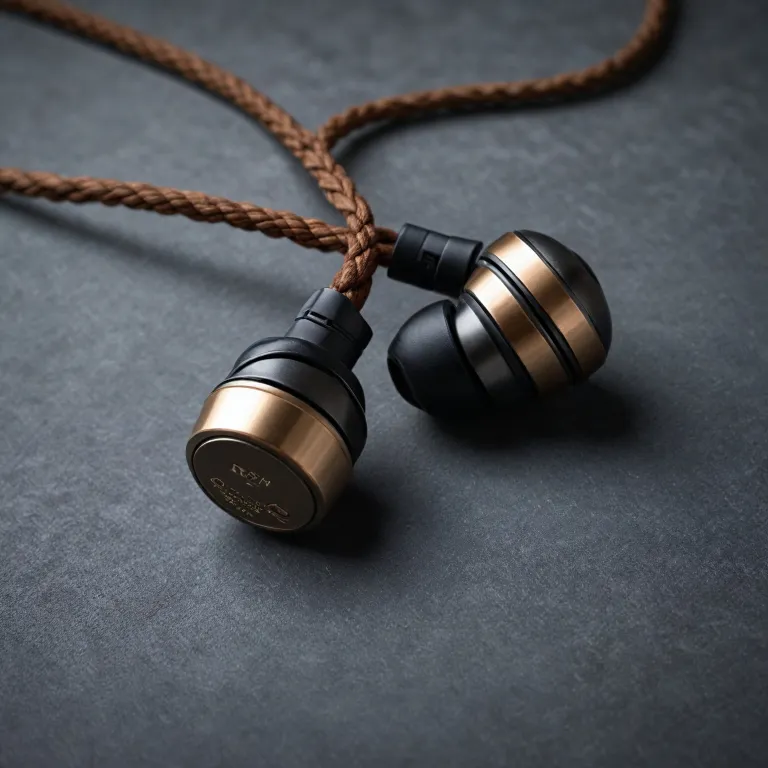

Understanding the sennheiser ie 300 in the landscape of noise cancelling headphones
The Sennheiser IE 300 sits in a complex market where every sound detail matters. In ear headphones now compete directly with large over ear models, and the expectations around noise cancelling and quality sound have never been higher. For a person seeking information, the first step is to understand how this item fits into that broader listening experience.
These iems are tuned for a shaped sound that highlights bass while preserving clarity in the midrange and treble. Sennheiser uses its proprietary 7 mm XWB transducer to deliver a balanced sound that still feels energetic and engaging. This approach aims to satisfy the audiophile who wants professional audio nuance without sacrificing musical warmth or emotional impact.
Unlike many noise cancelling headphones that rely heavily on digital processing, the Sennheiser IE 300 focuses on passive isolation through its ear tips. Deep insertion into the ear canal, combined with silicone or memory foam ear tips, blocks a significant amount of external noise. When the fit is correct, the result can rival some active noise cancelling systems, especially in steady low frequency environments such as public transport.
The sound signature of these earbuds leans toward a slightly elevated bass response that many listeners describe as rich rather than boomy. Treble remains detailed enough for studio style monitoring, yet smooth enough to avoid harshness during long months of daily use. For people moving from mainstream headphones Sennheiser models, the IE 300 often feels like a step into more refined audio territory.
Customer reviews frequently highlight the good quality of construction and the lightweight shell that sits comfortably in the left and right ear. Some headphones great for travel can feel bulky, but these compact earbuds disappear once properly seated. That combination of comfort, sound quality, and subtle noise cancelling makes the Sennheiser IE 300 a compelling option in its price range.
Sound quality, bass performance, and the role of fit
The core appeal of the Sennheiser IE 300 lies in its sound quality and how it changes with fit. Because these are ear headphones that seal inside the ear canal, even small adjustments to ear tips can transform the listening experience. Many audiophile users experiment with several sizes and materials before settling on the ideal combination.
The supplied silicone and memory foam ear tips each shape the sound in slightly different ways. Silicone tips often provide a more open and airy presentation, while foam ear tips can emphasize bass and improve passive noise cancelling. With the right seal, the XWB transducer delivers a balanced sound where bass feels deep yet controlled, and vocals remain clear.
People who value strong bass frequently praise these earbuds in customer reviews, noting that the low frequencies retain texture rather than becoming a dull thump. At the same time, the overall sound signature avoids the exaggerated V shape that some consumer headphones Sennheiser competitors use. Instead, the IE 300 aims for quality sound that works for both casual listening and more critical professional audio tasks.
Because there is no electronic feedback loop like in active noise cancelling systems, the IE 300 does not introduce processing artifacts. This can be important for sensitive listeners who notice hiss or pressure changes in some adaptive noise cancelling headphones. For a comparison with a premium over ear model that uses advanced processing, you can read this detailed test of a flagship noise cancelling headphone.
Over several months of use, many verified purchase comments mention that the IE 300 maintains its tuning without noticeable driver fatigue. Some users even rate the sound with five stars after extensive burn in, although controlled measurements rarely confirm large changes. Still, the perception of evolving sound can reflect the listener’s growing familiarity with the shaped sound and subtle details.
Noise cancelling expectations and the limits of in ear isolation
For a person seeking information about noise cancelling headphones, it is essential to separate marketing language from acoustic reality. The Sennheiser IE 300 does not include active noise cancelling electronics, so its isolation depends entirely on physical design. When the ear tips seal correctly, the ear canal becomes a small closed chamber that blocks much of the outside world.
In practice, this passive noise cancelling works best for constant low frequency sounds such as engine rumble or air conditioning. Sudden high frequency noises, voices, or keyboard clicks still reach the ear, although at a reduced level. Compared with full size adaptive noise cancelling headphones, the IE 300 trades some isolation for a lighter, more discreet form factor.
People who need maximum isolation in challenging environments, such as open plan offices or flights, sometimes pair these iems with additional strategies. Choosing memory foam ear tips can significantly increase attenuation, and some users experiment with third party foam ear options. The result is often a more immersive listening experience, especially when combined with music that masks remaining ambient sound.
For those interested in how noise cancelling technology behaves in demanding contexts, such as medical imaging suites, this analysis of noise cancelling in medical settings offers useful background. It highlights how different designs manage feedback, isolation, and safety constraints. While the Sennheiser IE 300 is not intended for such specialized use, the same acoustic principles apply to its passive isolation.
When reading customer reviews, you will notice a range of opinions about how effective the noise cancelling feels. Some listeners give four or five stars for isolation, while others rate it lower because they expected over ear style silence. This variation usually reflects differences in ear canal shape, ear tips selection, and how carefully the earbuds are inserted.
Price, value, and how the sennheiser ie 300 compares
The price of the Sennheiser IE 300 places it in a competitive mid to upper price range for in ear headphones. For a person seeking information, the key question is whether the sound quality and build justify that investment. Many audiophile listeners argue that the combination of the XWB transducer and tuned sound signature offers strong value.
Compared with cheaper earbuds, the IE 300 typically delivers more refined treble, better controlled bass, and a more coherent soundstage. The shaped sound is designed to remain engaging at low volumes, which can protect the ear over long listening sessions. This matters for people who use their ear headphones for several hours each day, whether for commuting, work, or focused music sessions.
Against similarly priced noise cancelling headphones, the comparison becomes more nuanced. Over ear models may provide stronger active noise cancelling and additional features such as app control, EQ, and multipoint connectivity. However, they rarely match the compact size, low weight, and intimate audio presentation of these iems.
Customer reviews often mention that the IE 300 feels like a professional audio tool rather than a lifestyle gadget. Many verified purchase comments praise the cable quality, the secure fit in the left and right ear, and the overall good quality of materials. Some users note that the item includes a practical carrying case, which helps protect the earbuds during travel.
When evaluating value, it is useful to read both positive and critical reviews to understand expectations. People who prioritize deep bass and immersive isolation often rate the headphones great, while those seeking absolute neutrality may prefer other Sennheiser models. Ultimately, the perceived value depends on how closely the IE 300’s sound signature aligns with your listening experience preferences.
Comfort, ergonomics, and the importance of ear tips
Comfort can make or break any pair of in ear headphones, and the Sennheiser IE 300 is no exception. The housing is shaped to follow the natural curves of the ear, which helps distribute pressure evenly. When combined with the right ear tips, the earbuds can feel almost weightless during extended listening sessions.
The included silicone and memory foam ear tips cover a range of ear canal sizes, but not every listener will find a perfect match immediately. Some people experiment with third party foam ear tips to fine tune both comfort and passive noise cancelling. Because the seal affects sound quality, a better fit often leads directly to improved bass response and overall balanced sound.
Ergonomically, the cable routes over the ear, which stabilizes the earbuds and reduces microphonic noise from movement. This design is common in professional audio iems used on stage, where secure fit and reliable sound are critical. For everyday users, it means fewer adjustments during walking, commuting, or working at a desk.
Several customer reviews mention that the left and right channels remain securely in place even during light exercise. However, these earbuds are not marketed as sports headphones, so people who sweat heavily may prefer dedicated fitness models. Still, for typical urban use, the combination of lightweight shells and flexible ear hooks earns many positive comments and high star ratings.
Over months of use, comfort can change as ear tips wear or compress, especially with foam ear designs. Replacing tips periodically helps maintain both isolation and sound quality, and this small maintenance cost should be factored into the overall price. For many users, the resulting listening experience justifies the ongoing attention to fit and ergonomics.
What customer reviews reveal about long term use
Reading customer reviews of the Sennheiser IE 300 provides valuable insight into how these earbuds perform beyond the first week. Many verified purchase comments highlight the consistency of the sound signature over several months of daily listening. Users often mention that the headphones great performance remains stable whether connected to a smartphone dongle, portable DAC, or dedicated audio player.
Positive feedback frequently focuses on the combination of detailed treble, controlled bass, and overall balanced sound. Some listeners describe the quality sound as approaching that of more expensive iems, especially when paired with high resolution audio files. Others appreciate that the shaped sound remains enjoyable even with compressed streaming services, which reflects careful tuning by Sennheiser engineers.
Star ratings tend to cluster in the four and five stars range, although there are critical voices as well. Complaints usually involve fit issues, expectations of stronger noise cancelling, or concerns about the price compared with wireless alternatives. These perspectives are important for a person seeking information, because they highlight how individual priorities influence satisfaction.
Several reviews praise the durability of the cable and housing, noting that the item withstands daily commuting and office use. The detachable cable design also reassures buyers that a failure in one component will not render the entire pair unusable. This modular approach aligns with professional audio practices, where replaceable parts extend the life of equipment.
When assessing any pair of headphones Sennheiser offers, it is wise to balance technical specifications with lived experience. The IE 300 may not provide the absolute silence of top adaptive noise cancelling headphones, but it compensates with engaging sound and strong passive isolation. For many listeners, that trade off earns a solid verified rating and a place among their most trusted audio tools.
Key statistics about noise cancelling and in ear listening
- Passive isolation from well fitted in ear headphones can reduce external noise by approximately 20 to 30 dB in mid and high frequencies.
- Active noise cancelling in premium over ear models typically adds an extra 10 to 20 dB of reduction in low frequency bands compared with passive isolation alone.
- Listening at moderate levels around 70 dB can significantly reduce the risk of hearing fatigue during sessions longer than 60 minutes.
- Studies show that a poor seal in the ear canal can reduce perceived bass by more than 50 percent, dramatically altering the intended sound signature.
- Customer surveys indicate that more than half of users adjust or change ear tips within the first three months to improve comfort and sound quality.
Common questions about the sennheiser ie 300 and noise cancelling
Are the Sennheiser IE 300 suitable for noisy commuting environments ?
The Sennheiser IE 300 can work well for commuting if you achieve a proper seal with the ear tips. Their passive noise cancelling reduces engine and traffic noise, though not as completely as top active noise cancelling headphones. Many users find the trade off acceptable because of the compact size and engaging sound quality.
How does the bass of the Sennheiser IE 300 compare with larger headphones ?
The bass of the Sennheiser IE 300 is strong and controlled, especially with foam ear tips that seal the ear canal. While it may not move as much air as large over ear drivers, the proximity to the ear creates a satisfying impact. Listeners who enjoy detailed low frequencies often rate these earbuds highly for bass performance.
Do the Sennheiser IE 300 cause ear fatigue during long listening sessions ?
Most users report low ear fatigue thanks to the lightweight shells and carefully tuned sound signature. Because the treble avoids excessive sharpness, the listening experience remains comfortable over several hours. However, using moderate volume levels and taking regular breaks is still recommended to protect hearing health.
Is the price of the Sennheiser IE 300 justified for casual listeners ?
The price may feel high for purely casual use, but many people appreciate the step up in sound quality compared with basic earbuds. If you listen to music daily and value detail, balanced sound, and durable construction, the investment can be worthwhile. Occasional listeners who prioritize convenience over audio performance might prefer more affordable wireless options.
How important are ear tips for getting the best from the Sennheiser IE 300 ?
Ear tips are crucial because they control both comfort and acoustic performance. A secure seal in the ear canal enhances bass, improves passive noise cancelling, and stabilizes the earbuds. Experimenting with different sizes and materials is often the key to unlocking the full potential of these in ear headphones.