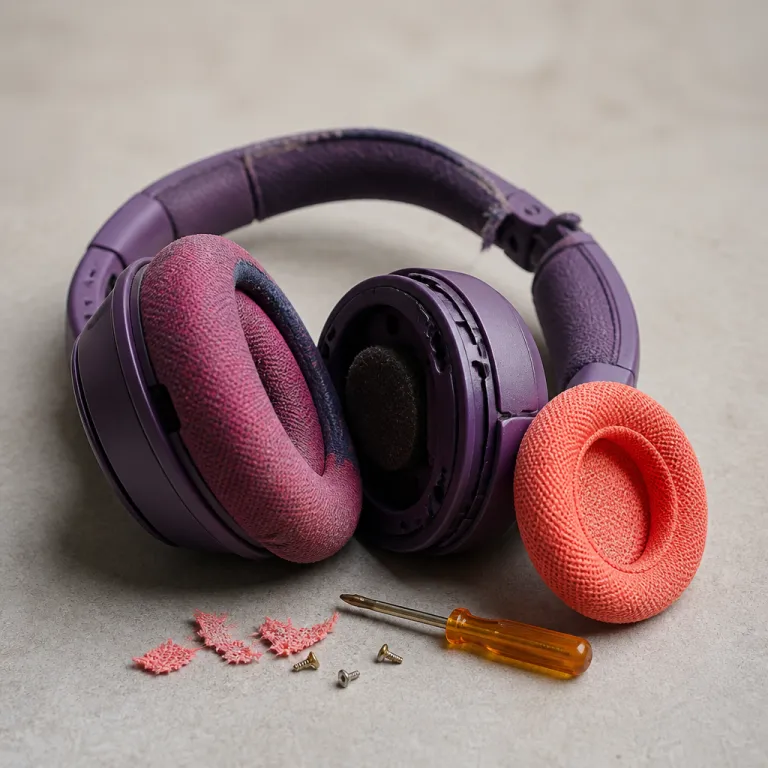
The three year cliff: why premium ANC headphones age so badly
Active noise cancelling (ANC) headphones promise years of quiet focus for remote workers. In practice, many wireless headsets hit a three year wall where batteries fade, earpads peel, and once premium products quietly slide toward electronic waste. That short usable life turns every cracked headphone into a small but very real slice of headphone-related e-waste.
The chemistry is unforgiving because lithium ion batteries inside each wireless headphone or pair of wireless earbuds typically retain about 80 percent of their capacity after roughly 500 full charge cycles, according to testing from organisations such as Battery University and major cell manufacturers that publish cycle life curves in their datasheets. For someone wearing ANC headphones for four to eight hours a day on calls, that means two to three years before battery life drops from a claimed 30 hours to something closer to 18. Heavy ANC plus transparency mode accelerates this curve and increases the environmental impact per hour of listening. When battery packs are sealed and glued, the user cannot replace them, so the entire headphone becomes waste even though the drivers, audio circuitry, and plastics still work.
Compare that with a smartphone, where battery replacement is at least theoretically possible and supported by repair shops in many schools, offices, and city centres. With most ANC models from Bose, Sony, Apple, and Sennheiser, official battery replacement either does not exist or costs so much that people simply buy new products, which quietly feeds a circular economy in marketing terms but not in actual material recovery. The result is a growing stream of headphones recycled poorly or not at all, adding to electronic waste that already strains recycling programs and magnifies the environmental impact of every new launch.
Remote workers feel this most sharply because they lean on wireless headphones as daily tools, not occasional travel luxuries. When a Bose QuietComfort Ultra or Sony WH-1000XM5 loses a third of its battery stamina, the owner faces a choice between living tethered to a cable or replacing a still excellent sounding headphone and adding to ANC headphone e-waste. That decision is rarely framed as an environmental one, yet each early replacement locks in more raw materials extraction, more plastics production, and more climate change emissions upstream.
Noise cancelling performance also ages in less visible ways as firmware support slows or stops. ANC algorithms on models like the AirPods Pro 2 or Sennheiser Momentum 4 are tuned through updates that refine how microphones, drivers, and digital signal processing handle low frequency rumble versus mid range chatter. When firmware updates end, the headphone’s environmental impact per year rises because the same physical shell delivers steadily worse performance compared with newer eco friendly designs that use more efficient audio technology and sometimes recycled plastic.
There is another subtle ageing factor that pushes headphones toward waste faster than laptops or tablets. Comfort components such as earpads and headbands compress, crack, and absorb sweat, especially in open plan offices where people wear headphones for entire workdays. Without clear guidance on cleaning, maintenance, and headphone recycling options, many users treat worn pads as a sign that the whole device is finished, which undermines sustainability and turns recyclable materials into landfill.
Comfort, cleaning, and the quiet death of replaceable parts
For over ear ANC headphones, the first failure you feel is rarely the battery. It is the earpads that flatten, flake, and trap skin oils, slowly turning a once plush headphone into a clammy clamp that you rip off after one meeting. That comfort decay is not just an annoyance; it is a tipping point where many otherwise sustainable headphones become avoidable e-waste.
Most premium models from Bose, Sony, and Sennheiser use synthetic leather over foam, built from layered plastics and adhesives that are technically recyclable but almost never separated in real recycling programs. The environmental impact of replacing just the pads is tiny compared with discarding the entire headphone, yet brands rarely highlight pad replacement in their marketing or onboarding materials, so many users never realise that simple recovery step exists. Detailed guides on earpad comfort and functionality from enthusiast communities and teardown sites show how much performance and sustainability you can regain by swapping worn pads instead of treating the whole device as waste.
Cleaning routines matter more than most people think for both hygiene and sustainability. A quick weekly wipe with a slightly damp cloth and mild soap, followed by a dry cloth, keeps eco friendly materials from cracking prematurely and reduces the need for early pad replacement, which directly helps reduce impact on the environment. For remote workers who wear wireless headphones all day, this simple habit can extend pad life by many months, delaying the moment when the headphone feels old and nudging headphone e-waste a little further into the future.
On ear and over ear models also suffer from sweat and hair product build up along the headband. When that padding splits, people often assume the headphone is finished, even though the drivers, ANC microphones, and batteries still function well enough for years of office calls. A more sustainable approach is to treat these comfort parts as consumables, just like printer cartridges, and to demand that manufacturers offer affordable replacements built from recycled materials or at least recyclable plastics.
Cleaning has a second order effect on audio quality that indirectly shapes environmental outcomes. Grease and dust around the earcup vents can interfere with ANC microphones and pressure relief ports, making the headphone sound worse and tempting owners to upgrade early instead of considering recycling headphones or repair. By keeping these areas clear, you preserve both sound and value, which supports a more genuine circular economy where products stay in service longer before entering any headphone recycling stream.
For wireless earbuds and true wireless designs, the story is harsher because there are almost no user replaceable comfort parts. Silicone tips can be swapped, but the shells that house battery cells and drivers are sealed, so once sweat or debris compromises the finish, the earbuds slide faster toward electronic waste. That is why cleaning and careful storage in the charging case matter so much for sustainable listening goals, even if the industry has not yet caught up with eco friendly design for these tiny products.
Repairability scorecard: who is actually trying to slow the waste stream
When you look past the glossy product pages, the repairability story for ANC headphones is brutally uneven. Bose and Sony lead on noise cancelling performance, but their mainstream wireless headphones and wireless earbuds are mostly sealed, with no official battery replacement paths for consumers. That design choice quietly accelerates headphone e-waste, because every degraded cell turns a complex device into waste long before its audio technology is obsolete.
Apple’s AirPods Pro 2 sit at the extreme end of this spectrum, with a tightly integrated true wireless design that scores very low on independent repairability assessments from groups such as iFixit and other teardown specialists. The battery cells are glued into tiny shells, the stems are ultrasonically welded, and even skilled technicians struggle to perform safe recovery without destroying the housing, which makes headphone recycling almost impossible at scale. In practice, these earbuds become short lived products whose environmental impact per gram is high, especially when millions of pairs flow through schools, offices, and home studios.
Over ear models fare slightly better, but not by much. The Sony WH-1000XM5 and Bose QuietComfort Ultra allow earpad replacement, which is a genuine sustainability win because it keeps plastics and metals in use longer and delays recycling headphones or disposal. Yet both brands treat battery replacement as a service centre secret, not a standard option, so most users never hear about it and simply replace the entire headphone when runtime collapses, feeding more electronic waste into already stressed recycling programs.
Fairphone’s Fairbuds stand out as a rare counter example in the true wireless space. These earbuds use a modular design with user replaceable batteries and clearly documented parts, proving that repairable wireless earbuds are technically feasible even at compact sizes. Fairbuds show that headphones preserved through repair, not destruction, can align audio technology with sustainability goals and reduce impact on climate change without sacrificing everyday usability.
For remote workers choosing between models, this repairability gap should be a deciding factor, not an afterthought. A pair of headphones marketed as sustainable but sealed in practice will almost certainly become waste within three to five years, regardless of how eco friendly its packaging or recycled plastic content might be. By contrast, a headphone with replaceable pads, accessible screws, and published service manuals can stay in circulation for much longer, supporting a more honest circular economy where raw materials are used efficiently.
Serious listeners who care about both sound and sustainability can learn a lot from detailed teardown focused reviews, such as those that analyse complex driver arrays in products like the KZ ZS10 Pro X in a demanding listener review. While that specific model is an in ear monitor rather than an ANC headphone, the same principles apply: modular cables, standardised tips, and accessible shells all make recycling and repair more realistic. The more we reward such design choices with our purchases, the more pressure manufacturers feel to align their flagship ANC lines with long term e-waste reduction goals.
Battery habits, ANC tuning, and what listeners can do right now
Remote workers cannot wait for the industry to fix everything about headphone e-waste. You still need quiet calls, clear microphones, and reliable ANC today, even while brands drag their feet on right to repair and eco friendly design. The good news is that your daily habits can stretch the life of your headphone and reduce its environmental impact more than most marketing claims.
Start with charging discipline, because lithium ion batteries age fastest when they sit at 100 percent or bake in heat. If your wireless headphones or wireless earbuds support it, enable any battery protection mode that caps charge at around 80 percent, and avoid leaving products on a sunny desk or in a hot car where plastics soften and cells degrade faster. These simple steps slow the loss of capacity, which means fewer charge cycles per month and a longer useful life before the device risks becoming electronic waste.
Next, match ANC strength to your real environment instead of running maximum cancellation all day. On a plane or train, full power ANC makes sense because low frequency rumble is intense, but in a quiet home office you can often drop to a lower setting or even rely on passive isolation, which reduces battery drain and extends the life of the battery pack. Over months and years, that gentler usage pattern helps keep headphones recycled later rather than sooner, easing pressure on recycling programs and lowering the environmental impact of your audio habits.
Firmware is another hidden lever that affects both performance and sustainability. Brands like Sony and Bose push ANC updates that refine how many microphones they use and how they process noise, a topic explored in depth in this analysis of the microphone count race in ANC systems and similar technical reports. Keeping your headphone updated ensures you get the best possible noise reduction from existing hardware, which delays the urge to upgrade and helps reduce impact on climate change by stretching the useful life of each device.
When your headphone finally feels tired, resist the reflex to toss it straight into general waste. Many manufacturers and retailers now offer headphone recycling or broader electronics take back schemes, where products are collected, sorted, and sent to specialised facilities that recover metals and some plastics, even if not every material is recyclable yet. Look for local electronic waste collection points at schools, libraries, or municipal centres, and treat your old headphone as a small but important part of the circular economy rather than anonymous trash.
As a remote worker, you can also vote with your wallet by favouring models that use recycled materials, publish clear sustainability reports, or participate in transparent recycling programs. When enough buyers prioritise sustainable features such as recycled plastic housings, eco friendly packaging, and documented repair paths, manufacturers notice and shift their design roadmaps. In the end, the most sustainable headphones are not the ones with the greenest box, but the ones that stay on your head for years instead of in a drawer for decades.
Key figures on ANC headphones and e waste
- The global market for active noise cancelling headphones is projected to reach tens of billions of dollars within the next decade, which means that even a modest failure rate translates into millions of units entering electronic waste streams each year, according to multiple industry forecasts from market research firms such as Grand View Research and Fortune Business Insights that track ANC adoption.
- Typical lithium ion batteries in consumer headphones retain around 80 percent of their original capacity after about 500 full charge cycles, which corresponds to roughly two to three years of daily use for remote workers who recharge their wireless headphones every night, based on manufacturer datasheets and independent battery ageing studies compiled by resources like Battery University.
- Consumer surveys consistently show that a growing share of buyers prefer eco friendly electronics that use recycled materials and support recycling programs, yet only a small fraction of current ANC models offer user replaceable batteries or clearly documented repair options, as highlighted in sustainability reports and right to repair advocacy research.
- Independent teardown analyses of popular true wireless earbuds have found that many designs are effectively non repairable, with glued shells and inaccessible batteries, which makes large scale headphone recycling difficult and pushes these products rapidly toward landfill or low value material recovery.
- Right to repair legislation under discussion in several regions aims to require manufacturers to provide spare parts, repair documentation, and longer software support, measures that could significantly extend the lifespan of ANC headphones and reduce their overall environmental impact if implemented and enforced.