Why the best earpad material headphones start with passive isolation
The best earpad material headphones start working before active circuitry ever wakes. Long before ANC kicks in, the pad material around your ear sets the baseline for isolation and passive noise control. If that passive noise barrier is weak, even the smartest algorithm in a premium headphone struggles to cancel a roaring cabin or a chatty cabin crew.
On models like the Bose QuietComfort Ultra and Sony WH-1000XM5, the soft leather style protein coating on the pads creates a tight seal that traps air and blocks low frequency noise. That seal around the headphone ear is what lets ANC subtract engine rumble instead of chasing leaks from glasses arms or a shifting ear pad edge. When you wear headphones for a six hour flight, you feel every small gap where pads affect both comfort and isolation in ways spec sheets never mention.
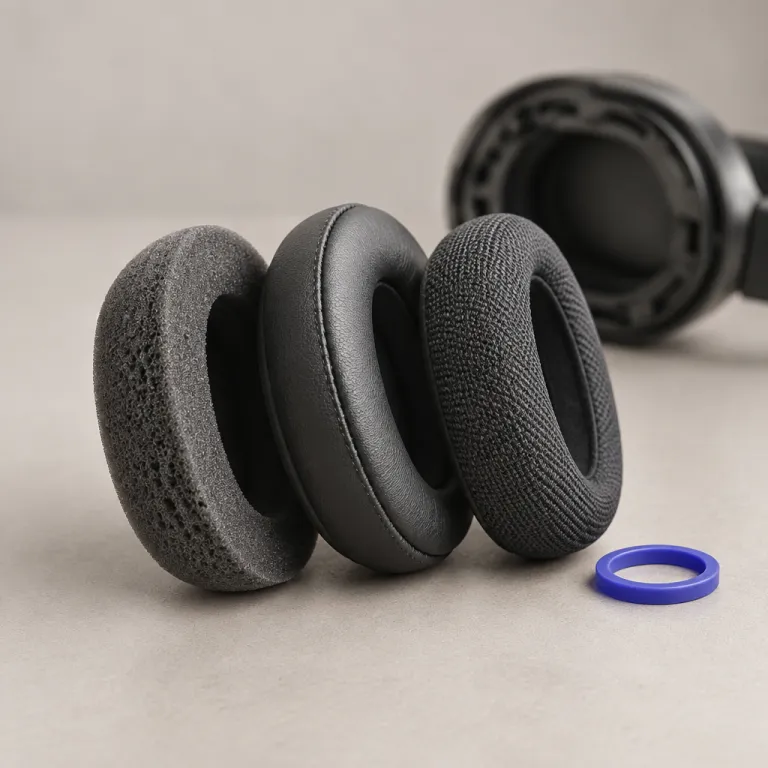
Mesh and velour earpads behave differently, trading isolation for breathability and long term comfort. A velour ear surface feels less sticky in hot cabins, but the tiny pores let more passive noise through and reduce the effectiveness of ANC at the same volume. For frequent flyers, the best earpad material headphones usually combine dense foam under a leather or leather velour finish, because that mix balances comfort, isolation and stable sound quality over many trips.
Foam density, memory foam and how pads affect ANC stability
Inside every pad, the foam is the unsung engineer that shapes both comfort and sound. Standard foam compresses quickly and can create pressure points on the ear after two or three hours, while high density memory foam spreads the load and keeps the seal consistent as you move. When memory foam is tuned well, the best earpad material headphones maintain a stable acoustic chamber, so ANC does not have to constantly readjust to micro leaks.
On the Sony WH-1000XM5, the memory foam core under the leather ear surface helps the pads rebound slowly, which keeps the pad material snug around the jawline without feeling like a clamp. That slow rebound improves passive noise isolation and gives the ANC algorithm a predictable space to work in, which you hear as steadier bass response and fewer pressure shifts during takeoff. If you compare this to cheaper headphones that use thin foam, you will notice how pads affect both bass and comfort sound when the cabin gets loud.
Frequent travelers who plan to replace ear pads later should know that aftermarket foam choices can change the tuning dramatically. A thicker memory foam ear pad from a specialist brand such as Dekoni Audio can increase isolation and bass, but it may also darken the sound quality and slightly alter the noise isolation profile. Before you order any replacement ear pads, read a detailed guide on quality headphone replacement pads to understand how foam thickness, density and pad shape interact with your specific headphone model.
Protein leather, real leather and velour in daily wear headphones
Most modern ANC headphones use synthetic protein leather rather than real leather on their pads. Protein leather is cheaper, easier to color match and more consistent across large production runs, which helps brands keep the best earpad material headphones affordable. The tradeoff is durability, because this synthetic leather tends to peel and crack after heavy sweat exposure or constant friction against glasses.
Real leather earpads, which you see more often on high end audiophile headphone pads, age differently and can stay comfortable for years if you condition them. They resist peeling better than protein leather, but they still trap heat and can feel sticky when you wear headphones in humid airports or crowded trains. Velour and leather velour hybrids breathe far better, which keeps the pad surface soft and reduces moisture buildup, though they sacrifice some isolation and passive noise control in exchange.
For commuters in hot climates, a cooling gel layer under the pad material can be a smart compromise. Some gaming and travel headphones now embed cooling gel pockets inside memory foam, which briefly pulls heat away from the ear and delays sweat, though the effect fades as the gel warms. If you are curious how different tips and pads affect ANC, a focused guide on why memory foam earbud tips matter for noise canceling headphones can help you translate those same principles to full size earpads and over ear designs.
Sweat, seal and how replacement ear pads can help or hurt
Sweat is the quiet enemy of both comfort and isolation in closed back ANC headphones. When moisture builds up on leather or protein leather, the surface becomes slick, the pads shift and the seal around the ear breaks in tiny, audible ways. Those micro shifts let passive noise leak in, which forces the ANC system to work harder and can create that pumping sensation some travelers feel during long flights.
Velour and mesh style earpads handle sweat differently, because their fabric surfaces absorb some moisture instead of letting it pool on the pad. That absorption keeps the pad feeling more comfortable for longer sessions, but it also means the foam and pad material can degrade faster if you never let them dry fully between trips. Over time, compressed foam and worn fabric reduce both sound quality and noise isolation, which is when a carefully chosen replacement ear pad becomes more than a cosmetic upgrade.
Aftermarket brands such as Dekoni Audio offer replacement ear pads in leather, velour and hybrid designs that can either improve or ruin the original tuning. A thicker leather ear pad with dense memory foam might give you better passive noise control and stronger bass response, but it can also narrow the soundstage and change how comfort sound feels over hours. If you care about accurate bass and ANC performance, read measurements or detailed listening notes before you swap pads, and remember that the best earpad material headphones are tuned as a system, not as isolated parts.
Model specific pad design and choosing the right material for your travel
Different flagship ANC headphones show how pad design shapes the entire listening experience. Bose QuietComfort Ultra uses pill shaped earpads with a wide contact patch, which spreads pressure more evenly around the ear and improves passive noise blocking at the jawline. Sony WH-1000XM5 relies on slightly deeper pads with soft memory foam to keep glasses friendly comfort while still maintaining a strong seal for low frequency noise.
Apple AirPods Pro 2 take a different route, using in ear tips rather than full earpads, but the same principles apply to foam density, seal and passive noise control. Sennheiser Momentum 4 leans on plush pads with a leather style finish that feels comfortable at first touch, though some users report heat buildup when they wear headphones for cross country flights. If you are sensitive to bass and want to understand how pad material shapes low end, a detailed analysis of whether a model like Xenns Tea Pro is really bass heavy for critical listening can help you hear how pads affect bass response and overall sound.
For a frequent traveler, the best earpad material headphones usually pair memory foam with either protein leather or a leather velour hybrid, because that combination balances comfort, isolation and durability. In cooler climates and shorter commutes, full leather pads with dense foam can give you better passive noise and a more controlled bass response without overheating. In hot, humid regions or for gym use, consider velour ear surfaces, cooling gel inserts or lighter pad material, accepting a small trade in isolation for a more comfortable and sustainable way to wear headphones every day.
FAQ
How do earpads change the sound quality of ANC headphones ?
Earpads change the internal volume around your ear and the tightness of the seal, which directly affects sound quality. Thicker pads with dense memory foam usually increase bass and passive noise control, while thinner or looser pads can make the sound brighter and less full. Any change in pad material or shape can alter how ANC behaves, so replacements should be chosen with your specific headphone model in mind.
Are leather earpads always better for noise isolation than velour earpads ?
Leather and protein leather earpads usually provide stronger passive noise isolation because they seal more tightly against the skin. Velour earpads breathe better and feel cooler, but they let more external noise leak in through the fabric. For frequent flyers, leather style pads are often better for isolation, while velour suits office work or home listening where comfort and airflow matter more.
When should I replace the ear pads on my ANC headphones ?
You should replace ear pads when you see visible cracks, peeling, flattened foam or when the pads feel less comfortable than before. These signs usually appear after heavy daily use, especially if sweat and skin oils are not cleaned off regularly. Once the pads lose their shape or softness, both isolation and ANC performance decline, so timely replacement restores the original tuning.
Can third party replacement ear pads damage ANC performance ?
Third party replacement ear pads can change ANC performance if their thickness, foam density or material differ significantly from the original design. A deeper pad with firmer foam might boost passive isolation but shift the frequency balance, while a softer, thinner pad can weaken the seal and reduce low frequency cancellation. Choosing replacements that closely match the original specifications helps preserve both sound and noise control.
What earpad material is best for long flights and hot climates ?
For long flights, memory foam pads with leather or protein leather surfaces usually give the best mix of isolation and comfort, especially on models like Bose QuietComfort Ultra or Sony WH-1000XM5. In hot climates, hybrid pads that combine leather on the outer ring with velour or mesh on the face can reduce heat buildup while keeping a reasonable seal. Cooling gel inserts can help for the first hour or two, but breathable fabrics and regular breaks remain more reliable for all day travel.