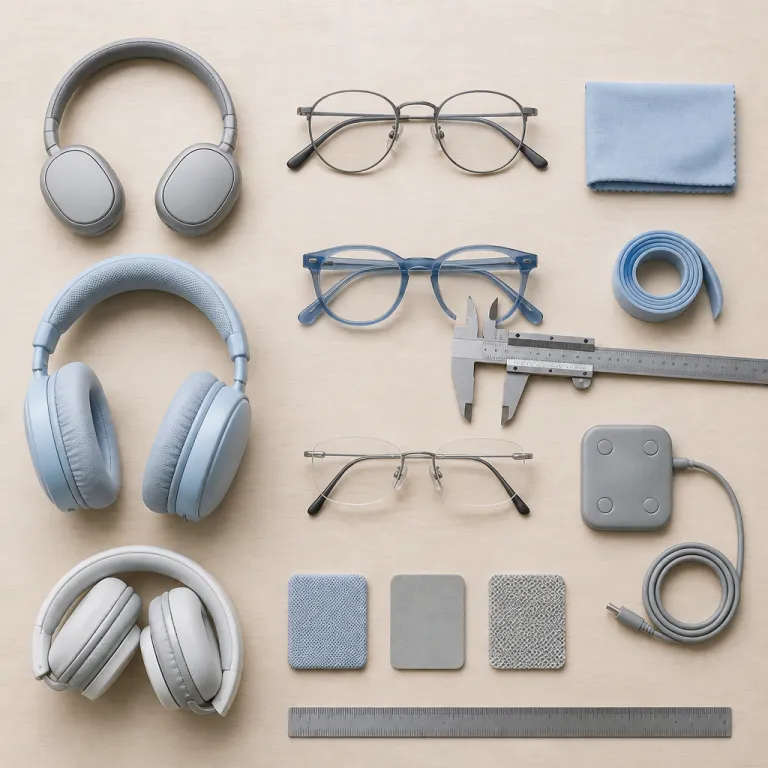
Why headphones and glasses often feel like a bad match
Finding headphones that stay comfortable with glasses starts with understanding where the pain comes from. When you wear glasses under over ear headphones, the rigid temple arms sit between your skull and the ear cups, so clamping force concentrates into a narrow strip instead of spreading across the padding. After one or two hours of wearing a tight headset with glasses, that strip becomes a pressure ridge that can trigger ear fatigue, headaches, and even a slight drop in noise cancellation because the seal is broken.
For glasses wearers, the physics are unforgiving yet predictable, which is good news because predictable pressure points can be managed. The ear pads on most wireless headphones are designed to form an even ring of passive isolation, but when you wear glasses the temple arms act like spacers that lift the pads and create tiny gaps that leak low frequency noise and weaken active noise cancelling performance. That is why the same pair that feels like the best headphones for a contact lens user can feel harsh and far from comfortable for someone who must wear glasses all day in an open office.
Noise cancelling headsets also rely on microphones and algorithms that assume a stable acoustic cavity around your ear. Break that cavity with thick glasses arms and the active noise control has to work harder, which sometimes increases hiss or reduces the depth of noise cancellation in the bass region where plane engines and train rumbles live. If you want a consistently comfortable fit with glasses, you need over ear headphones that combine moderate clamping force, deep ear cups, and memory foam that can deform around the temple arms without crushing them into your skin.
Earpad shape, depth, and materials that protect your temples
The single biggest comfort upgrade for people who wear glasses is the right ear pad design. Oval ear cups with deep cavities, like those on Bose QuietComfort 45 (QC45) or Sony WH-1000XM5, give the temple arms more room to sit without being pinched, while shallow round cups tend to press the glasses straight into the side of your head. For glasses wearers who spend hours on calls, that difference in ear pad depth can mean the gap between mild warmth and real ear pain.
As a rough guide, many listeners find that pads with an internal depth of around 20–25 mm feel noticeably more forgiving than thin cushions closer to 15 mm, because the extra space lets the foam flex around the frames instead of bottoming out on the plastic baffle. Measurements from reviewers such as RTINGS and SoundGuys show that popular models like the Sony WH-1000XM5 and Bose QC45 sit in that deeper range, which helps explain their reputation for comfort. Memory foam is your ally when you wear glasses with over ear headphones. Traditional protein leather pads compress quickly and stay flat, so the hard plastic frame underneath ends up pressing on the temple arms and creating hot spots that worsen with every extra hour of wearing the headset with your everyday frames. High quality memory foam pads slowly rebound and can wrap around the arms of your glasses, preserving more of the seal for passive noise isolation and helping the active noise algorithms maintain consistent noise cancelling performance in a busy open plan office.
Some open ear and semi open designs reduce pressure by not sealing fully around the ear, but they also let in more environmental noise and rely less on strong active noise control. If you work in a quiet home office in the United Kingdom, a lighter open ear headset with soft fabric pads might be a comfortable fit with glasses, though it will not match the deep noise cancellation of closed back wireless headphones on a train. For parents thinking about long term ear health, it is worth pairing your own low pressure headset choice with good ear protection for children so the whole household avoids unnecessary noise exposure.
Clamping force, battery life, and mic quality for remote workers
Comfort for glasses wearers is not only about pads, it is also about clamping force. A headset with a strong squeeze might look secure for gaming or commuting, but that extra tension multiplies the pressure of your glasses arms against the side of your head and accelerates ear fatigue, especially when you wear glasses for eight hours of remote work. On the other hand, a very loose pair of over ear headphones can lose their seal entirely, which hurts both passive isolation and the effectiveness of active noise cancelling in low frequency noise.
Remote workers need to balance that clamping force with practical features like battery life and a reliable mic. A wireless headphones model with a 30 hour battery rating but harsh clamping will still feel like a bad deal at any price if you find yourself ripping it off between meetings because your temples hurt from wearing glasses under the band. Independent tests from sites such as RTINGS and What Hi-Fi regularly confirm that modern ANC models like the Sony WH-1000XM5 and Bose QC45 reach or exceed their advertised battery life in real use, so you can focus on finding the right clamp instead of worrying about daily charging. When you compare best headphones lists on Amazon or other retailers, pay attention to user reviews from glasses wearers who mention comfort, not just sound quality or headline noise cancellation claims.
Microphone performance matters as much as comfort when you live in video calls. If you rely on a headset with mic for work, look for clear descriptions of how the mic handles open offices and traffic noise, and consider reading about microphone arrays that survive the open plan office before you choose a headset with beamforming microphones. For people who also manage tinnitus or general sound sensitivity, pairing a gentle clamping wireless headset with information on finding relief with ear plugs for tinnitus can create a more sustainable listening routine that protects both comfort and long term ear health.
When earbuds beat over ears for glasses wearers
Even the best tuned over ear models will not suit every head shape. If you have very thick glasses arms, a narrow skull, or a history of ear pain, in ear or open ear earbuds can be a better option than any full size headphones with a heavy clamp. Modern earbuds with active noise cancellation, such as Apple AirPods Pro (2nd generation) or Sony LinkBuds S, can rival some full size headsets for noise control while completely avoiding the temple pressure problem that comes from wearing glasses under a padded band.
Earbuds bring their own comfort trade offs, especially for people with sensitive ear canals. A deep in ear fit can cause fatigue after a few hours, and some users find that silicone tips interact poorly with blue light glasses if the frames sit very close to the ear, though this is rare compared with the classic temple pinch from full size headphones. For glasses wearers who split time between gaming, commuting, and office calls, a hybrid setup of one over ear headset with a comfortable fit and one pair of earbuds with strong noise cancelling can spread the load across different contact points on the head.
Open ear earbuds that rest just outside the ear canal avoid both canal pressure and temple squeeze, but they rely on weaker passive isolation and more sophisticated active noise control to fight environmental noise. They can work well for people in quieter homes in the United Kingdom who still want situational awareness while they wear glasses and move around the house. If you go this route, check that the earbuds support a stable wireless connection and have enough battery life to cover your longest workday without forcing you back into a less comfortable headphones glasses combination.
Practical adjustments, model picks, and avoiding ear fatigue
Once you understand the mechanics, you can tune almost any over ear headset to reduce pressure. Start by gently bending the headband outward in small increments to lower clamping force, always testing for a secure but not crushing fit while you wear glasses and move your head as you would during calls. Rotating the ear cups slightly so the thickest part of the padding sits over the temple arms can also spread the load and improve both comfort and noise cancellation by restoring more of the ear seal.
Some models simply start from a better place for glasses wearers. Bose QuietComfort 45 headphones are known for soft pads and moderate clamping, which makes them strong candidates for people who wear glasses all day and still want effective active noise control on trains and planes. Sony WH-1000XM5 wireless headphones offer excellent noise cancelling and long battery life, but their default clamp can feel firmer, so they may require more careful adjustment or third party pads to achieve a truly comfortable fit with glasses.
When you shop on Amazon or in local stores in the United Kingdom, ignore vague comfort claims and look for concrete details such as pad depth in millimetres, total weight in grams, and whether replacement ear cups are easy to swap. A pair that costs a little more in price but offers replaceable memory foam pads and a balanced clamp will outlast a cheaper headset with sealed, shallow pads that punish anyone who must wear glasses for work. In the end, the best headphones with mic for you are the ones that let you forget you are wearing both a headset and glasses, because what matters is not the dB rating on the box, but the silence on the tarmac.
| Model | Approx. pad depth | Clamp feel* | Weight | Rated battery life | Mic / ANC array |
|---|---|---|---|---|---|
| Bose QuietComfort 45 | ~23 mm (measured by RTINGS) | Light to moderate | ~240 g | Up to 24 hours | 4 mics, hybrid ANC |
| Sony WH-1000XM5 | ~22 mm (independent reviews) | Moderate | ~249 g | Up to 30 hours | 8 mics, multi-mic beamforming |
| Apple AirPods Pro (2nd gen) | In ear tips, no pad | No head clamp | ~5.3 g per earbud | Up to 6 hours (ANC on) | Dual beamforming mics, ANC |
*Clamp feel is based on aggregated impressions from reviewers and user feedback rather than a single lab measurement.
FAQ
How can I tell if headphones will be comfortable with my glasses?
Look for over ear headphones with deep oval ear cups, soft memory foam pads, and a moderate clamping force rating. When you try them, put your glasses on first, then the headset, and check whether you feel pressure on the temples within five to ten minutes. If the pads seal well around your ears without sharp lines on your skin after a short test, they are more likely to stay comfortable for longer hours of wearing.
Are Bose QuietComfort headphones good for glasses wearers?
Bose QuietComfort models such as the QC45 are consistently rated as friendly for glasses wearers because they combine soft padding, relatively light weight, and a gentle clamp. Their oval ear cups give more room for temple arms, which helps maintain both comfort and effective noise cancellation. If you wear glasses all day and want strong active noise control, they are a reliable starting point to test for a comfortable fit.
Do earbuds provide better comfort than over ear headsets for people who wear glasses?
Earbuds avoid the specific problem of temple pressure because they do not press on the side of the head where glasses sit. For many glasses wearers, especially those with thick frames, in ear or open ear earbuds feel more comfortable over long sessions than tight over ear headphones. However, some people experience ear canal fatigue with earbuds, so it is worth testing both styles to see which type of contact your ears tolerate better.
How can I reduce ear fatigue when using noise cancelling headphones with glasses?
To reduce ear fatigue, start by lowering clamping force through careful headband adjustment and choosing memory foam pads that conform around your glasses arms. Take short breaks every hour to let the skin around your ears recover, and avoid listening at very high volumes, which can strain your hearing even if the headset feels physically comfortable. If fatigue persists, consider alternating between a light over ear headset and a pair of earbuds so no single pressure point is stressed all day.
Is it safe to bend the headband of my headphones to fit better with glasses?
Many headbands can be gently flexed to reduce clamping force, but you should move slowly and stay within the manufacturer’s guidance to avoid damage. Apply even pressure with both hands and test the fit frequently while wearing your glasses, stopping as soon as the clamp feels secure but not tight. If the frame creaks or shows signs of stress, it is safer to rely on softer replacement pads or choose a different model designed with a lighter clamp.