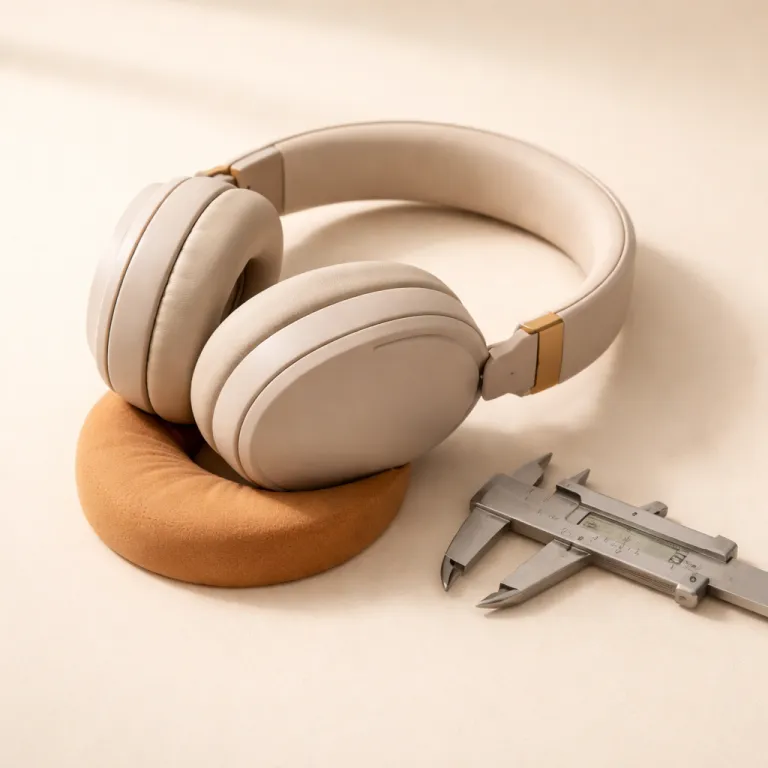

Why comfortable headphones all day is harder than it sounds
Every pair of headphones feels comfortable for the first hour. After several hours of wear, clamp force, ear heat and subtle pressure on the head start to matter more than pure sound. If you want truly comfortable headphones all day, you must judge them by how they feel at hour seven, not minute seven.
Remote workers often chase excellent sound and strong noise cancellation, then realise the headphone design punishes the ear and neck over long hours. The right headphones balance audio performance, battery life and physical comfort so you can keep them on your head through meetings, focus work and a noisy commute without thinking about them. That is the real test of comfortable headphones all day, and it is where many highly rated models fail despite a good price and glowing amazon reviews.
Over ear headphones such as the Bose QuietComfort Ultra and Sony WH-1000XM5 use large ear pads to spread pressure, which helps comfort but can trap heat after several hours. On ear headphones press directly on the ear, which can feel lightweight comfortable at first yet often creates sore spots by the end of the day. In ear headphones and headphones earbuds like Apple AirPods Pro or other ear headphones avoid head pressure entirely, but their type ear fit can cause ear canal fatigue if the silicone tips are too large or the noise cancelling is tuned aggressively.
For office professionals, the mission is simple but demanding. You need comfortable wear for four to eight hours, reliable bluetooth stability, and noise reduction that handles background noise from keyboards and air conditioning without making your ear feel pressurised. Comfortable headphones all day should give you good sound quality, solid active noise performance and a stable wireless range, while still letting you forget you are wearing them between calls.
The physics of clamp force, ear cup depth and ear fatigue
Clamp force is the sideways pressure your headphones apply to your head. Too little clamp and the headphone feels loose, breaks the noise seal and loses bass sound, while too much clamp creates hot spots near the jaw and behind the ear after a few hours. Comfortable headphones all day usually sit in the middle, with enough grip for active noise isolation but not so much that you feel squeezed.
Flagship models vary more than marketing suggests, and this affects long term comfort. Bose QuietComfort Ultra has a relatively low clamp, which many glasses wearers find excellent for comfort, while Sony WH-1000XM5 and similar headphones can feel tighter but deliver slightly better passive noise reduction. If you want to test clamp quickly in a shop, wear the headphones for at least five minutes, move your jaw as if chewing and tilt your head down; if the ear pads stay sealed without pinching, you are closer to comfortable headphones all day.
Ear cup depth is the second hidden factor in ear fatigue. Shallow cups let your ear touch the driver cover, which may not hurt immediately but becomes distracting after several life hours of calls and music. Deeper cups with soft ear pads keep the cartilage away from hard plastic, improving both comfort and perceived sound quality by maintaining a consistent audio chamber around the ear.
Professionals who spend hours on video calls should also think about weight distribution. A lightweight comfortable frame matters more than the raw gram number, because a well balanced design spreads mass across the headband and ear pads instead of digging into one spot. If you are choosing headphones for kids or sensitive listeners, pairing over ear models with safe listening habits and proper ear protection solutions helps prevent long term ear strain while still delivering good audio and effective noise cancelling.
Memory foam, pad materials and the cool down factor
Most comfortable headphones all day rely on memory foam ear pads, but that foam quietly changes over months of wear. Fresh pads spring back quickly, sealing well around the ear and supporting the head evenly, while older pads compress, stay flattened and lose both comfort and passive noise reduction. When memory foam collapses, you turn up the volume to fight background noise, which increases ear fatigue and can make active noise cancellation work harder than necessary.
Pad covering material shapes the cool down factor, especially for remote workers who wear headphones for many hours without a break. Leatherette and synthetic leather feel soft and seal well for excellent noise cancelling, yet they trap heat and sweat, which becomes obvious after a long meeting block or a summer commute. Fabric or knit covers breathe better and feel more lightweight comfortable, but they leak more noise and can reduce the effectiveness of active noise features, so you trade isolation for long term comfort.
If you often work in warm rooms, prioritise breathable ear pads and a lower clamp force. Take a five minute cool down every two life hours, lifting the headphones off your head to let heat escape and to reset the pressure on your ear cartilage. For some users, adding earpiece hooks or aftermarket pad upgrades, as discussed in guides on enhancing comfort with earpiece hooks, can turn a merely good headphone into a genuinely comfortable headphones all day option.
Memory foam also affects sound quality over time. As pads thin, the drivers sit closer to your ear, which can boost treble and reduce bass, subtly changing the audio balance you originally liked. Replacing ear pads every year or when you notice visible flattening restores both comfort and the intended sound, and it often improves the effectiveness of noise cancellation and transparency mode by rebuilding a proper acoustic seal.
Glasses, fit tests and choosing the right type of ear headphones
Glasses change everything about how comfortable headphones all day feel on your head. The temples of your frames sit exactly where ear pads need to seal, so clamp force that feels good without glasses can become painful once plastic arms are in the way. Many quick reviews miss this, because a thirty minute test rarely reveals the slow burn of pressure building along the ear and jaw.
There is a simple shop test for glasses wearers. Put on your usual frames, then wear the headphones for at least five minutes while reading or walking slowly, paying attention to any sharp lines of pressure along the ear where the pad crosses the glasses arm. If you feel discomfort before those five minutes are up, that model will almost never qualify as comfortable headphones all day, no matter how excellent the sound or how attractive the price on amazon.
In ear headphones and headphones earbuds offer another route for people who cannot tolerate over ear pressure. Models like Apple AirPods Pro or other apple airpods variants remove headband weight entirely, relying on a type ear seal inside the canal to deliver noise cancellation and good sound quality. To avoid ear fatigue, choose a size of silicone tip that fills the ear without stretching it, and use transparency mode generously so your ear does not feel over pressurised by continuous active noise processing.
For those who want reference grade audio with minimal fatigue, specialist in ear monitors such as those reviewed in this in depth reference earphones guide show how careful nozzle angle and shell design can support long sessions. Whether you pick over ear headphones, ear headphones or compact headphones earbuds, the goal remains the same. You want stable bluetooth performance, a reliable wireless range and a design that lets you forget the hardware while you focus on work, calls and music for many hours at a time.
An 8 hour wear test you can repeat at your desk
Marketing claims about comfortable headphones all day mean little until you run your own wear test. Set aside a normal workday and use the headphones continuously, mixing video calls, music, podcasts and short breaks exactly as you usually would. Note how your ear, neck and head feel at the two, four and eight hour marks, and whether you are tempted to take the headphone off even when background noise is still high.
During this test, track practical details that spec sheets gloss over. Check how long the battery lasts in real use compared with the stated battery life, and whether enabling active noise cancellation or transparency mode changes that life hours figure significantly. Pay attention to bluetooth stability and wireless range as you move around your home or office, because dropouts and reconnections can be as tiring as physical discomfort when you rely on headphones for work.
Water resistant ratings matter if you commute in the rain or use headphones earbuds for light workouts. A water resistant design protects the electronics, but it can also affect venting and the way air moves around the ear, which in turn influences both comfort and perceived sound. For office focused over ear headphones like AirPods Max or Sennheiser Momentum 4, you will care more about pad softness, weight and noise performance than about sweat resistance, because your main enemy is slow building pressure rather than moisture.
Finally, compare the overall experience with your expectations for comfortable headphones all day. If you reach the end of the day without sore spots, without needing maximum volume to overcome background noise and without worrying about battery or price related compromises, that model has passed the only test that matters. With noise canceling gear, the real luxury is not the dB rating on the box, but the silence on the tarmac.
Balancing noise performance, battery life and value for money
Choosing comfortable headphones all day is always a trade off between comfort, noise performance and cost. Premium models like AirPods Max, Bose QuietComfort Ultra and Sony WH series deliver excellent active noise cancellation and refined sound quality, but their price can be hard to justify if you only need moderate noise reduction for a quiet office. Mid range headphones often match the comfort and battery life of flagships while trimming features such as advanced spatial audio or ultra wide wireless range.
When comparing options, look beyond headline battery numbers. A claimed thirty life hours of playback may drop once you enable strong noise cancelling, high volume and multipoint bluetooth connections, so focus on whether the headphone can reliably cover your longest workday with a buffer. Fast charging can rescue you during a busy schedule, but a truly comfortable headphones all day choice should not force you to think about the battery more than once every few days.
Value also depends on build quality and long term serviceability. Replaceable ear pads extend the life of over ear headphones and keep both comfort and noise reduction consistent, which matters more than saving a little money upfront on a sealed design. Buying from amazon or other large retailers can help with returns if the fit is wrong, but the smartest move is to treat the first week as a structured trial, running your own wear tests and being honest about any ear or head discomfort before the return window closes.
For many remote workers, the best choice is not the most expensive headphone, but the one that vanishes on the head while quietly blocking background noise. That means stable bluetooth, reliable active noise, decent water resistant protection for daily life and a design that feels lightweight comfortable even with glasses. If a pair can do that for eight hours straight, then its performance, battery and price are working together in your favour.
FAQ: comfortable headphones for all day wear
How do I know if headphones will stay comfortable after several hours
The only reliable method is to simulate your real day. Wear the headphones for at least two to three hours continuously, including calls, music and quiet periods, and watch for hot spots on the ear, jaw or top of the head. If you feel relief when you take them off, they are unlikely to be comfortable headphones all day.
Are over ear headphones better than earbuds for long workdays
Over ear headphones spread pressure around the ear and usually offer stronger passive noise reduction, which helps at lower volumes. Earbuds remove headband weight but rely on a tight type ear seal, which can cause canal fatigue for some people. Many remote workers prefer over ear models for desk use and keep lightweight headphones earbuds as a backup for commuting.
What battery life should I aim for in all day work headphones
For office use, aim for at least twenty to thirty hours of rated battery life with noise cancellation on. That usually translates to two or three full workdays between charges, even with frequent calls and some use of transparency mode. Fast charging is helpful, but consistent all day performance matters more than peak numbers.
How does noise cancellation affect ear fatigue
Strong active noise cancellation reduces background noise, so you can listen at lower volumes, which protects your ear over time. However, some people feel pressure or mild discomfort from aggressive noise cancelling, especially in very quiet rooms. If that happens, try a lower ANC setting or mix in transparency mode during quieter tasks.
Do water resistant ratings matter for office focused headphones
For pure desk work, water resistant features are less critical than comfort, sound quality and microphone performance. They become more important if you commute in bad weather or use the same headphones for light exercise. In most cases, prioritising fit, pad quality and stable bluetooth will have a bigger impact on your daily experience than a higher water resistance rating.