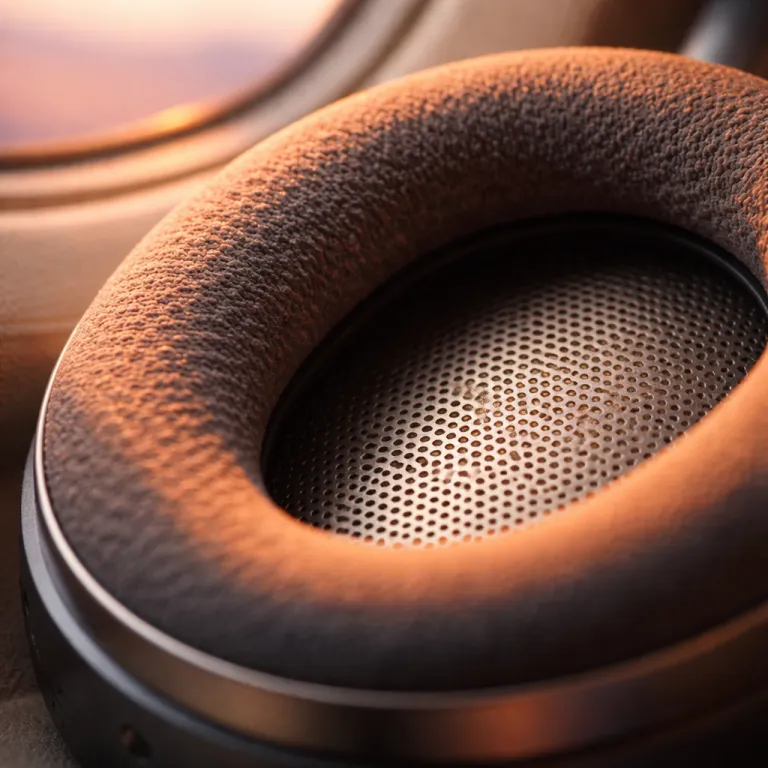

Why airplane cabin noise is where cancelling headphones shine
Airplane cabins are loud, but the noise is strangely predictable. Most of the engine drone and airflow sits in a low frequency band around 200 to 400 Hz, which is exactly where active noise cancellation in modern headphones works at its best. On a long haul flight that steady roar is what exhausts you, not the brief clinks of cutlery or the occasional announcement.
Active noise systems in wireless noise cancelling headphones use microphones to sample the cabin noise, then generate an opposite signal to cancel that audio at your ear. They are far more effective against this continuous low frequency noise than against irregular sounds such as crying babies or nearby conversations, which explains why cancelling headphones feel transformative on planes but only modest in a coffee shop. The physics favors the cabin drone because its waveform is stable enough for the ANC algorithms to predict and invert in real time.
On a plane, passive isolation from ear headphones or over ear headphones still matters, because the ear pads or silicone tips block higher frequency noise that ANC cannot fully erase. A good pair of wireless ear earbuds with deep insertion can tame the hiss of air vents and some clatter, while over ear headphones with plush pads seal the area around the ear and reduce leaks that weaken noise cancellation. The best noise cancelling headphones for airplane travel combine strong active noise performance in that 200 to 400 Hz band with excellent passive isolation, so the engine fades and the remaining sound feels more like a quiet office than a flying metal tube.
How turbulence, seat position and cabin pressure change what you hear
Where you sit on the plane changes how much noise reaches your headphones. Seats near the wings and engines receive more low frequency energy, so even the best noise cancelling headphones for airplane use must work harder there than in the front cabin. During turbulence, airflow over the fuselage becomes less stable, which adds mid frequency whooshes that active noise systems only partly cancel.
Cabin pressurisation shifts during climb and descent can briefly destabilise hybrid active noise systems that use microphones both inside and outside the ear cup. You may hear a momentary pressure wobble or feel your cancelling headphones pumping as the algorithm recalibrates to the new acoustic conditions, especially with models that push aggressive low frequency gain. This is normal behaviour rather than a defect, but it is one reason some travellers prefer slightly less intense ANC tuning that feels more natural over many hours.
Open plan office noise behaves very differently from cabin drone, because it is dominated by human voices and HVAC hiss rather than a single low frequency band. If you want one pair of bluetooth headphones that handles both environments, look for models that balance active noise performance across low and mid frequencies instead of chasing only the deepest engine rumble. A detailed guide to noise cancelling headphones for the open plan office explains why some wireless noise models that excel on planes feel less impressive against chatter and keyboard clicks, and that same logic helps you choose a pair that will not disappoint when you step off the jet bridge.
Battery life, long haul flights and the real cost of silence
Manufacturers love to quote heroic battery life numbers, but those figures rarely match a real long haul itinerary. Active noise features drain the battery 20 to 40 percent faster than standard listening modes, so a claimed 30 life hours can shrink to roughly 18 to 22 hours battery with ANC, bluetooth and moderate volume. For frequent flyers who stack connections, that difference can mean silence from gate to gate or a dead pair of wireless noise cancelling headphones somewhere over the ocean.
When you evaluate the price of noise cancelling headphones for airplane travel, factor in the cost of carrying a second pair or wired backup if the battery dies mid flight. Over ear headphones such as the Bose QuietComfort series or the latest Sony models usually offer longer battery life than compact wireless ear earbuds, but they also take more space in a carry on and can feel warmer on the head after several hours. Earbuds like AirPods Pro or similar air pro style designs trade some endurance for comfort and discretion, which suits travellers who value a tiny case and quick charging over marathon sessions.
Adaptive ANC systems, which adjust active noise strength based on cabin conditions, can stretch life hours by easing off when the environment is quieter. A detailed overview of top adaptive noise canceling headphones shows how some models tune their algorithms to save battery without sacrificing too much sound quality, especially during cruise when the cabin noise spectrum is stable. For the most reliable experience, assume your real ANC battery life will be about one third lower than the marketing number, and plan your charging routine around the longest segment of your route rather than the total trip.
Over ear versus earbuds on planes: comfort, sound and isolation
Choosing between over ear headphones and in ear earbuds for flying is less about fashion and more about anatomy. Over ear designs like the Bose QuietComfort Ultra or Sony WH series create a physical barrier around the ear that boosts passive isolation and gives the active noise system a cleaner canvas to work with. In ear headphones with silicone tips, including many air pro style models, seal directly in the ear canal and can block higher frequencies surprisingly well if the fit is correct.
On a long flight, comfort becomes as critical as raw noise cancellation, because even the best noise performance is useless if the pair hurts after two hours. Glasses wearers often find that some over ear headphones pinch where the arms meet the pads, while others with deeper cushions distribute pressure more evenly over the side of the head. Earbuds avoid that issue but can cause ear fatigue or soreness if the tips are too large or if the shell presses against the outer ear, so experimenting with different sizes before a trip is essential.
Sound quality also differs between formats, though modern bluetooth headphones and earbuds have narrowed the gap with better drivers and support for high resolution res audio codecs. Over ear models usually deliver a wider soundstage and more convincing bass, which makes movies and orchestral scores feel cinematic in the air, while good wireless ear designs can still provide clear dialogue and balanced music for travellers who prioritise minimal bulk. If you are unsure which style suits you, a guide on how to choose the best IEM earbuds for immersive noise canceling listening offers practical tests you can run at home to see whether your ears prefer a sealed canal or a cushioned cup.
Real world picks: Bose, Sony, Soundcore and what ratings miss
Online ratings and amazon stars can point you toward popular models, but they rarely explain how those headphones behave after ten flights. Bose QuietComfort headphones have long been a reference for noise cancellation on planes, because their tuning targets that 200 to 400 Hz cabin band aggressively while keeping the upper mids relatively smooth. Sony over ear bluetooth headphones, such as the WH series, often deliver stronger bass and more customisation through apps, which appeals to listeners who want to tweak sound and touch controls rather than accept a fixed profile.
More affordable options like Soundcore Anker wireless noise cancelling headphones offer impressive value for the price, especially for travellers who fly a few times a year and do not need the absolute best noise reduction. These models may not match Bose or Sony for active noise depth, but they still cut enough engine roar to reduce fatigue and make in flight audio more intelligible at lower volumes. When you compare a pair of headphones, look beyond marketing phrases such as pro or ultra and focus on measurable traits like stable bluetooth connections, consistent ANC performance across different seats and predictable battery life over repeated trips.
Earbuds such as premium air pro style models or other wireless ear designs can be excellent secondary tools even if you prefer over ear headphones for most of the flight. Many travellers keep a pair headphones of compact earbuds in a pocket for boarding, meals or quick bathroom breaks, then switch back to full size cans for sleep and movies. In the end, the best noise cancelling headphones for airplane travel are not the ones with the loudest claims or the highest stars, but the pair that still feels comfortable, connected and quiet when the cabin lights dim and the engines settle into their endless low hum.
Frequently asked questions about noise cancelling headphones for airplane travel
Are noise cancelling headphones safe to use during takeoff and landing on planes ?
Most airlines allow passive use of headphones during takeoff and landing, but they may ask you to pause bluetooth connections on some routes. Active noise systems themselves are safe for your ears, because they reduce external noise rather than adding dangerous volume. If you are concerned about missing announcements, use transparency or ambient modes during critical phases of flight.
Do I need over ear headphones, or are earbuds enough for long flights ?
Over ear models usually provide stronger overall noise reduction on planes, thanks to larger drivers, better passive isolation and more powerful ANC hardware. Earbuds can still work very well if they fit deeply and securely, especially for travellers who value compact cases and lighter weight. Many frequent flyers carry both, using over ear headphones for sleep and movies and earbuds for walking through terminals or short regional hops.
How much battery life should I look for in ANC headphones for flying ?
For medium haul trips, aim for at least 20 hours of rated battery life with ANC on, which usually translates to around 14 to 16 real hours. Long haul travellers should target 30 or more advertised hours, knowing that active noise and higher volumes will cut that figure by roughly one third. Fast charging is also important, because a 10 to 15 minute top up during a layover can add several hours of listening.
Can noise cancelling headphones completely block crying babies and cabin announcements ?
No current ANC system can fully erase irregular, high pitched sounds such as crying or clinking dishes, because those waveforms change too quickly for the algorithm to predict. Good passive isolation from tight seals and thick pads can reduce the sharpness of those noises, but some of that energy will still reach your ears. For safety reasons, airlines also require that you remain able to hear important announcements, so total isolation is neither realistic nor desirable.
Is it worth paying more for premium brands like Bose and Sony for airplane use ?
Premium models from brands such as Bose and Sony usually offer deeper low frequency noise reduction, more refined sound tuning and better comfort than budget competitors, which matters on long flights. Cheaper headphones can still be effective for occasional travel, but they may show weaknesses in ANC stability, bluetooth reliability or pad durability after repeated trips. If you fly frequently and rely on your headphones for work and rest, the higher upfront cost often pays off in reduced fatigue and fewer mid flight frustrations.