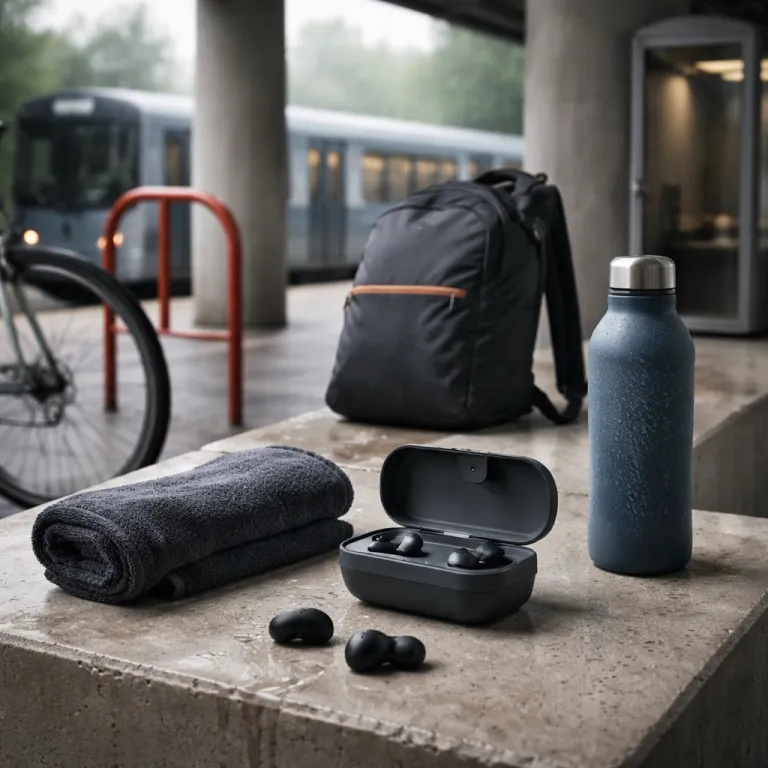

Why “best noise cancelling earbuds” is the wrong first question
Most commuters ask for the best noise cancelling earbuds as if one perfect pair exists. The more useful question is which earbuds solve your specific problems with noise, comfort, and battery life on real trains and buses. Think less about a single best model and more about matching active noise cancelling performance, fit, and battery life to your daily route.
For example, Bose QuietComfort Ultra Earbuds Gen 2 deliver some of the deepest active noise cancelling in any true wireless earbuds, yet their soft silicone tips will not suit every ear canal. Sony’s WF-1000XM5 anc earbuds offer excellent sound quality and strong active noise control, but some listeners find the foam tips warm during long hours under a winter hat. AirPods Pro 3 lean on Apple’s ecosystem, with very good noise canceling and a polished app experience, yet their one-size shape can feel loose for running between platforms.
When you compare cancelling earbuds, think in terms of four failure modes rather than a single ranking. The first is weak active noise on low-frequency rumble, where anc hours of commuting expose flaws in the algorithm. The second is poor mic performance, where a supposedly pro pair of buds turns your voice into muffled noise on work calls.
The third failure mode is comfort, especially when you wear wireless earbuds for two or three hours straight. A pair that sounds best on paper can still create pressure points or slip when you pull a scarf over your ears. The fourth is unreliable connectivity or short battery life, where even the best wireless features mean little if one bud dies before you reach home.
Every time you see marketing for the best noise or the most advanced anc mode, translate it into these four questions. How well does this pair cancel subway roar and office chatter, and for how many hours with anc on before the charging case is needed. How stable is the wireless connection when your phone is in a coat pocket and the train is packed with competing Bluetooth signals.
Once you frame noise cancelling earbuds around these real-world failure points, spec-sheet numbers start to look less impressive. The right buds pro model for you might not win every review, but it will survive your commute with fewer compromises. What matters is not the dB rating on the box, but the silence on the tarmac and the clarity on your next platform announcement.
The four commuter failure modes and which earbuds fix each one
Urban commuters usually hit at least one of four pain points with noise canceling earbuds. Either the anc is too weak for train rumble, the fit fails when you sweat, the microphones struggle on calls, or the battery life collapses before the day ends. Matching each failure mode to a specific pair of earbuds is more useful than chasing a vague best label.
If your main issue is raw active noise, Bose QuietComfort Ultra Earbuds Gen 2 currently sit at the top for in-ear noise cancelling. Their active noise cancelling earbuds design digs deep into low-frequency noise, cutting subway roar and bus engines more than most anc earbuds, especially when you run the fit test in the app. For commuters who want the best noise reduction first and everything else second, this pair is the reference point.
When sweat and stability are your weak spots, a wing-tip design like Beats Fit Pro or other buds pro style models can outperform smoother shells. These wireless earbuds lock under the ear ridge, so they stay put when you jog for the last metro or wear a beanie over them. You trade a little comfort for hours of reliable grip, but for gym commuters that is often the best wireless compromise.
Call quality is a different battlefield, especially if you take stand-up meetings from platforms. AirPods Pro 3 and similar pro buds use beamforming microphones and smart noise reduction to keep your voice intelligible over station announcements. They are not perfect in wind, yet they beat many cheaper cancelling earbuds whose microphones pick up more noise than speech.
Battery anxiety is the fourth failure mode, and it matters when your day stretches beyond a simple commute. Aim for at least six to eight anc hours on the buds themselves and 24 to 30 hours case total from the charging case, so you can handle a full workday plus travel. If a review mentions only total hours case without separating bud and case numbers, treat that as a warning sign.
For a deeper breakdown of what best actually means when you sweat, commute, and run back-to-back calls, study this detailed guide on best noise cancelling earbuds for real-world use. It reframes best noise as a balance of anc strength, comfort, and microphone clarity rather than a single score. That mindset helps you read any review with a more critical, commuter-focused eye.
How to run a 60 second fit and ANC test before you judge
Most people judge noise cancelling earbuds in the first minute and never adjust the fit properly. That is like reviewing a sports car without checking the tyre pressure or seat position. A quick, structured fit test can transform both passive isolation and active noise performance in any pair of buds.
Start with tip size, because the wrong silicone or foam tips leak noise and kill bass. Try each size on both ears, then play a familiar track with strong low-end sound and switch between sizes while gently pressing the earbuds in. The correct tips will give you fuller bass, less outside noise, and a more stable feel when you move your jaw.
Next, toggle between anc mode, transparency mode, and standard mode while standing near a steady noise source like a bathroom fan. With active noise on, the low-frequency hum should drop sharply, while transparency mode should bring back outside sound without harshness. If anc barely changes the noise level, reseat the buds and repeat the test before blaming the algorithm.
Many wireless earbuds include an app-based fit test that plays a short sound and measures the seal. Run this test for each ear separately, then repeat after a few minutes of walking to see if the buds loosen. A secure fit not only improves noise cancelling but also extends perceived battery life, because you will not need to raise the volume to drown out leaks.
On your commute, test how the earbuds handle different environments during the first anc hours of use. Switch from active noise to transparency mode when crossing streets, then back to full anc on the train, and note how quickly the buds respond. If the controls are fiddly or the app is slow, that friction will matter more than a small difference in sound quality.
If you are unsure whether in-ear monitors or over-ear headphones suit your ears and glasses, read this comparison of in-ear monitors versus headphones for noise canceling. Over-ear models like Sony WH-1000XM5 or Bose QuietComfort over-ear can offer deeper passive isolation, but they are bulkier under winter hoods. True wireless buds, by contrast, slip into a pocket-sized charging case and avoid the sweaty earpads that plague long-haul flights.
When you evaluate any review, look for comments about fit stability over several hours case of use, not just first impressions. A pair that feels fine in a shop can create hot spots after two hours under a hat. The real test of the best noise cancelling earbuds is how they feel and sound at the end of a long day, not the first five minutes.
Reading ANC specs, isolation charts, and marketing claims without getting misled
Noise canceling marketing loves big numbers, but commuters need context more than slogans. Brands quote decibel reductions without explaining whether that applies to low-frequency rumble, midrange chatter, or high-frequency squeals. Your ears experience all three, and anc earbuds rarely perform equally across the spectrum.
When you look at RTINGS or similar lab tests, focus on isolation graphs rather than a single anc score. Curves that dip deeply below zero in the 50 to 300 hertz range indicate strong reduction of train and bus engines, which matters most for daily commuters. Shallower dips in the 500 to 2000 hertz band mean more office voices will leak through, even if the overall noise cancelling number looks impressive.
Battery claims deserve similar scrutiny, especially when brands quote best case figures. Always separate bud battery life with anc on from total hours case including the charging case, because that difference shapes your real routine. A pair that offers eight anc hours on the buds and 24 more in the case will feel very different from one that manages only five hours before you must dock them.
Codec support and wireless stability also matter, but not in the way marketing suggests. LDAC or aptX Adaptive can improve sound quality on compatible Android phones, yet a stable Bluetooth connection in crowded stations is more important than theoretical bitrates. If a review mentions frequent dropouts or desynchronised buds, treat that as a serious red flag for commuters.
Over-ear headphones still have a place, especially for travellers who prioritise maximum isolation over pocketability. Models like Sony WH-1000XM5 or Bose QuietComfort over-ear often beat true wireless buds in passive isolation, because large earcups block more noise before anc even starts. For a focused look at this category, see this guide to top Bluetooth over-ear noise canceling headphones and compare their strengths with in-ear options.
Price is the last spec to decode, and it is more than a simple number. A mid-range pair of cancelling earbuds with reliable anc, solid microphones, and six hours of real-world battery life can beat a premium pro model that fails on comfort. The best wireless choice is the one that keeps working on your worst commute days, not the one with the flashiest app animations.
Model-by-model guidance for common commuter profiles
Different commuters need different strengths from their noise cancelling earbuds, even when they ride the same train. A remote worker who lives in calls all day will not choose the same buds as a runner who sprints between buses. Thinking in profiles helps you translate lab data and every review into a personal short list.
If you are a call-heavy professional, prioritise microphone clarity and stable wireless performance over the last few decibels of anc. AirPods Pro 3, with their tight integration into Apple devices, offer reliable switching between phone and laptop, strong active noise for most environments, and microphones that handle office noise better than many rivals. They also support a refined transparency mode that keeps your own voice natural during quick platform conversations.
For travellers who want the deepest possible noise cancelling, Bose QuietComfort Ultra Earbuds Gen 2 remain the benchmark. Their active noise algorithms dig deeper into low-frequency noise than most anc earbuds, making them ideal for long train rides and flights. Battery life is competitive, with around six anc hours on the buds and a compact charging case that extends total life anc to a full travel day.
Gym commuters and runners should look at winged designs like Beats Fit Pro or similar buds pro models. These cancelling earbuds sacrifice a little compactness for a secure fit that survives sweat, quick head turns, and winter hats pulled low. Sound quality is tuned with energetic bass, which can be motivating on noisy streets where some low-end is lost to outside noise.
Budget-conscious commuters might consider models like EarFun Air Pro series, which aim to deliver strong value in true wireless form. While they cannot match Bose or Apple for anc depth, they often provide respectable active noise, decent sound quality, and a practical hours case rating for the price. Check whether the app allows basic equaliser tweaks, because a small bass or treble adjustment can make them feel more premium.
Finally, some listeners simply want the best wireless balance of comfort, sound, and simplicity without chasing extremes. For them, mid-range anc earbuds from brands like Samsung, Jabra, or Sennheiser can offer a sweet spot of stable fit, clear calls, and enough anc hours to cover a full day. The right pair will not win every category, but it will quietly handle your commute, your office, and your evening walk without drama.
Practical buying checklist for the best noise cancelling earbuds
When you are ready to buy, turn marketing claims into a simple checklist. This keeps you focused on how the earbuds will behave on your actual commute, not just in a glossy advert. Think of it as a quick audit of anc performance, comfort, and long-term battery life.
Start with fit and comfort, because everything else depends on a stable seal. Look for multiple tip sizes, a lightweight design, and the option to run an in-app fit test that checks for leaks around each earbud. If you wear glasses or hats, pay attention to how the buds sit under pressure and whether they stay secure when you move your jaw.
Next, evaluate active noise and transparency features. You want at least one strong anc mode for trains and planes, plus a reliable transparency mode for street crossings and quick conversations. The best noise cancelling earbuds let you switch between these modes quickly, either through touch controls or a responsive app.
Battery and charging details come next, and they should be specific. Aim for six to eight anc hours on the buds themselves and at least 24 total hours case with the charging case, so you can handle long days without anxiety. Wireless charging is a bonus, but consistent battery estimates in independent review testing matter more than any single headline figure.
Sound quality and app support round out the checklist. Look for a balanced default tuning with enough bass for noisy environments, plus an equaliser in the app so you can adapt the sound to podcasts or music. If you use both Android and iOS, check whether the app is equally capable on each platform, because some pro features appear only on one system.
Finally, weigh price against the specific failure modes you care about most. Paying more for a pair that nails anc, microphones, and comfort can be a better investment than buying cheaper buds that you replace after a few frustrating months. In the end, the best noise cancelling earbuds are the ones that quietly remove friction from your commute, leaving you with your music, your thoughts, and a little more calm between stations.
Key figures about noise cancelling earbuds for commuters
- Most premium true wireless earbuds now target six to eight hours of continuous playback with active noise cancelling enabled, compared with four to five hours in earlier generations, which reduces mid-day charging for commuters.
- Typical charging cases provide an additional 20 to 24 hours of battery life, bringing total hours case to around 26 to 32 hours for many pro models, enough for several days of commuting without a wall charger.
- Independent lab tests often show low-frequency noise reductions of 25 to 35 decibels for top-tier anc earbuds on airplane-like rumble, while midrange reductions around 10 to 15 decibels are more common for office chatter.
- Surveys of urban commuters in large cities frequently report daily listening times of 60 to 120 minutes on public transport, which aligns closely with the design targets for anc hours on most modern earbuds.
- Water and sweat resistance ratings of IPX4 or higher are now standard on many cancelling earbuds, reflecting the growing share of users who combine commuting with workouts or walking in light rain.
FAQ about the best noise cancelling earbuds for commuting
Are over-ear headphones better than earbuds for noise canceling on trains
Over-ear headphones usually provide stronger passive isolation because large earcups cover your ears completely, which helps active noise cancelling work more effectively on low-frequency rumble. However, true wireless earbuds are easier to pocket, lighter under hats, and less sweaty in warm carriages. For many commuters, the trade-off between maximum isolation and everyday comfort makes high-quality anc earbuds the more practical choice.
How much battery life do I really need for a daily commute
If you commute one to two hours per day, aim for at least six hours of playback with anc on, so you can cover several days without recharging the buds. A charging case that adds 20 or more hours case will comfortably handle longer trips or unexpected delays. Anything less can force you into mid-week charging routines that quickly become annoying.
Do I need a specific codec like LDAC or aptX for good sound quality
High-resolution codecs such as LDAC or aptX Adaptive can improve sound quality on compatible Android devices, especially in quiet environments. On noisy trains and buses, though, a good seal, strong anc, and a balanced tuning matter more than the codec. For most commuters, stable wireless performance and reliable noise cancelling outweigh subtle codec differences.
How important is transparency mode for city commuting
A well-implemented transparency mode is crucial if you walk near traffic, cycle, or need to hear announcements. It lets outside sound in without removing the earbuds, which keeps you safer and more aware between noisy stretches where you rely on full anc. When testing, check that your own voice sounds natural and that sudden noises do not become painfully sharp.
Can cheaper earbuds offer good enough noise canceling for everyday use
Many mid-range and budget anc earbuds now provide respectable noise reduction, especially for steady low-frequency sounds like bus engines. They may not match premium models for deep anc or microphone clarity, but they can still make podcasts and music more enjoyable on daily routes. The key is to check independent measurements and user reviews rather than relying solely on marketing claims.