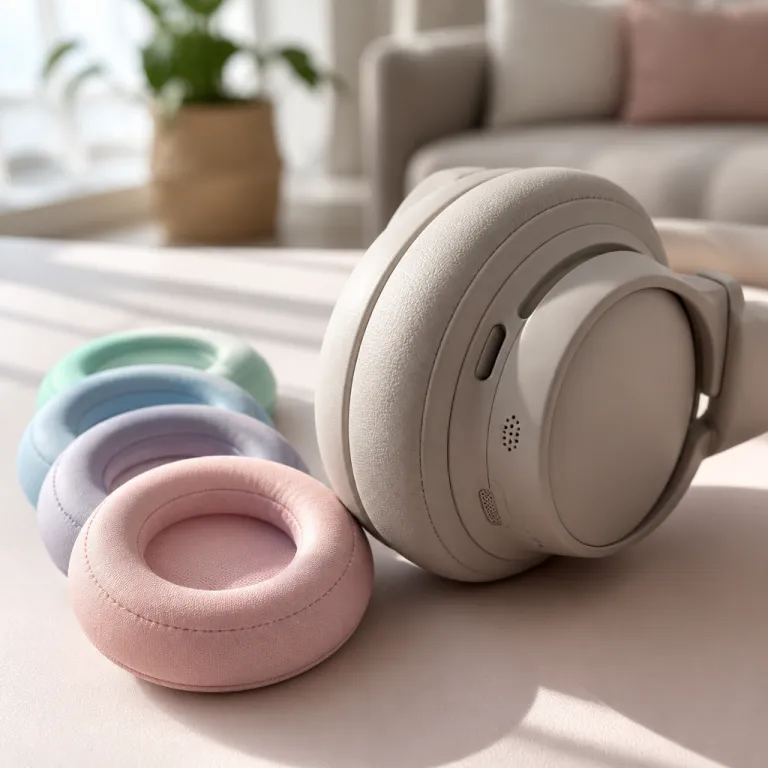
Adaptive noise cancelling technology versus passive isolation in real offices
Adaptive noise cancelling technology promises silence, but it behaves very differently from simple passive noise isolation. For a remote worker in the United States juggling Slack pings, keyboard clatter, and HVAC hum, the real question is how much noise reduction you get from active systems versus a good physical seal around the ear. When you compare adaptive noise and passive noise side by side, you start to hear where each approach wins and where it fails.
Passive noise isolation relies on materials and fit to block sound, so thick pads and deep earcups physically stop part of the sound wave before it reaches your ear. Active noise cancellation, by contrast, uses microphones to capture ambient noise, then generates anti noise through signal processing that cancels the incoming sound at low frequency ranges. With adaptive anc and hybrid anc systems, the headphones constantly adjust that active noise profile as background noise and head position change, which can feel magical in a plane cabin but less predictable in a quiet home office.
In practice, the primary difference adaptive listeners notice is that passive noise isolation works best for high frequency distractions like keyboard clicks, while active noise cancelling crushes low frequency rumble from air conditioners or distant traffic. A strong anc system on over ear headphones such as the Bose QuietComfort Ultra or Sony WH 1000XM5 can remove a huge slice of low frequency sound, but if the ear seal is weak then passive noise isolation collapses and more interference leaks in. For a buyer comparing anc versus passive noise isolation, this means you should treat the ear fit and pad design as seriously as any active noise spec, and you can dive deeper into how earpads change silence in this guide on passive isolation versus ANC performance.
How ambient level adaptive ANC actually works on Sony and Bose
Ambient level adaptive anc is the most common form of adaptive noise cancelling technology, and it is what you see on Sony, Bose, and many premium earbuds. These systems listen to the ambient noise around you, measure its frequency content, then adjust active noise cancellation strength and filter shape in real time. Instead of a single fixed anc system, you get a continuum of active noise profiles that respond to changing background noise in an office, train, or café.
On the Sony WH 1000XM5 headphones, the microphones capture both external ambient noise and internal ear cavity sound, then a processor runs fast signal processing to generate anti noise that targets low frequency and some mid frequency bands. When the system detects more ambient noise, such as a subway entering a tunnel, it increases active noise cancelling intensity and shifts the filter to prioritize low frequency rumble. When you move into a quieter meeting room, the same adaptive anc system dials back cancellation to reduce the sense of pressure and to avoid over correcting for tiny sound variations that your ear would normally ignore.
Bose takes a similar approach with its QuietComfort Ultra headphones and earbuds, but its tuning leans toward comfort and stability rather than maximum noise reduction. The Bose anc system focuses on consistent noise cancellation across a wide frequency range, so the difference adaptive listeners feel between modes is smaller but more predictable. For remote workers who move between open plan offices and home, this style of cancelling active noise can feel more transparent, because the headphones do not swing wildly in response to every sound wave or audio signal spike.
Scene based adaptive systems and the Sony WF 1000XM6
Scene based adaptive anc goes a step further by using sensors to infer what you are doing, not just what you are hearing. Sony’s WF 1000XM6 earbuds combine microphones, accelerometers, and sometimes location data to decide whether you are sitting at a desk, walking through a city, or riding a train. The anc system then loads different active noise and ambient noise mixes for each scene, changing how much noise cancelling you get without you touching a control.
When the earbuds detect that you are running or walking quickly, they reduce full noise cancellation and increase ambient sound so you can hear traffic and footsteps more clearly. In a quiet office, the same adaptive anc logic may prioritize passive noise isolation and gentle active noise, because aggressive anti noise at high frequency bands can create a hiss that becomes distracting during long calls. For commuters, the most dramatic difference adaptive scene systems create is on trains, where the earbuds push strong low frequency noise reduction while still letting some high frequency announcements through.
This approach works well when the activity detection is accurate, but it can misfire if you fidget at your desk or pace during a call. Some users in the United States report that their ear headphones suddenly shift from deep noise cancellation to a more open mode mid meeting, because the system thinks they started walking. If you value predictable control over your audio environment, you may prefer to disable some automatic scene systems and rely on manual modes, while still benefiting from the underlying adaptive noise filters that track interference and sound wave changes.
Apple conversation awareness, Bose ActiveSense, and speech friendly ANC
Speech focused adaptive noise cancelling technology tackles a different problem for remote workers and office professionals, which is how to hear colleagues or baristas without constantly toggling modes. Apple’s conversation awareness on AirPods Pro 2 listens for your own voice, then automatically lowers audio volume, reduces active noise cancellation, and boosts transparency so you can talk naturally. Instead of reacting only to ambient noise levels, this system treats your speech as the primary signal that should pass through the filters.
When conversation awareness kicks in, the earbuds reduce anti noise in the mid frequency band where human voices live, while keeping some low frequency cancellation to block HVAC rumble and traffic. That means you can keep a baseline of active noise while still hearing speech clearly, which is especially useful in open plan offices in the United States where background noise never fully disappears. For people who spend hours on calls, this blend of adaptive noise and controlled transparency can feel more natural than hard switching between full anc and full ambient modes.
Bose’s ActiveSense, used in some QuietComfort models, aims for a similar speech friendly balance but with a different control philosophy. Instead of only reacting to your voice, Bose systems monitor overall ambient noise and selectively reduce cancellation when sudden loud sounds or conversations appear, so the difference adaptive listeners feel is more gradual. If you are sensitive to aggressive mode changes, Bose’s approach to cancelling active noise may feel smoother, while Apple’s conversation awareness feels more direct and intentional, especially when you want to keep one ear in the meeting and one ear in your music, and you can read more about hearing health and anc in this analysis of ANC as hearing protection.
When adaptive ANC helps, when passive isolation wins, and what to buy
For buyers comparing anc versus passive noise isolation, the key is to match the technology to your daily noise. Adaptive noise cancelling technology shines against low frequency background noise such as bus engines, air conditioners, and distant traffic, where active noise systems can generate precise anti noise that your ear never hears as separate sound. Passive noise isolation, by contrast, is unbeatable for high frequency clicks, keyboard chatter, and sudden sharp sounds that are too fast or too complex for real time signal processing.
In real testing with Bose QuietComfort Ultra, Sony WH 1000XM5, Sennheiser Momentum 4, and AirPods Pro 2, the biggest difference adaptive systems made was in how often you needed to touch controls. On planes and trains, adaptive anc reduced the need for manual switching, because the anc system automatically ramped up cancellation as ambient noise increased and relaxed it when the cabin quieted. In stable home offices, though, many listeners preferred a fixed anc mode plus strong passive noise isolation, because constant micro adjustments to active noise felt like interference rather than support.
If you want a set and forget experience, look for headphones or earbuds that let you tune how aggressive the adaptive noise behaviour is, or even lock it to a preferred profile. Remote workers who know exactly when they want silence and when they need awareness often end up using manual modes for focus and transparency, while letting adaptive anc handle only subtle background noise shifts. For long term ownership, also consider models with replaceable batteries and robust ear pad designs, because anc performance depends on both electronics and physical seal, and you can explore how battery swaps affect headphone lifespan in this report on replaceable batteries in headphones, since the real test of any anc system is not the dB rating on the box, but the silence on the tarmac.
FAQ
How does adaptive ANC differ from standard active noise cancellation?
Standard active noise cancellation applies a fixed level of anti noise based on a single tuning profile, while adaptive anc changes that profile in real time. The system monitors ambient noise, your movement, and sometimes your voice, then adjusts frequency targets and intensity. This makes adaptive noise more flexible but also more variable, which some listeners love and others find distracting.
Is adaptive ANC better than passive noise isolation for office work?
Adaptive anc is better at removing low frequency hum from HVAC systems and traffic, which helps during deep focus tasks. Passive noise isolation is often more effective for high frequency keyboard clicks and nearby conversations, especially with well sealed ear headphones. Many remote workers get the best results by combining strong passive noise isolation with moderate adaptive noise cancelling rather than relying on one method alone.
Do earbuds provide the same adaptive ANC performance as over ear headphones?
Earbuds can deliver impressive adaptive anc, but they usually have less physical space for microphones and drivers than full size headphones. Over ear designs often achieve stronger low frequency noise reduction because they combine passive noise isolation from large pads with powerful active noise systems. High end earbuds like AirPods Pro 2 and Sony WF 1000XM6 still perform very well, especially for commuting and travel in the United States.
Can adaptive ANC affect audio quality during music listening or calls?
Adaptive anc can subtly change audio because the filters that cancel noise also interact with the music signal. When the system shifts its frequency focus to handle new background noise, you may hear small changes in bass or treble. Good designs from brands like Sony, Bose, Apple, and Sennheiser minimize these effects, but sensitive listeners may still notice them during quiet passages.
Should I leave adaptive ANC on all the time?
Leaving adaptive anc on all day is safe for most people, but it does increase battery drain compared with passive noise isolation alone. In very quiet environments, some listeners prefer to switch to a low anc mode or transparency to avoid the slight pressure feeling that strong active noise can create. The best approach is to test how your own ears respond in your typical spaces and then set a default mode that feels natural.