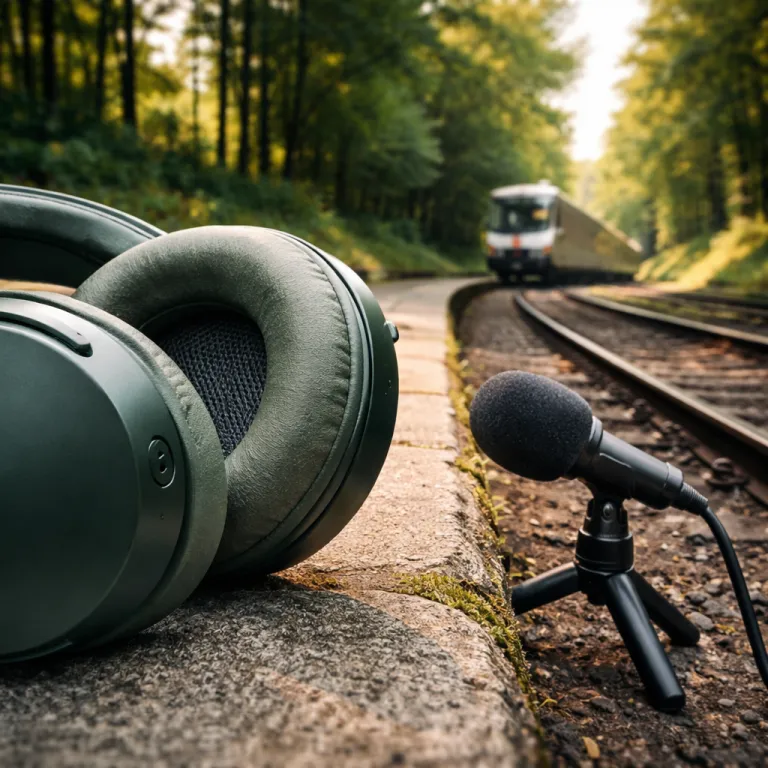

How active noise cancellation reshapes the sound around your ears
Active noise cancellation in modern headphones is essentially precision noise control for your daily commute. The system listens to ambient noise with tiny microphones, then generates an opposite sound wave to create destructive interference that reduces the sound reaching your ear. When this active noise process works well, the perceived noise reduction feels almost physical, especially against low frequency rumbles from trains and buses.
To understand how active noise cancellation works in real time, picture a sine wave representing the background noise and a second wave inverted by 180 degrees that the headphones create. When these two sound waves meet, peaks align with troughs, and destructive interference cancels much of the low frequency energy before it reaches your eardrums, which is why ANC headphones feel so effective against engine drones yet less perfect against sharp high frequency sounds. This anti noise signal is calculated by the headphones’ internal audio processor, which constantly adjusts the wave shape as the surrounding sounds change while you walk, sit, or stand in a crowded carriage.
Good noise cancelling headphones never rely on active technology alone, because passive noise isolation from the earcups or earbud seal is the first line of defense. Thick pads and well designed tips block some passive noise, especially high frequency chatter, before any active noise algorithm even starts its work. The better the passive noise reduction, the less aggressive the active noise processing needs to be, which usually means cleaner audio and fewer artifacts in your music or podcasts.
The physics behind anti noise and why rumble disappears first
At its core, active noise cancellation is applied physics, not vague marketing language about silence. The headphones’ microphones capture incoming sound, the processor flips that signal with a 180 degree phase shift, and the drivers play this anti noise wave so that destructive interference reduces the original noise at your ear. Because long low frequency sound waves are easier to predict and match, ANC headphones excel at cancelling low frequency noises like subway drones, airplane engines, and bus vibrations.
High frequency sounds behave differently, which is why a crying child or clinking keys often cut through even strong noise cancellation. Shorter high frequency waves change more rapidly in both amplitude and direction, so real time control is harder and any mismatch between the noise and the cancelling wave leaves audible residue. Hybrid ANC technology helps by using both feedforward microphones outside the ear and feedback microphones inside the earcup to refine noise control, but even the best cancelling headphones still let some sharp sounds through.
In practice, this means your experience with noise canceling on a train will feel very different from your experience in a quiet office with occasional speech. On a train, the constant low frequency sounds from the tracks and engines get crushed, while midrange voices remain partially audible, which can be useful for safety and awareness. In an office, passive noise isolation from the pads or earbuds plays a bigger role, because active noise has less continuous background noise to target and more sporadic high frequency interruptions to manage, so the physical seal around your ears often matters more than raw ANC power.
Feedforward, feedback, and hybrid ANC on real commutes
Different ANC designs handle noise in different ways, and those trade offs matter when you squeeze under a winter hat on a crowded platform. Feedforward ANC places microphones on the outside of the headphones or wireless earbuds, listening to ambient noise before it reaches your ear and generating anti noise preemptively, which works well for predictable low frequency sounds but can struggle with wind and sudden changes. Feedback ANC adds microphones inside the earcup or ear canal, measuring the actual sound that reaches your ear and correcting any mismatch between the intended noise reduction and the real audio environment.
Hybrid ANC combines both feedforward and feedback microphones, and this is the design used by most top tier noise cancelling headphones like the Bose QuietComfort Ultra, Sony WH‑1000XM5, AirPods Pro (2nd generation), and Sennheiser Momentum 4. Independent measurements from sources such as RTINGS typically show hybrid systems delivering an extra 5–10 dB of attenuation in the lower midrange compared with basic feedforward setups, especially around the 200 to 400 hertz band where train rumble dominates. In my listening tests on metro lines and long distance trains, that hybrid approach also improved noise control for midrange background noise such as overlapping conversations, though high frequency sibilants and keyboard clicks still slipped through more than the marketing promises would suggest.
For a daily commuter, the choice between these ANC types is less about abstract technology and more about consistent experience across varied routes. If your commute includes windy platforms or outdoor walks, feedforward microphones alone can overreact to gusts and create pumping artifacts in the audio, while hybrid ANC tends to smooth those transitions. If you mostly ride underground trains with steady low frequency noise, almost any decent noise canceling system will tame the rumble, but hybrid ANC still offers the most reliable noise reduction when the carriage fills with voices and intermittent announcements.
Adaptive ANC, transparency mode, and the role of passive isolation
Adaptive ANC is the industry’s answer to the fact that your noise environment never stays constant between home, street, and subway. Instead of using a fixed level of noise cancellation, adaptive systems in headphones and wireless earbuds monitor ambient noise, your playback volume, and sometimes even ear fit to adjust how much anti noise they generate at different frequency bands. In practice, that means stronger low frequency noise canceling on a train, gentler noise control in a quiet office, and a smoother handoff when you switch into transparency mode to hear announcements or quick conversations.
Models like the Sony WH‑1000XM5 and AirPods Pro (2nd generation) use adaptive ANC to shift their sound wave patterns dynamically, boosting cancellation around engine hum while easing off when only light background noise is present. This can preserve audio quality by avoiding over aggressive processing that sometimes warps music, especially in the bass region where active noise systems work hardest, and it also helps battery life by not running maximum cancellation when unnecessary. However, adaptive ANC still depends heavily on good passive noise isolation, because if the ear seal is poor, the microphones and processors must work harder and still cannot fully compensate for leaks at high frequency ranges.
Passive noise isolation remains crucial, whether you prefer over ear cancelling headphones or in ear earbuds with silicone tips. Thick pads and well tuned clamping force create a physical barrier that blocks some high frequency sounds before any active noise algorithm engages, which is why replacing worn earpads can restore lost noise reduction more effectively than tweaking ANC settings. For commuters wearing glasses or winter hats, small changes in fit can break the seal and reduce both passive noise and active noise performance, so testing comfort and stability on an actual train ride matters more than reading any spec sheet about frequency sounds or claimed decibel reduction.
ANC vs passive noise isolation for buyers who ride every day
When you compare ANC to passive noise isolation as a buyer, you are really choosing how your headphones fight different kinds of noise across the frequency spectrum. Active noise cancellation shines against low frequency and some midrange background noise, while passive noise isolation handles much of the high frequency content like keyboard clicks, sibilant speech, and clattering doors. For a daily commuter, the best experience usually comes from a combination of strong passive noise control and well tuned active noise, not from chasing the most aggressive ANC rating alone.
Over ear ANC headphones such as the Bose QuietComfort Ultra and Sennheiser Momentum 4 offer large earcups that create solid passive noise barriers, then layer active noise canceling on top to erase train rumble and bus engines. In contrast, compact wireless earbuds like AirPods Pro (2nd generation) rely on deep ear insertion and silicone tips for passive noise isolation, with their ANC engines focusing on low frequency and midrange sounds that slip past the seal, which can feel more intrusive if the fit is imperfect. If you often wear a beanie or hood, earbuds avoid the pressure and occasional cabin like sensation that some people feel with strong active noise in over ear designs, though they may let in more high frequency chatter unless the passive noise isolation is excellent.
The simplest listening test you can run in a subway car is this, and it works regardless of brand or price. First, pause your audio and switch ANC off, then on, and notice how much low frequency noise disappears versus how much speech remains, which tells you how active noise cancellation works on your specific route. Next, keep ANC on but gently break the ear seal by lifting one earcup or loosening an ear tip, and you will hear how passive noise isolation and active noise cooperate to create the overall noise reduction you feel, proving that the real measure of performance is not the dB rating on the box, but the quiet you experience in the carriage.
Key statistics about active noise cancellation performance
- Hybrid ANC systems currently hold a significant share of the noise cancelling headphones market, with industry reports such as Mordor Intelligence describing hybrid designs as the dominant premium segment for commuters and estimating that ANC headphones already account for well over one third of total over ear sales.
- Feedforward microphones capture external ambient noise, while feedback microphones verify what actually reaches the ear, improving real time noise control across changing environments and allowing more precise tuning of low frequency attenuation curves.
- Low frequency cancellation remains the strongest area for active noise, whereas high frequency sibilants and irregular sounds like crying children remain the hardest to suppress fully, with many lab measurements showing 20–30 dB of reduction below 200 hertz but less than 10 dB above 1 kilohertz.
- Advances in engineered damping foams and multilayer acoustic materials are increasing passive noise isolation efficiency before ANC activates, which reduces the processing load on ANC headphones and improves overall audio quality by lowering the amount of corrective anti noise required.
| Frequency band | Typical hybrid ANC attenuation* |
|---|---|
| 50–100 Hz (deep engine hum) | 25–30 dB |
| 200–400 Hz (train rumble) | 15–20 dB |
| 1–4 kHz (speech region) | 5–10 dB |
| >4 kHz (sharp transients) | 0–5 dB |
*Illustrative range based on aggregated ANC measurements from independent lab tests such as RTINGS for current flagship commuting headphones, typically using standardized head and torso simulators in controlled acoustic chambers to plot attenuation versus frequency.
Frequently asked questions about how active noise cancellation works
How does active noise cancellation differ from passive noise isolation in practice ?
Active noise cancellation uses microphones and processing to generate anti noise sound waves that create destructive interference with incoming noise, especially at low frequency ranges. Passive noise isolation relies on physical barriers like earpads and ear tips to block sounds, which is more effective for high frequency content such as chatter and keyboard clicks. For commuters, combining strong passive noise with well tuned ANC delivers the most consistent reduction of background noise across trains, buses, and offices.
Why do some noises still get through my noise canceling headphones ?
ANC is most effective against steady low frequency sounds like engine hum, because these are easier for the system to predict and cancel with an inverted sound wave. Sudden or irregular high frequency sounds, such as crying children or clattering dishes, change too quickly for perfect real time control, so some of that energy reaches your ear. Even with advanced hybrid ANC technology, microphones and processors cannot fully erase every type of noise without also damaging the audio you want to hear.
Is hybrid ANC always better than standard ANC for commuting ?
Hybrid ANC, which combines feedforward and feedback microphones, generally offers better noise reduction across a wider range of frequency sounds, especially in the 200 to 400 hertz band where train rumble dominates. For commuting, this usually means deeper low frequency cancellation and more stable performance when the carriage fills with voices or when you move between platforms and tunnels. However, comfort, passive noise isolation, and fit under hats or glasses can still outweigh small ANC differences, so you should test both types in your real routes when possible.
What is transparency mode and when should I use it on the subway ?
Transparency mode uses the same microphones that power active noise cancellation, but instead of generating anti noise, it pipes external sounds into your ears so you can hear your surroundings more clearly. On the subway, transparency mode is useful for hearing announcements, quick conversations, or safety cues without removing your headphones or earbuds. Many ANC headphones let you switch between full noise cancellation, partial noise control, and transparency mode, so you can balance awareness and isolation depending on how crowded or complex your environment feels.
How can I test ANC quality quickly before buying new headphones ?
The most practical test is to stand near a steady noise source like a train platform or busy street, then toggle ANC on and off while listening for changes in low frequency rumble versus midrange voices. Strong ANC should dramatically reduce the low frequency background noise without making your audio sound hollow or pressurized, and it should not introduce obvious pumping or hissing artifacts when the environment changes. You should also check how well passive noise isolation works by adjusting the fit and noting how much extra noise leaks in when the ear seal is compromised, because that interaction defines your real world experience more than any marketing claim about advanced technology.
References
- Mordor Intelligence – market analysis of active noise cancelling headphones and hybrid ANC adoption, including segment growth forecasts for commuter focused models, with methodology notes on shipment data and vendor interviews.
- RTINGS – comparative measurements of ANC performance across frequency ranges for major headphone models, with detailed attenuation graphs for Bose, Sony, Apple, and Sennheiser designs based on repeatable lab test rigs.
- Wirecutter – long term reviews of commuting headphones with real world noise reduction testing, comfort assessments, and fit observations for daily riders, cross checked against objective isolation measurements.