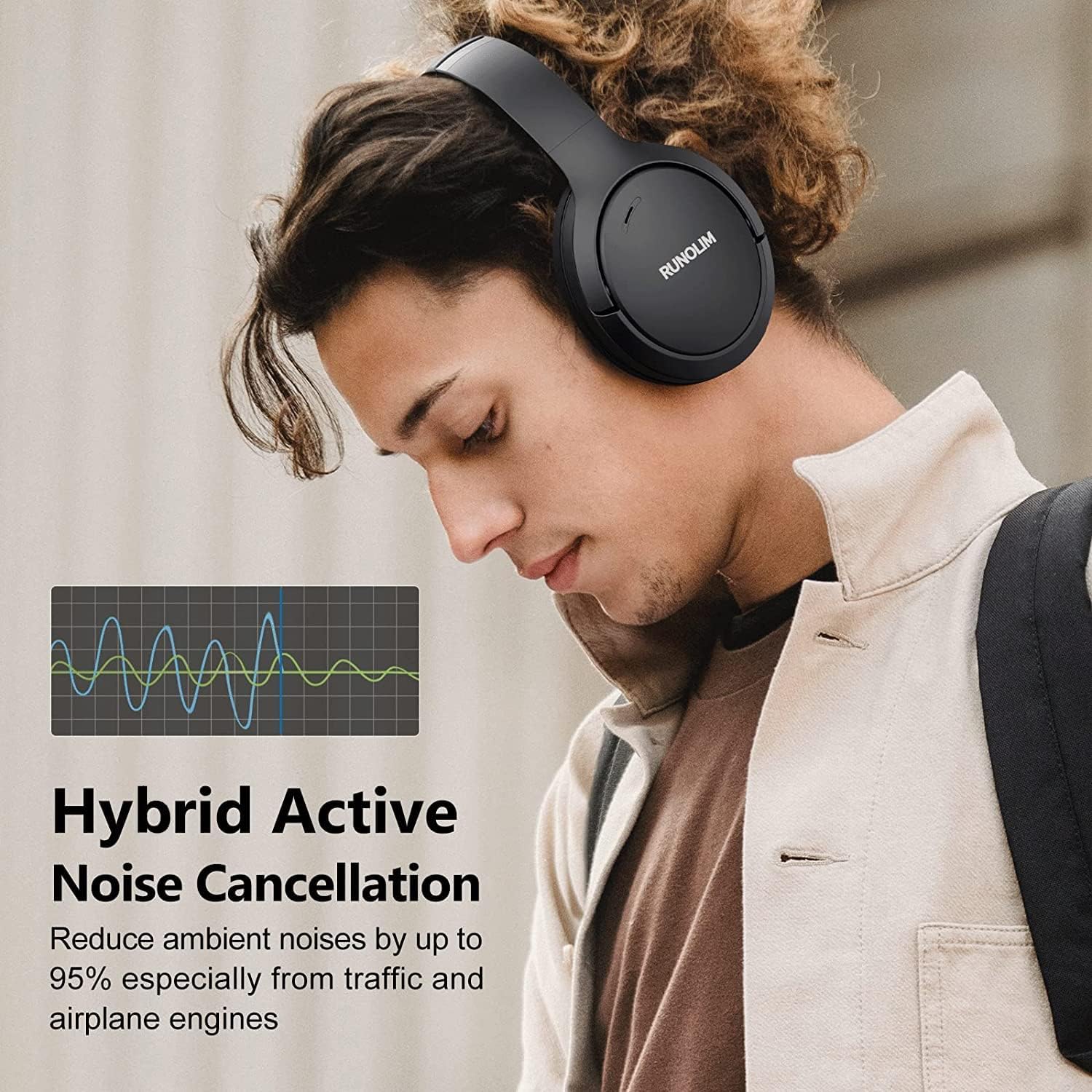
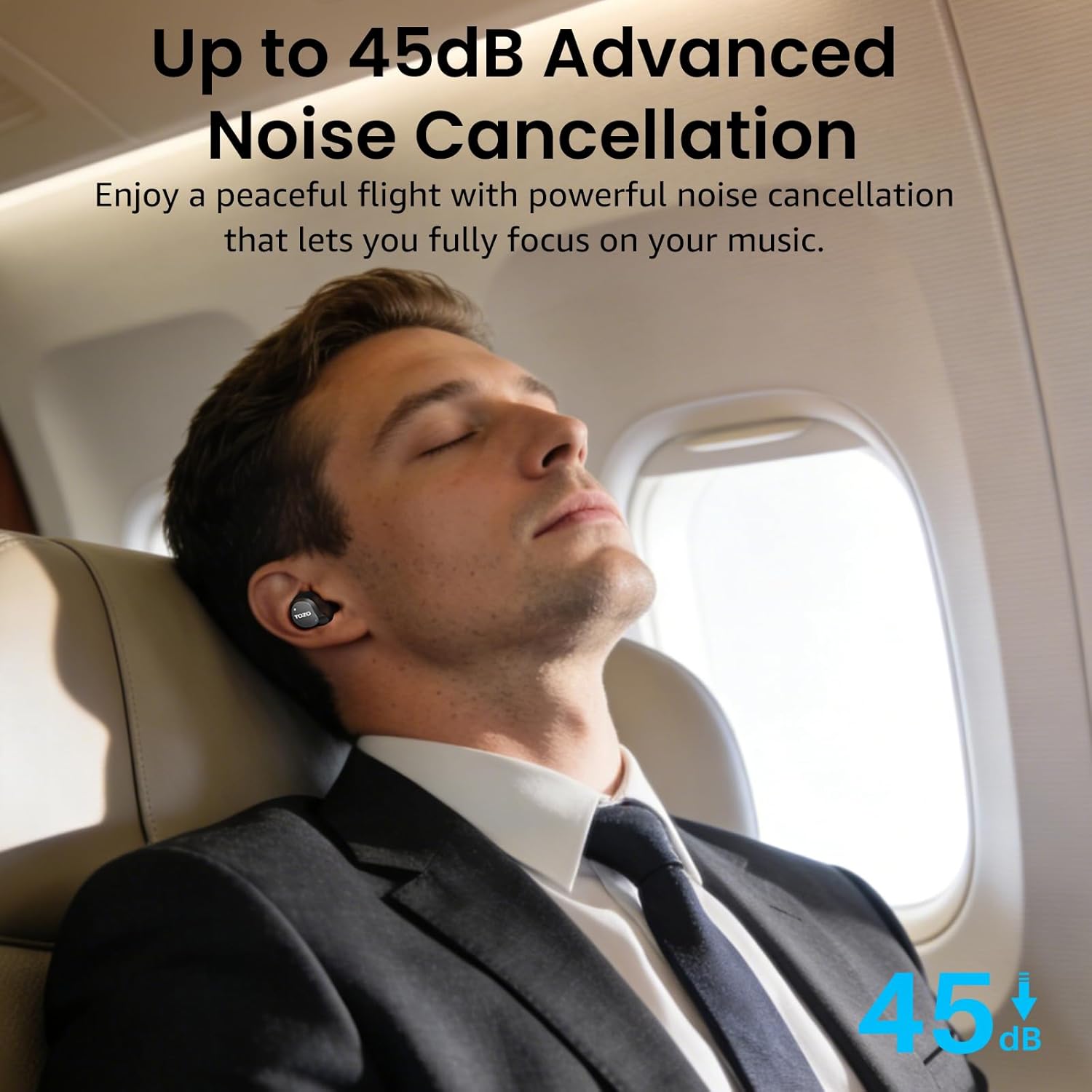
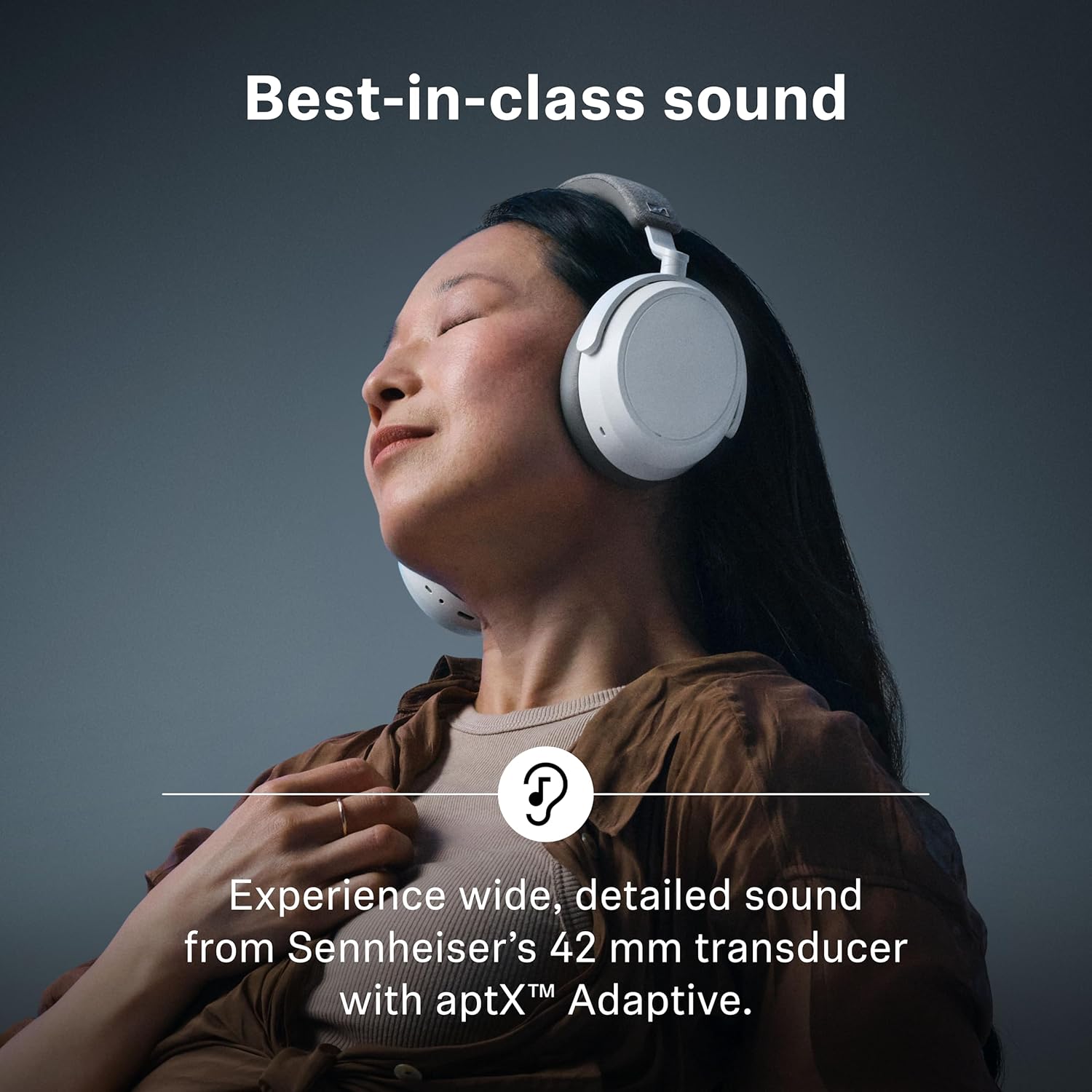
Key buying factors for the best hybrid noise canceling headphones
Choosing the best hybrid noise canceling headphones starts with clarity about where you will use them. Commuters need strong active noise performance against engines and train rumble, while home workers may prioritise comfort, microphone clarity, and long battery life for video calls. If you travel frequently, focus on wireless headphones that fold, include a hard case, and offer at least 25–30 hours of playback with ANC enabled, similar to the Sony WH-1000XM5 (rated up to 30 hours with noise cancelling on in Sony’s product sheet).
Price always matters, but it should follow your priorities for sound quality and features. A higher price often brings better audio drivers, more refined hybrid noise cancellation, and extras like multipoint bluetooth connections or high resolution audio support. Before paying a premium, check whether the product supports bluetooth headphones codecs such as SBC, AAC, aptX, aptX Adaptive, or LDAC, because these influence wireless sound quality as much as the headphone hardware and can be the difference between basic streaming and near lossless playback.
Comfort deserves the same attention as specifications, especially with over ear headphones. Look for soft pads that fully surround the ear, moderate clamping force, and a weight under roughly 300 g for long listening sessions; for reference, the Bose QuietComfort Ultra Headphones weigh about 250 g, while the Sony WH-1000XM5 comes in around 250–255 g according to manufacturer data. If you are sensitive to pressure, consider models highlighted in specialised guides to lightweight noise canceling headphones, since lighter designs reduce fatigue while still offering effective active noise control.
Comparing leading hybrid ANC models from Sony, Bose, and Focal
Among mainstream brands, Sony has set a reference for hybrid ANC with its premium wireless headphones. The Sony WH-1000XM5 and WH-1000XM4 typically combine powerful active noise cancellation with rich bass and detailed mids, making them strong all rounders for music, films, and calls. Their bluetooth headphones implementations usually support SBC, AAC, and LDAC codecs plus reliable multipoint pairing, which helps when you switch between a laptop and a phone without manually reconnecting each time.
Bose takes a slightly different approach with the Bose QuietComfort Ultra Headphones and QuietComfort 45, prioritising comfort and consistent noise cancellation over aggressive bass. Many listeners praise these cancelling headphones for their soft ear cushions, low clamping force, and natural transparency mode that lets outside sound in when needed. If you value a relaxed sound signature and effortless fit, a Bose QuietComfort headphone can be more appealing than a brighter, more analytical competitor, even if the bass impact is slightly softer than on comparable Sony models.
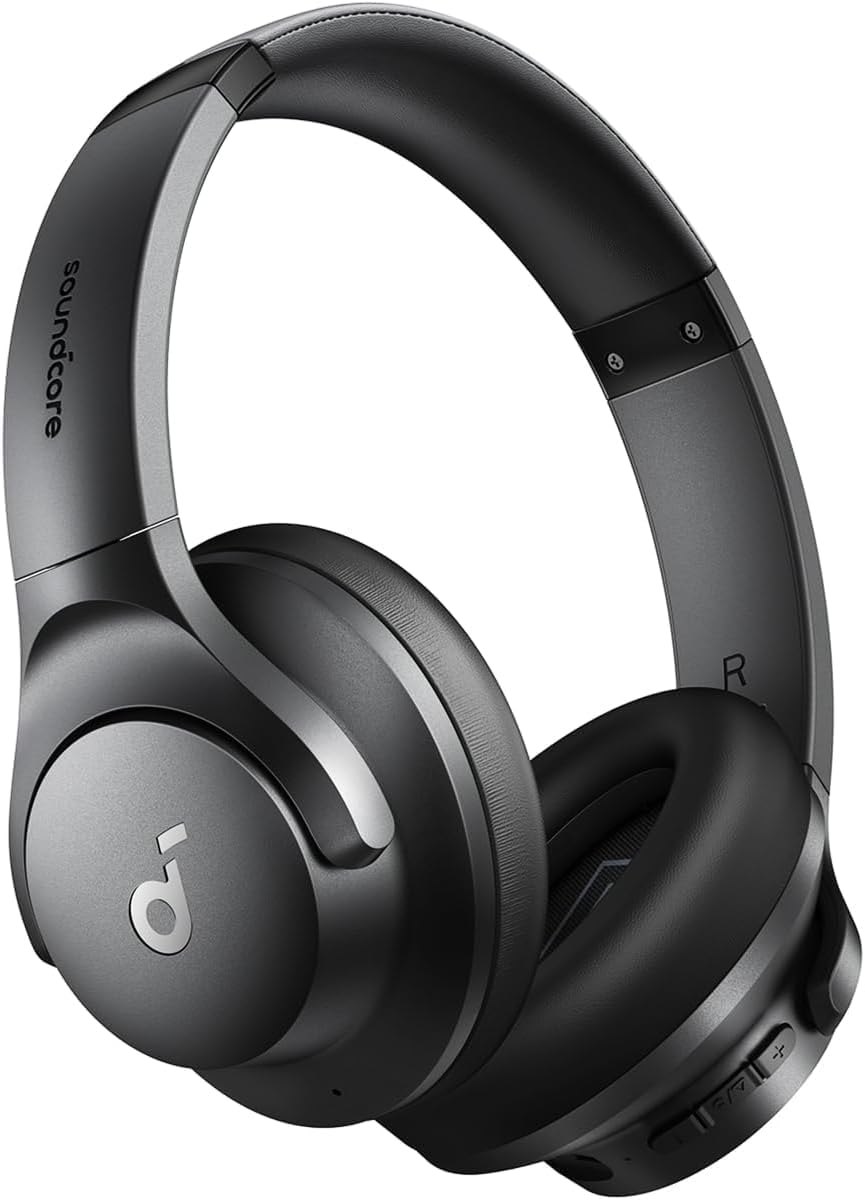
For listeners who care deeply about audio fidelity, the Focal Bathys stands out as a hybrid noise model tuned by a high end French speaker manufacturer. The Focal Bathys headphone offers strong active noise performance while preserving hi-res audio detail via USB-DAC mode and support for SBC, AAC, aptX, and aptX Adaptive, with a focus on balanced tonality rather than exaggerated bass. You can read a detailed test of a similar hybrid active noise cancelling wireless bluetooth headphones model to understand how this category blends long battery life, deep bass, and foldable designs for travel.
Quick comparison snapshot
- Sony WH-1000XM5 – Pros: class-leading ANC, LDAC support, strong app; Cons: non-folding design; Typical price: upper mid-range.
- Bose QuietComfort Ultra – Pros: exceptional comfort, very consistent cancellation, natural transparency; Cons: fewer hi-res codec options; Typical price: premium tier.
- Focal Bathys – Pros: audiophile tuning, USB-DAC mode, solid build; Cons: higher cost, slightly heavier; Typical price: high-end bracket.
Sound quality, bass tuning, and transparency modes
Hybrid ANC technology only shines when the underlying sound quality meets your expectations. A well tuned headphone should deliver controlled bass, clear mids for vocals, and smooth treble that avoids harshness at higher volumes. When brands chase heavy bass at any price, they often mask detail and reduce the sense of space in the audio, which can be fatiguing over long listening sessions.
Look for headphones that keep bass present but not overwhelming, especially when active noise cancellation is enabled. Some wireless ear headphones boost low frequencies when ANC is on, compensating for the psychoacoustic effect of reduced ambient noise, which can make music feel thinner. The best hybrid noise canceling headphones maintain a similar tonal balance whether ANC or transparency mode is active, so your favourite tracks sound consistent on the street and at home; models like the Focal Bathys and Bose QuietComfort Ultra are often praised by reviewers for this stable tuning.
Transparency modes vary widely between products, from slightly muffled to almost natural. A good implementation lets you hear voices and traffic clearly without introducing hiss or altering your own voice too much inside the ear cup. If you plan to wear wireless noise canceling headphones in offices or while walking in busy areas, test how quickly you can switch between full ANC, partial transparency, and normal listening, and whether the external sound level feels realistic rather than overly amplified.
Battery life, wireless performance, and everyday usability
Battery life has become a decisive factor for anyone comparing hybrid ANC headphones. Many current wireless headphones promise between 25 and 40 hours of playback with active noise enabled, which usually covers several days of commuting or a long haul flight plus layovers; for instance, the Sony WH-1000XM5 is rated for up to 30 hours with ANC on, while the Focal Bathys is quoted at around 30 hours in wireless mode in Focal’s documentation. Fast charging is equally valuable, since a 10 minute top up that gives several hours of listening can rescue a busy day when you forget to charge overnight.
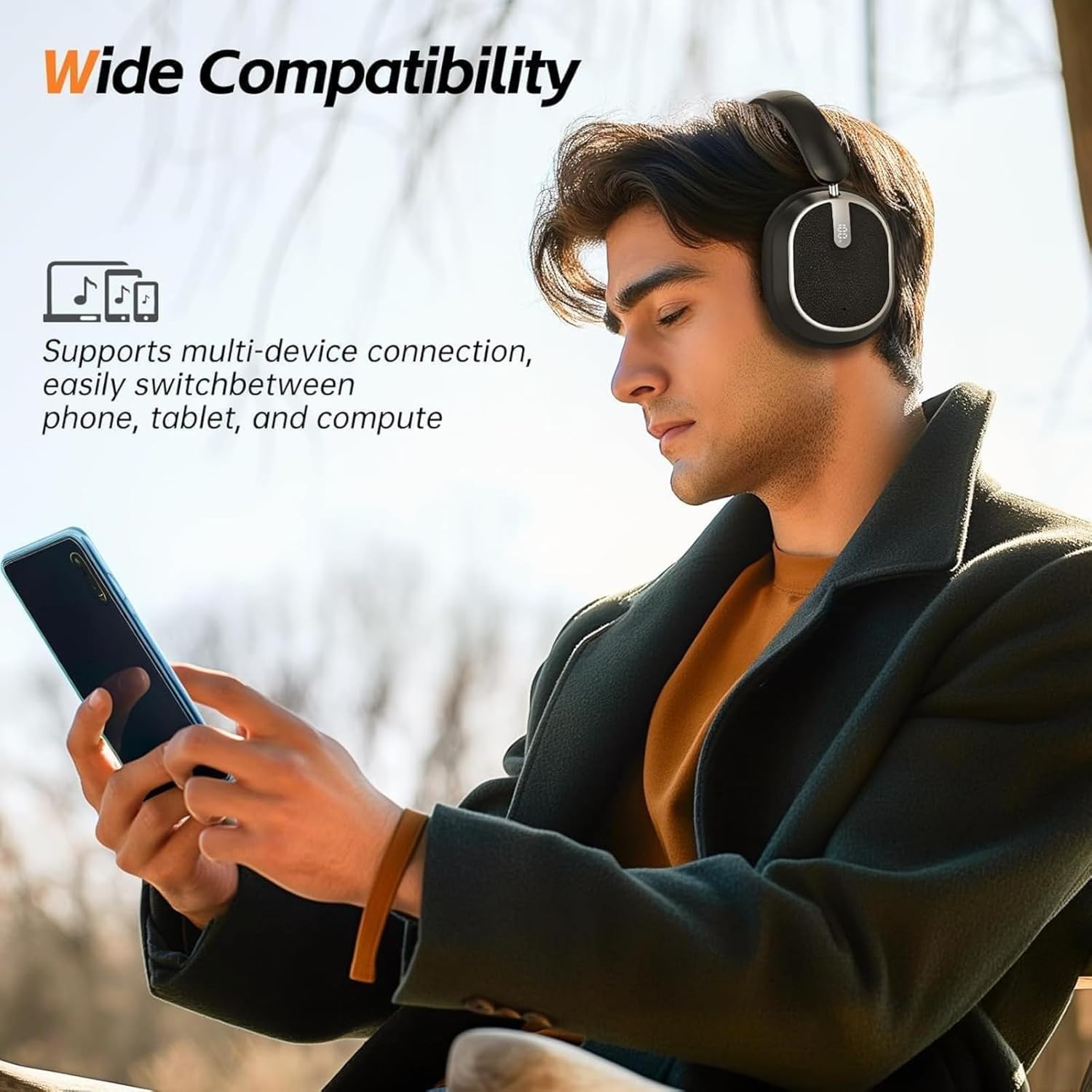
Wireless performance depends on both the bluetooth version and antenna design inside the headphone. Stable connections reduce dropouts and keep audio in sync with video, which matters for streaming films or video calls as much as for music. When you read product pages, pay attention to whether the headphones wireless connection supports multipoint pairing and at least Bluetooth 5.0 or newer, because these features save time when you move between a work laptop and a personal phone and can improve range and reliability.
Usability details often separate good products from the best hybrid noise canceling headphones. Intuitive controls, clear voice prompts, and reliable wear detection make daily use smoother, especially when you take the headphone on and off frequently. For travellers, a compact folding mechanism, a robust case, and a physical switch for active noise or transparency mode can be more valuable than another marginal decibel of cancellation, particularly when you need to react quickly to announcements or conversations.
Balancing price, ratings, and long term value
Price differences between hybrid ANC models reflect more than just brand prestige. Entry level cancelling headphones can offer acceptable noise reduction and wireless convenience, but they may compromise on materials, microphone quality, or long term comfort. Premium models from brands like Sony, Bose, or Focal Bathys usually justify their higher price with better sound, stronger active noise performance, and more durable construction, which can reduce the need for early replacement.
Online ratings expressed in stars provide a quick snapshot of user satisfaction, yet they rarely tell the full story. Read detailed reviews that mention specific use cases such as flights, open offices, or home listening, because these comments reveal how the product behaves beyond the first week. Pay attention to repeated mentions of issues like bluetooth dropouts, ear discomfort, or declining battery life, since these patterns matter more than isolated complaints and often align with independent lab measurements.
When you evaluate long term value, think about how often you will use the headphones and in which environments. A slightly higher upfront price can be reasonable if the headphone delivers reliable noise cancellation, strong sound quality, and stable wireless performance for several years. For many people, the best hybrid noise canceling headphones are those that quietly handle daily tasks without drawing attention to themselves, whether you are on a train, in a café, or working late at home, and that still feel comfortable and functional after heavy use.
Future trends in hybrid noise canceling technology
Hybrid noise canceling headphones are evolving quickly as chipsets and algorithms improve. Newer models use machine learning to analyse patterns of noise in real time, adjusting active noise profiles for aircraft cabins, underground trains, or windy streets. This adaptive approach helps maintain consistent isolation without overpressurising the ear or altering sound quality too aggressively, and it is already appearing in flagship lines from Sony and Bose.
Wireless standards are also moving forward, with features like Auracast broadcast audio promising shared listening experiences in public spaces. For travellers, this means future wireless headphones could tune directly into airport announcements or sports bar televisions without extra hardware, changing how we think about bluetooth audio in crowded environments. A detailed analysis of why broadcast audio may matter more than another decibel of ANC can be found in this article on why broadcast audio matters more than another dB of ANC, which highlights how convenience and accessibility complement pure noise reduction.
As these technologies mature, expect more refined transparency modes and better integration with hearing health features. Some headphones already offer limited hearing test functions, adjusting sound to compensate for mild sensitivity differences between ears. While hybrid active noise systems will keep improving, the real progress will come from products that respect hearing safety, comfort, and audio fidelity in equal measure, encouraging listeners to enjoy lower volumes without sacrificing clarity.
Key figures about hybrid noise canceling headphones
- Market analysts from firms such as Grand View Research estimate that the global headphones and earphones market has reached tens of billions of euros in annual revenue, with noise canceling models representing a rapidly growing share of that total as commuters and remote workers upgrade from basic wired earbuds.
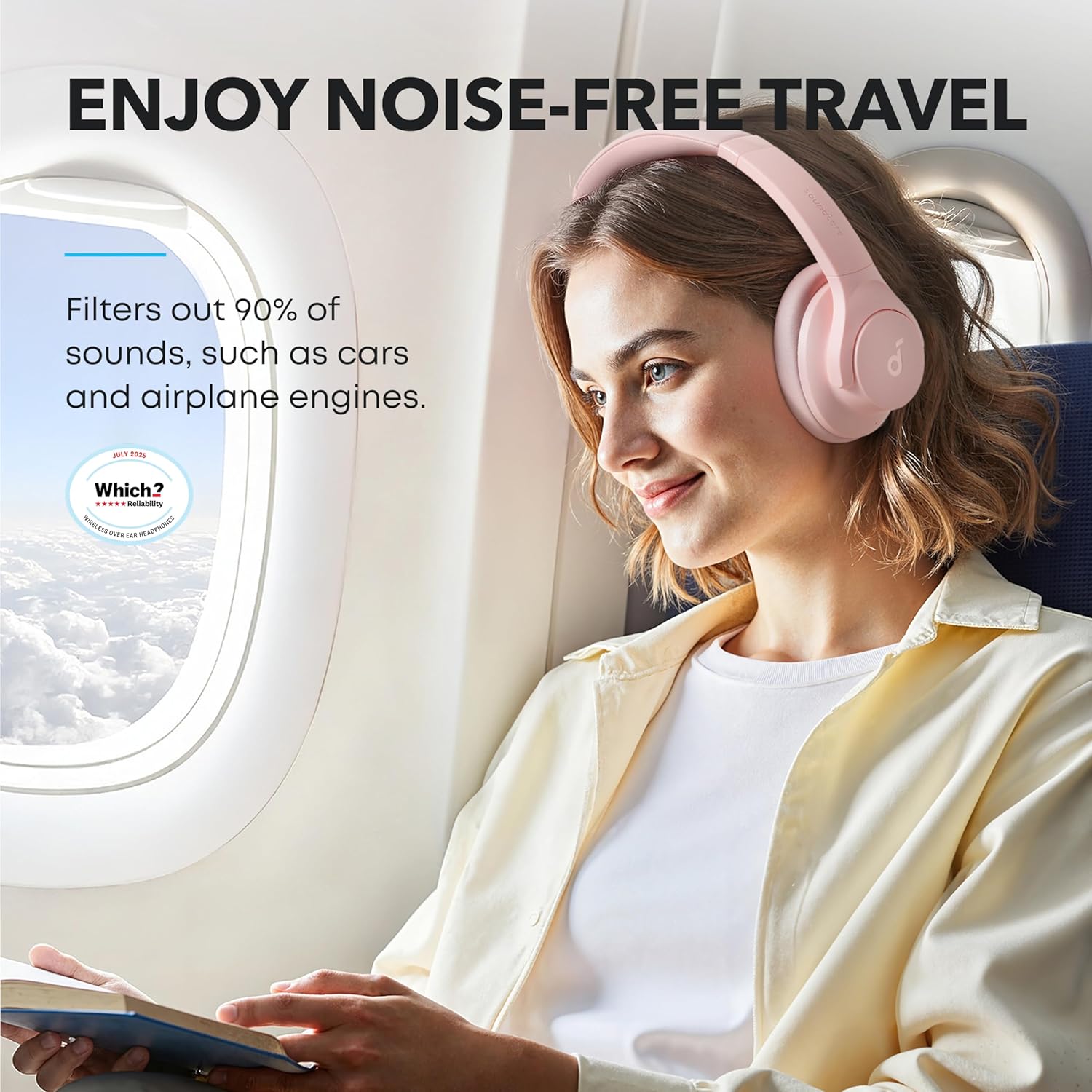
- Independent lab tests on leading hybrid ANC headphones often report low frequency noise reduction of 20 to 30 decibels in aircraft cabins, which corresponds to a perceived halving or more of loudness for engine rumble and air conditioning drones.
- Battery life for premium wireless noise canceling headphones has increased from typical figures around 20 hours a few product generations ago to 30 hours or more with ANC enabled on many current flagships, reducing the need for daily charging and making long haul travel easier.
- Surveys by consumer organisations in Europe show that comfort and sound quality consistently rank above design and brand image, with a majority of respondents naming noise cancellation effectiveness as a top three purchase criterion when choosing over ear or in ear ANC models.
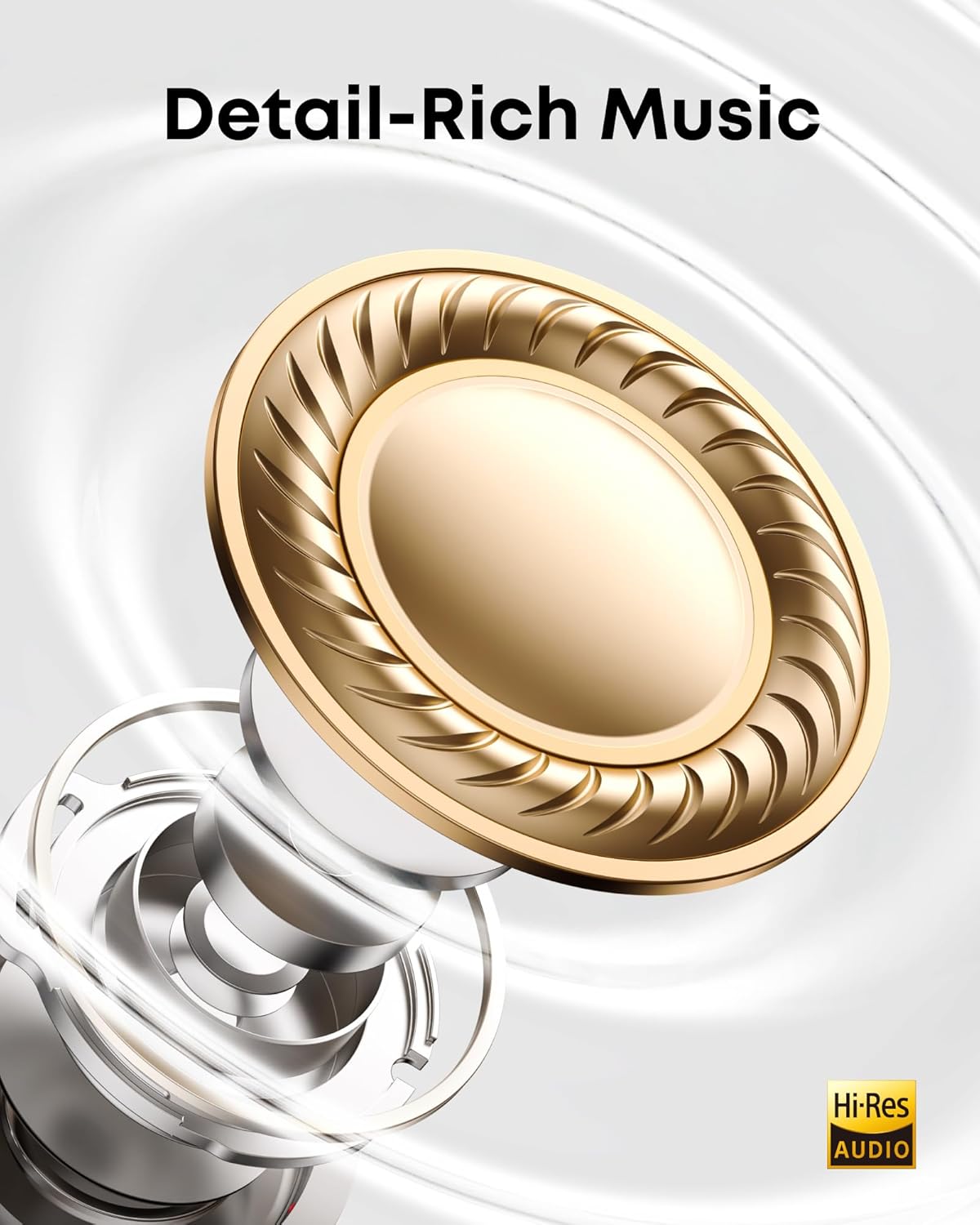
- Measurements from specialist audio publications indicate that some high end models supporting high resolution audio codecs can deliver frequency responses extending beyond 20 kHz, although the practical benefit depends on both the recording and the listener’s hearing and may be less noticeable than improvements in fit or tuning.
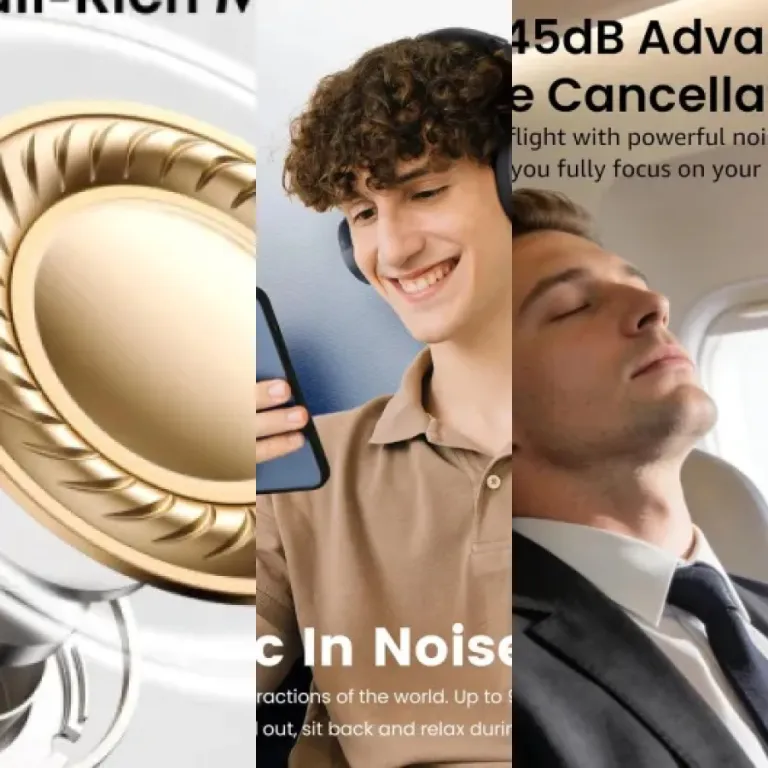
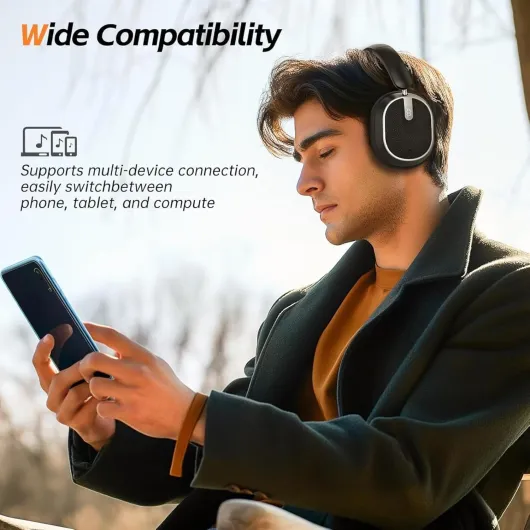


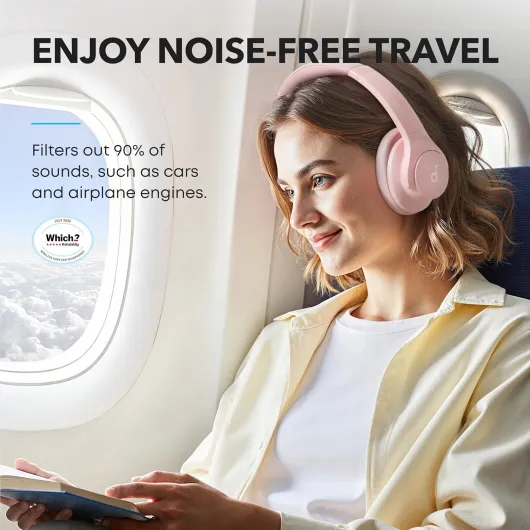
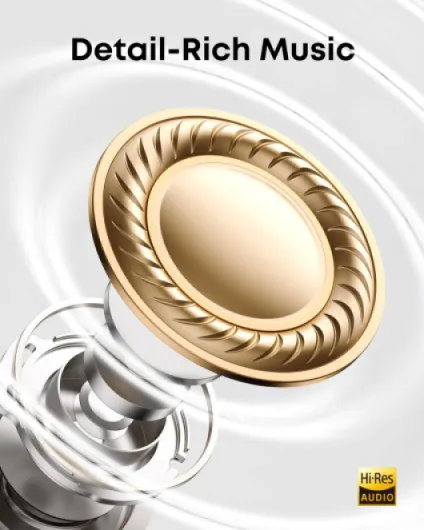
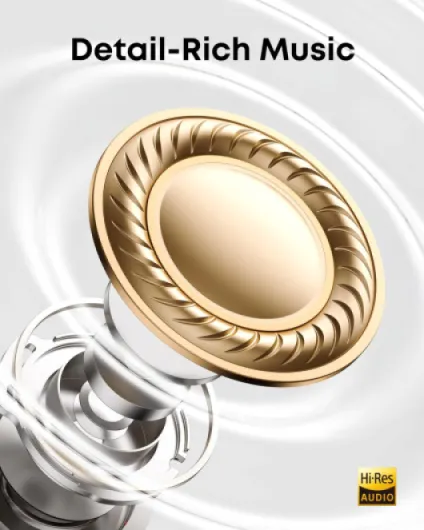
![A10 Hybrid Active Noise Cancelling Headphones [62 Hrs Playtime] Wireless Bluetooth Over Ear Headphones with Hi-Res Audio, Transparency Mode, Deep Bass, CVC 8.0, for Travel PC Home Office Black](https://www.noise-canceling-headphones-guru.com/storage/934629/conversions/710nQBjFHPL._AC_SL1500_-medium.webp)
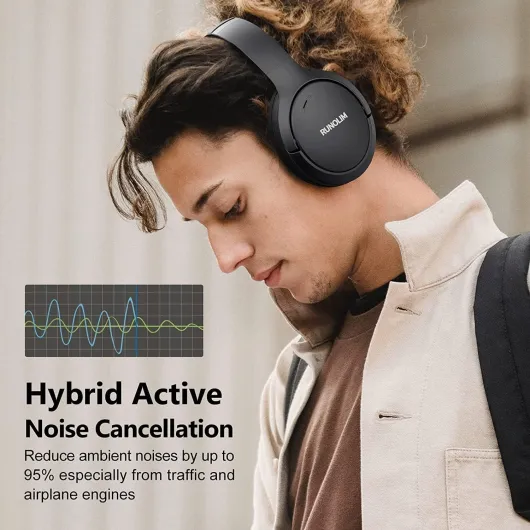

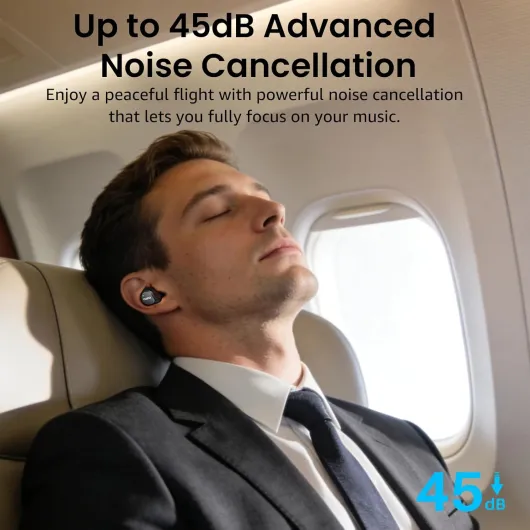
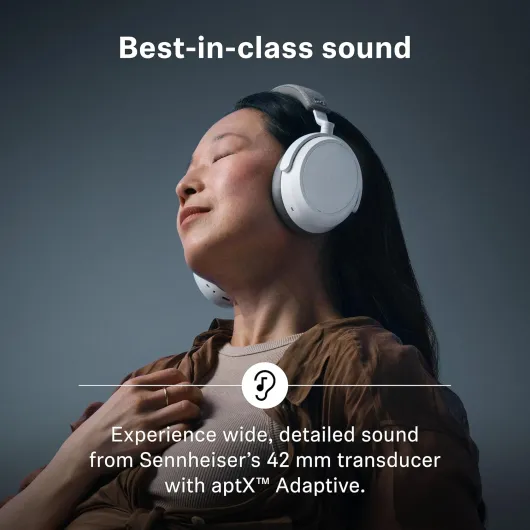
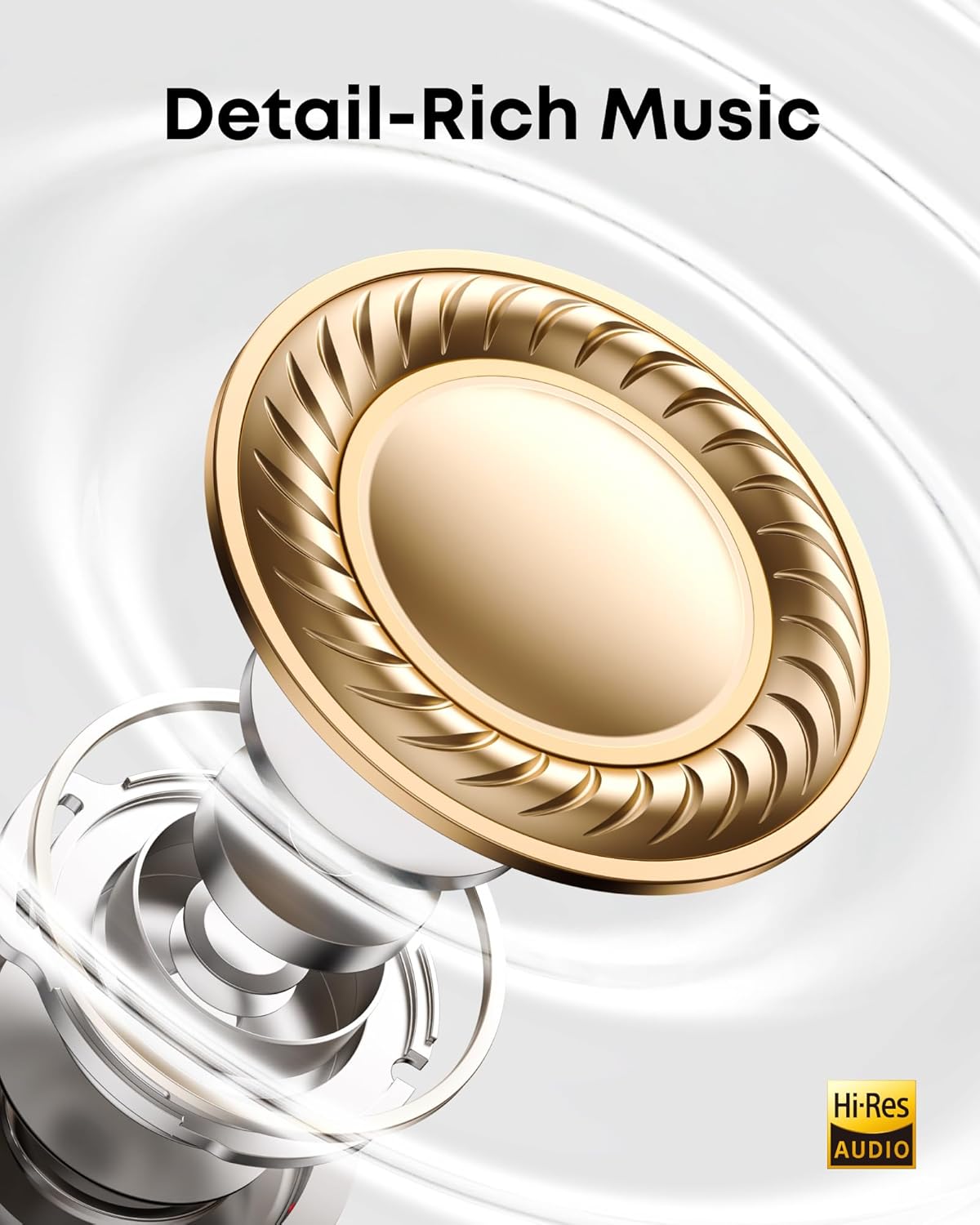
![A10 Hybrid Active Noise Cancelling Headphones [62 Hrs Playtime] Wireless Bluetooth Over Ear Headphones with Hi-Res Audio, Transparency Mode, Deep Bass, CVC 8.0, for Travel PC Home Office Black](https://www.noise-canceling-headphones-guru.com/storage/934629/710nQBjFHPL._AC_SL1500_.jpg)