Key technologies behind modern noise cancelling and transparency modes
Behind every pair of the best noise canceling headphones with transparency mode sits a complex audio engine. Hybrid active systems use microphones both inside and outside the ear to measure noise more accurately. This hybrid active approach improves noise cancelling at different frequencies, especially when the fit around the ear is not perfect.
Active noise algorithms constantly adjust to changing environments. When a bus accelerates or an air conditioning unit starts humming, the headphones update their noise cancellation profile within milliseconds. This responsiveness helps maintain consistent sound quality, so music and podcasts remain clear even as background noise shifts.
Transparency mode depends on similar microphones but different processing. Instead of cancelling, the headphones amplify and shape external audio, aiming for a natural representation of voices and ambient sound. High quality transparency reduces the “hollow” or “tinny” effect that early products sometimes produced.
Wireless connectivity is another pillar of modern cancelling headphones. Bluetooth multipoint allows a single pair of headphones to stay connected with a laptop and a phone simultaneously, switching audio sources automatically. For remote workers, this feature can be as important as deep bass or spatial audio when choosing the best product.
Battery and charging design strongly influence daily usability. Many premium earbuds and over ear models now offer fast charging, giving several hours of battery life from a short plug in. For more guidance on maintaining and replacing worn accessories, you can consult these effective tips for replacing your earphones to keep long term performance stable.
Comparing over ear headphones and earbuds for different listening needs
Choosing the best noise canceling headphones with transparency mode starts with deciding between over ear headphones and earbuds. Over ear designs usually offer stronger passive isolation because the ear cups fully surround the ear. This physical barrier supports active noise systems, improving overall noise cancellation and reducing the workload on the electronics.
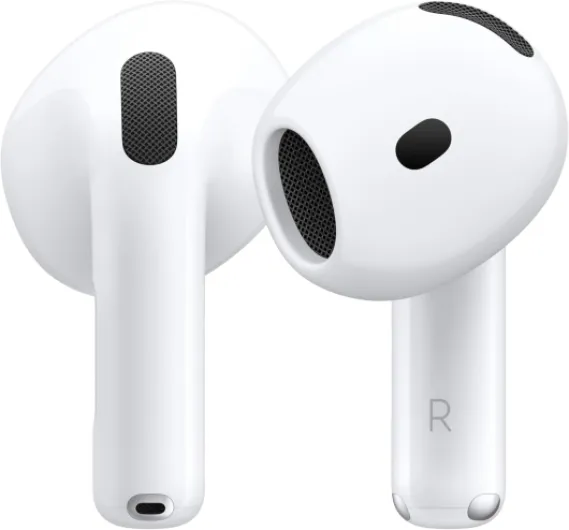
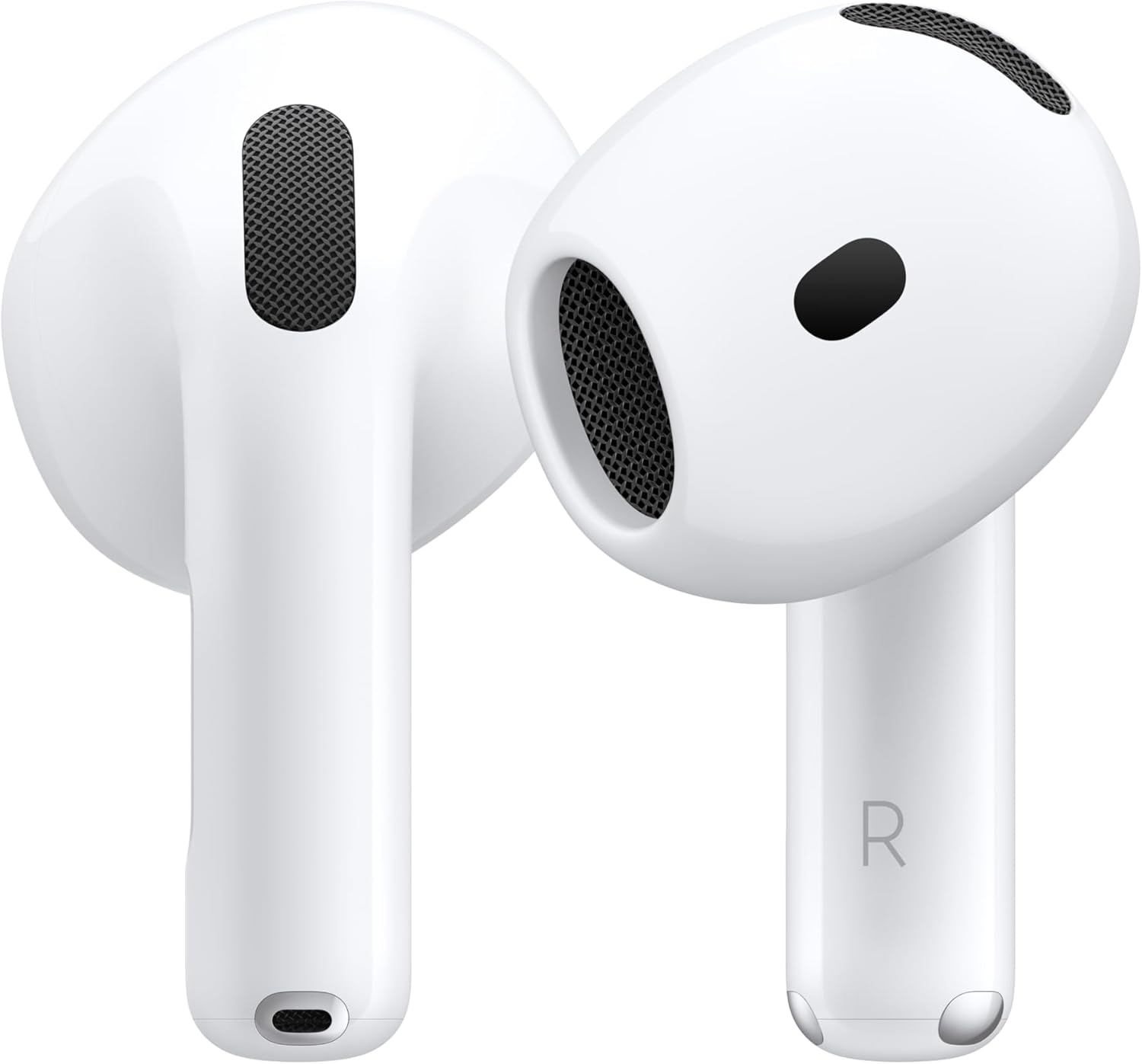
Earbuds, by contrast, rely heavily on the seal inside the ear canal. When the fit is correct, modern earbuds can rival larger cancelling headphones for active noise performance. However, small changes in ear shape or tip size can affect both sound quality and the stability of transparency mode.
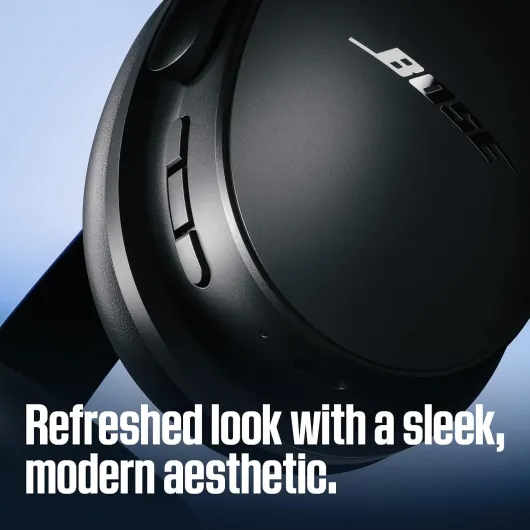
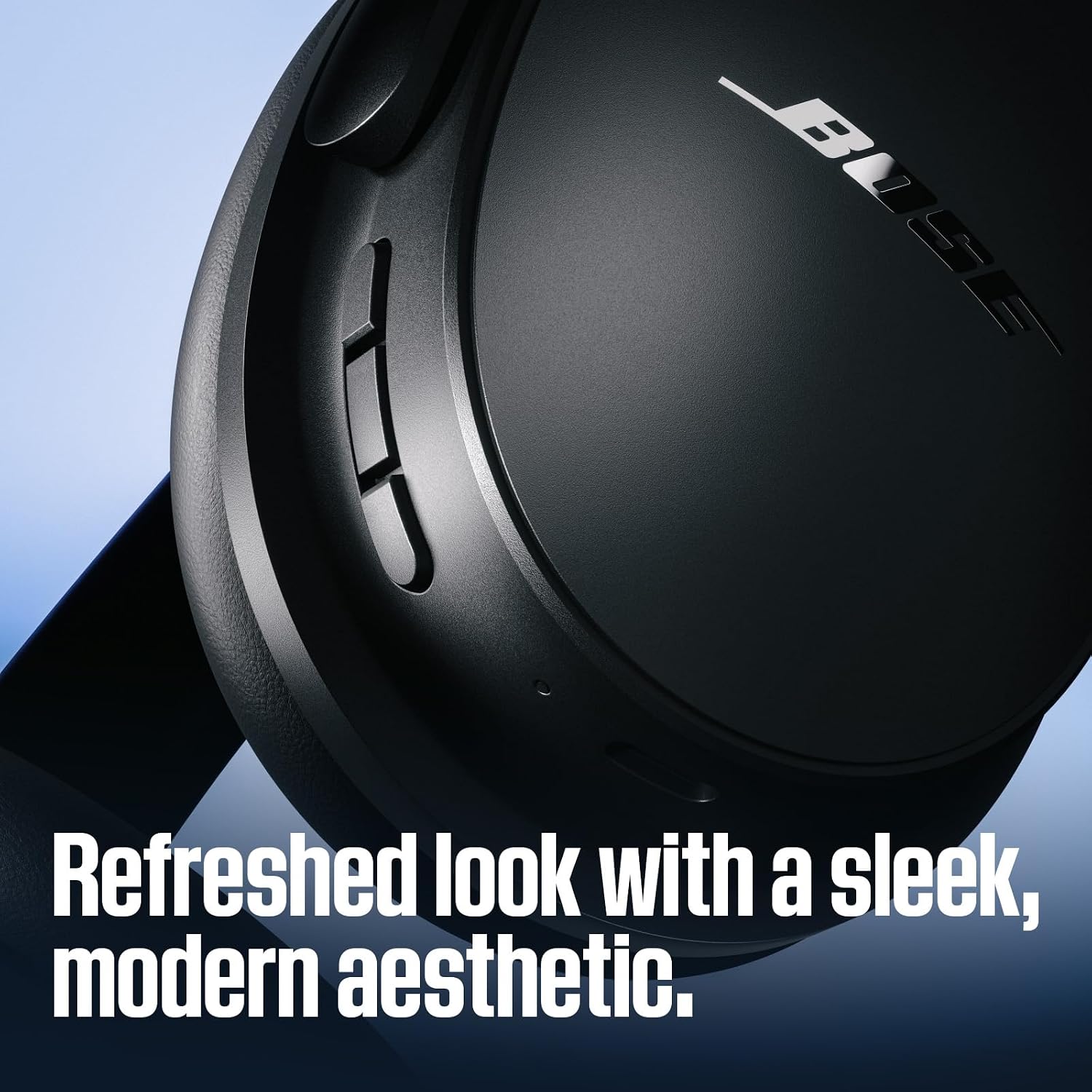
Products like Bose QuietComfort and QuietComfort Ultra headphones prioritize comfort for long sessions. Their ear cushions distribute pressure evenly, which helps when using immersive audio or spatial audio features for films and games. Maintaining these cushions matters, and detailed advice on replacement earpads for headphones can extend both comfort and acoustic performance.
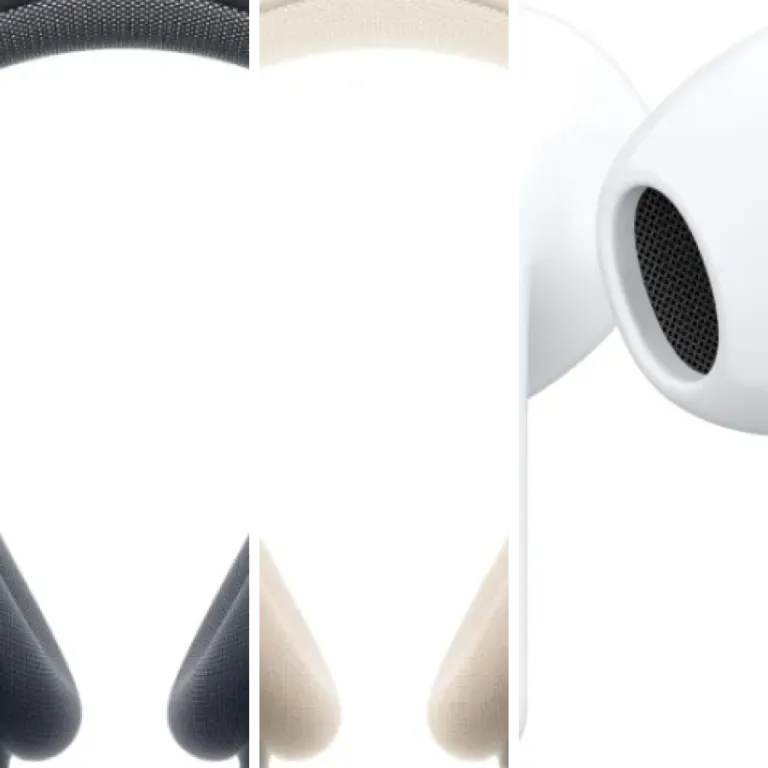
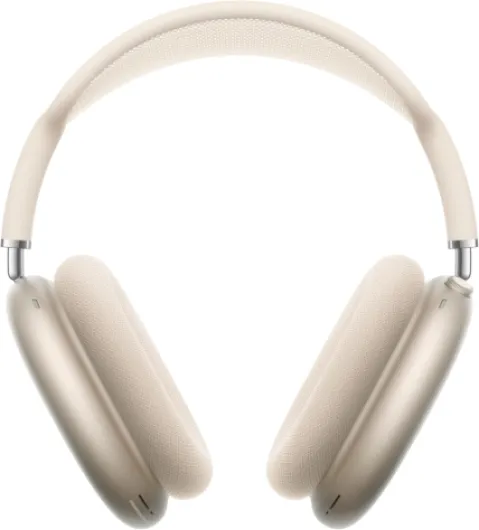
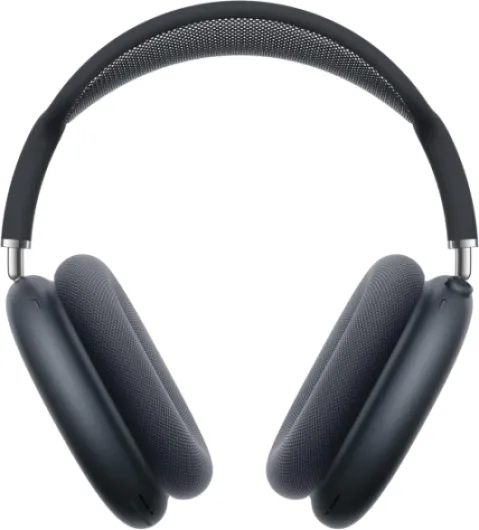
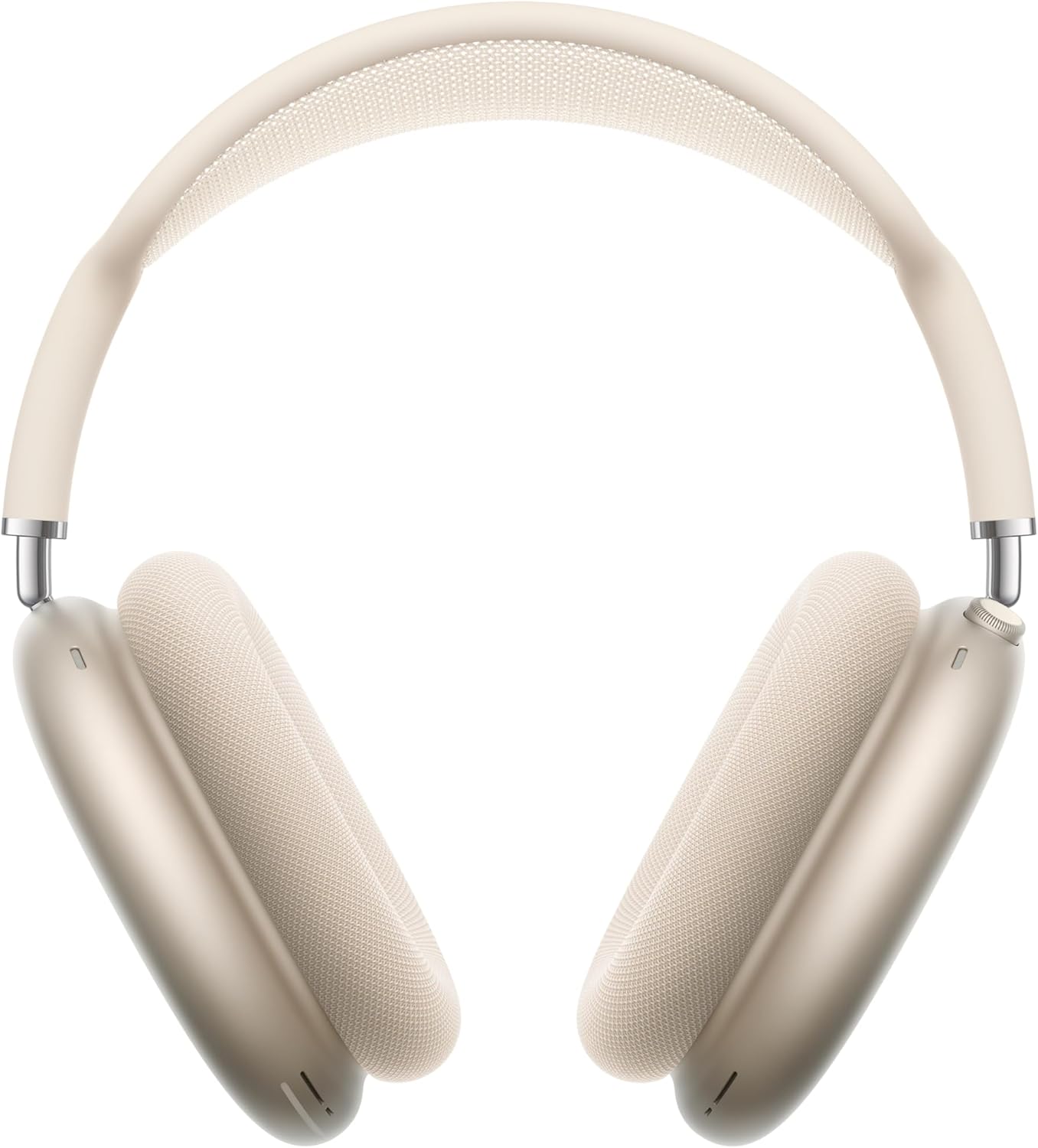
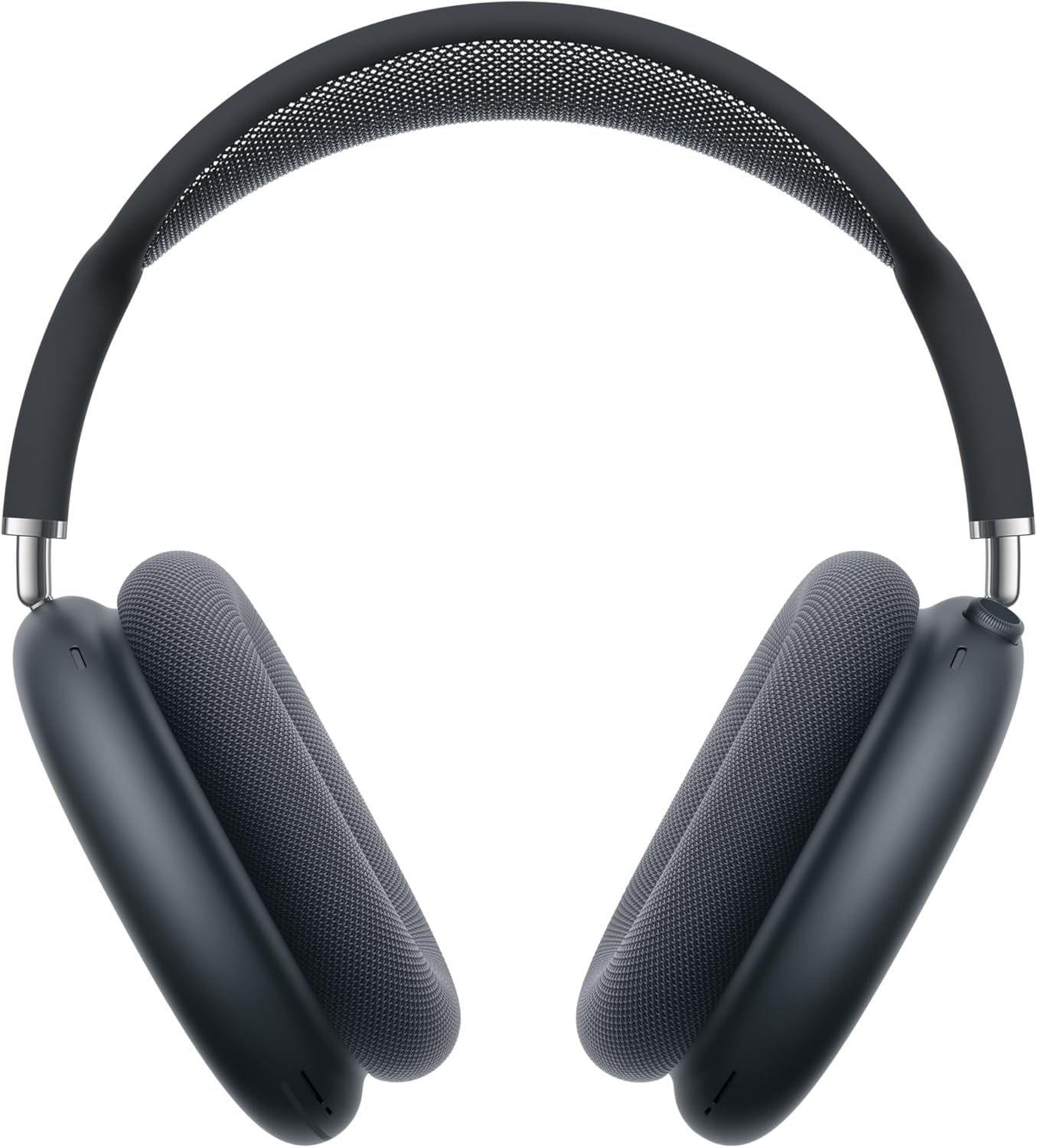
On the earbuds side, models such as AirPods Max are often discussed alongside premium over ear products, even though AirPods Max themselves are full size headphones. This comparison highlights how design, weight, and clamping force affect perceived audio quality and deep bass response. For some listeners, lighter earbuds with strong ANC feel less fatiguing, even if ultimate noise cancelling is slightly weaker.
Price and battery life also differ between categories. Over ear wireless products usually house larger batteries, supporting longer listening with active noise and transparency mode engaged. Earbuds may require more frequent charging, but compact cases and fast top ups help offset this limitation for many users.
Evaluating sound quality, immersive features, and everyday comfort
Sound quality remains central when assessing the best noise canceling headphones with transparency mode. A balanced tuning that respects vocals, instruments, and deep bass usually serves most genres well. Excessive emphasis on low frequencies can mask detail, especially when noise cancellation is active and the ear is already sealed.
Immersive audio and spatial audio technologies attempt to place sounds around the listener. When implemented carefully, these modes can enhance films and games without distorting music. Some ultra headphones allow users to disable spatial processing for critical listening, preserving a more traditional stereo image.
Comfort is not only about soft materials but also about weight distribution and clamp force. Cancelling headphones that press too hard on the ear can cause fatigue, even if the audio quality is excellent. Adjustable headbands, rotating ear cups, and breathable fabrics all contribute to long term wearability.
Transparency mode also influences comfort in subtle ways. Being able to switch quickly between strong noise cancellation and natural ambient sound reduces the need to remove the product repeatedly. This flexibility is particularly valuable for commuters who must hear announcements or for parents who need awareness of children while still enjoying music.
Wireless stability and Bluetooth multipoint further shape daily satisfaction. Reliable connections prevent audio dropouts when moving between rooms or switching from phone calls to video meetings. When combined with solid battery life and a fair price, these practical aspects often matter more than small differences in laboratory measured audio performance.
Battery life, durability, and long term ownership considerations
Battery life is a decisive factor for anyone comparing the best noise canceling headphones with transparency mode. Long lasting batteries support extended workdays, long flights, and frequent switching between active noise and transparency modes. Many modern products quote separate figures for listening with ANC on and off, which helps set realistic expectations.
As batteries age, total battery life gradually decreases, especially in compact earbuds. Some manufacturers design their products so that battery replacement is difficult, effectively limiting the lifespan of the product. Buyers who value sustainability may therefore prioritize headphones with accessible parts and clear service options.
Durability extends beyond the battery to hinges, headbands, and ear cushions. Regular folding and unfolding can stress plastic components, particularly in wireless models carried daily in bags. Reading guidance on choosing the right replacement parts for noise canceling headphones can help maintain both mechanical integrity and audio performance.
Water and sweat resistance ratings also matter for people using cancelling headphones during exercise. While few over ear products are fully waterproof, many earbuds offer protection against light rain and sweat. Checking these specifications carefully prevents damage that might not be covered by standard warranties.
Price should be weighed against expected years of use, not only initial features. A slightly higher price for a robust product with strong noise cancellation, reliable transparency mode, and replaceable parts may offer better long term value. This perspective aligns with a more sustainable approach to audio purchases and reduces electronic waste.
How to choose the right model for your environment and listening style
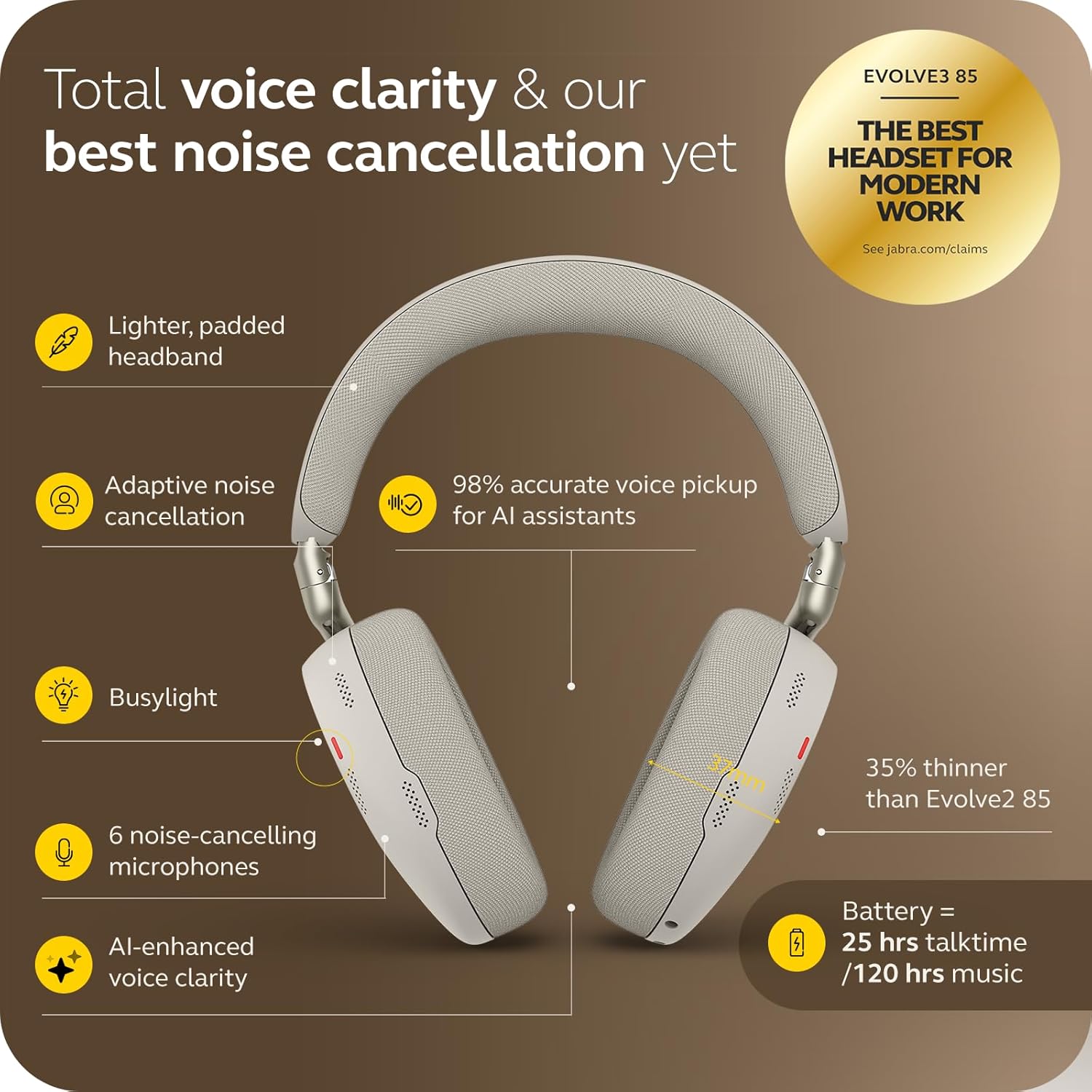
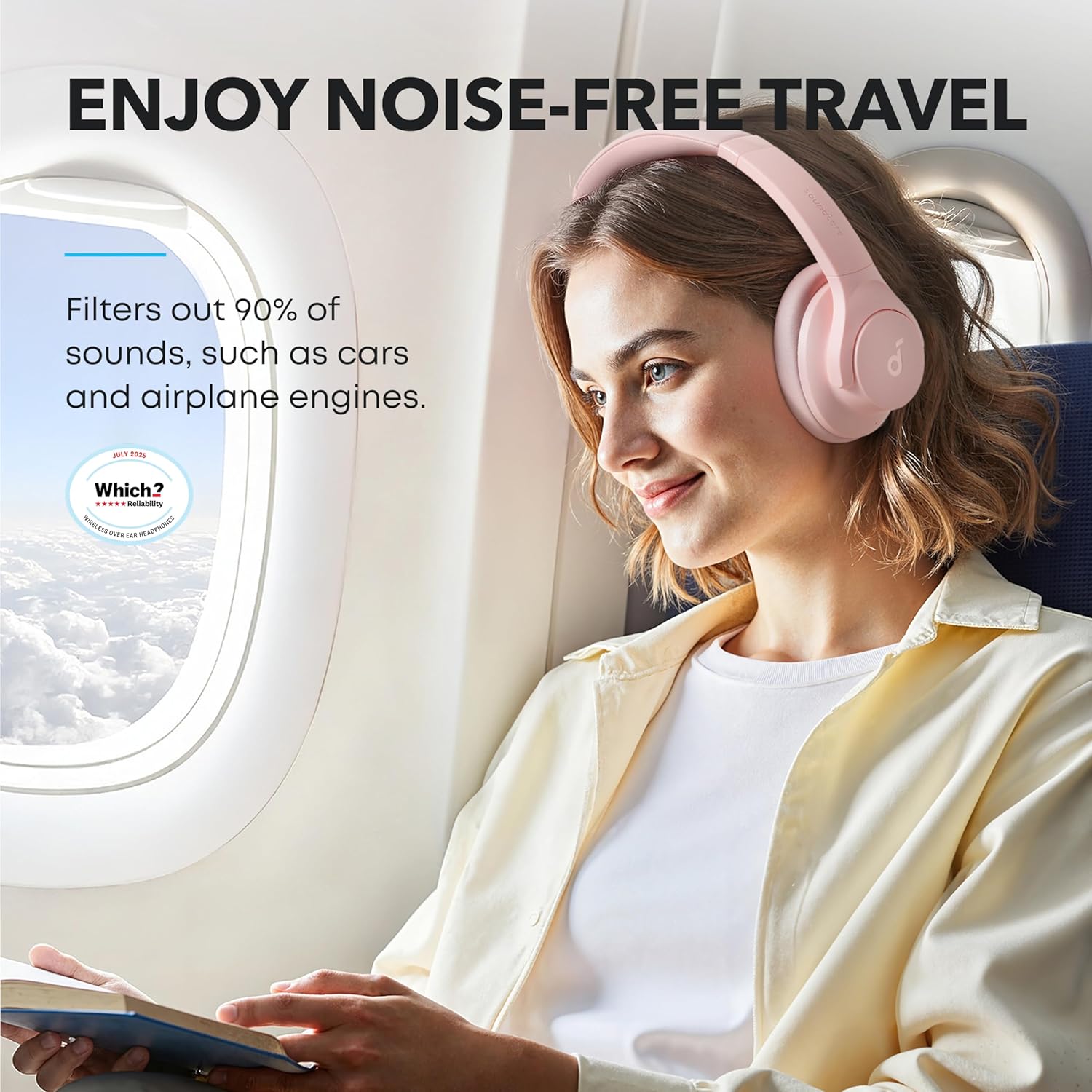
Selecting the best noise canceling headphones with transparency mode begins with your primary environment. Office workers often prioritize clear voice reproduction, stable wireless connections, and comfortable wear for many hours. Commuters and frequent flyers usually focus on strong active noise performance to reduce fatigue from constant low frequency rumble.
For city walkers and cyclists, transparency mode quality becomes critical. A natural representation of ambient sound helps maintain situational awareness while still enjoying music or podcasts. Some products even offer adaptive modes that automatically adjust the balance between noise cancellation and transparency based on detected surroundings.
Music lovers who value sound quality may prefer models with customizable equalizers. These tools allow fine tuning of deep bass, midrange clarity, and treble detail to match personal taste. When combined with immersive audio or spatial audio options, this flexibility can make a single pair of cancelling headphones suitable for many genres.
Brand ecosystems can also influence the decision. Owners of Bose products may appreciate seamless integration between Bose QuietComfort, QuietComfort Ultra headphones, and companion apps. Users invested in AirPods Max or other ecosystem specific devices might prioritize effortless pairing and automatic switching across phones, tablets, and computers.
Finally, consider how often you will use features like Bluetooth multipoint, hybrid active noise control, and advanced transparency mode. If these capabilities align closely with your daily routine, paying a higher price for a premium product can be justified. If your needs are simpler, mid range headphones with solid battery life and competent noise cancellation may represent the best balance of performance and cost.
Key statistics about noise canceling headphones and transparency modes
- Up to 30 dB of low frequency noise reduction is typical for high end active noise systems in over ear headphones.
- Battery life for modern wireless cancelling headphones commonly ranges between 20 and 40 hours with ANC enabled.
- Transparency mode usage can reduce perceived listening fatigue for commuters by allowing lower playback volumes in noisy environments.
- Hybrid active designs using internal and external microphones generally achieve several decibels more noise cancellation than single microphone systems.
- Consumer surveys consistently rank comfort, sound quality, and battery life as the three most important factors when choosing cancelling headphones.
Common questions about the best noise canceling headphones with transparency mode
Are noise canceling headphones safe for long listening sessions ?
Noise canceling headphones are generally safe when used at moderate volumes. Effective noise cancellation and transparency mode can actually encourage lower listening levels because background noise is reduced. The main risk comes from extended exposure to very loud audio, so keeping volume below roughly two thirds of maximum is advisable.
Do transparency modes affect overall sound quality ?
Transparency modes can slightly change perceived sound quality because external microphones and processing are involved. In well designed products, this impact is minimal, and music remains clear while ambient sound is added naturally. Many listeners reserve transparency for conversations and city walking, switching back to full noise cancellation for focused listening.
Is it worth paying more for hybrid active noise cancellation ?
Hybrid active systems usually provide more consistent noise reduction across different environments and ear shapes. For frequent travelers or people working in very noisy spaces, this improvement can justify a higher price. Casual listeners in quieter settings may be satisfied with simpler active noise designs that still offer noticeable benefits.
How important is battery life for everyday users ?
Battery life directly affects how often you must charge your headphones and whether features like ANC and transparency mode can stay enabled all day. For commuters and remote workers, 20 hours or more of wireless listening with noise cancellation active is often ideal. Shorter battery life can be manageable if fast charging is available and charging opportunities are frequent.
Can one pair of headphones work well for both music and calls ?
Many of the best noise canceling headphones with transparency mode are designed to handle both music and calls effectively. Look for products with clear microphone performance, stable wireless connections, and easy switching between devices. When these elements combine with solid sound quality, a single pair can serve as a versatile tool for work, travel, and leisure.
Trusted references for further reading include Bose, Sony, and Apple support documentation.