

Understanding the basics of dac and amplifier
What is a DAC and Why Does It Matter?
If you enjoy listening to music on your headphones, you may have come across the term DAC. A DAC, or digital-to-analog converter, is a device that transforms digital audio signals from your phone, computer, or music streamer into the analog signals your headphones or speakers need to produce sound. Every digital device that plays music has a built-in DAC, but not all DACs are created equal. The quality of this conversion process can have a noticeable impact on your listening experience, especially with high quality noise canceling headphones.
Understanding Amplifiers in the Headphone World
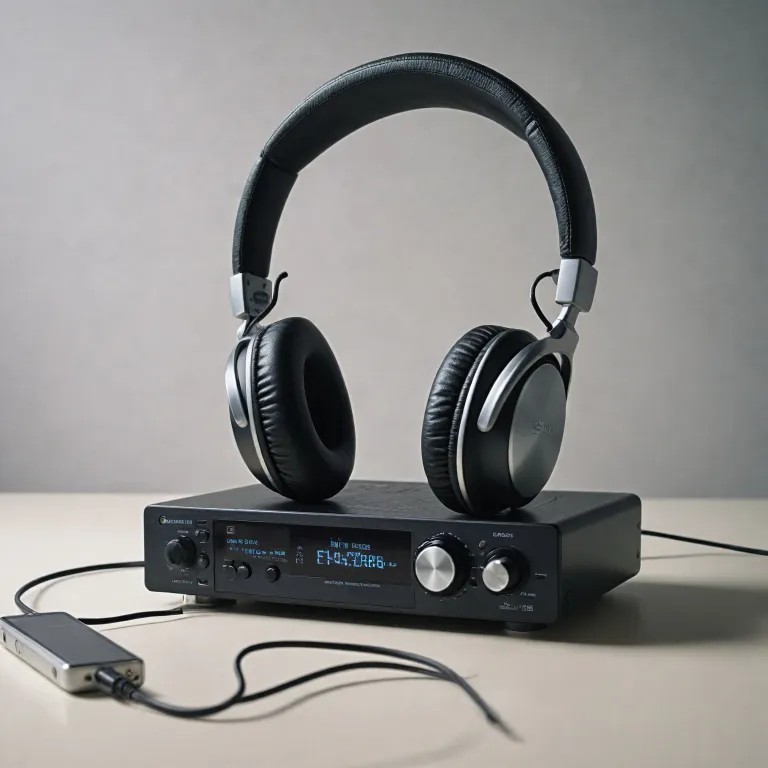
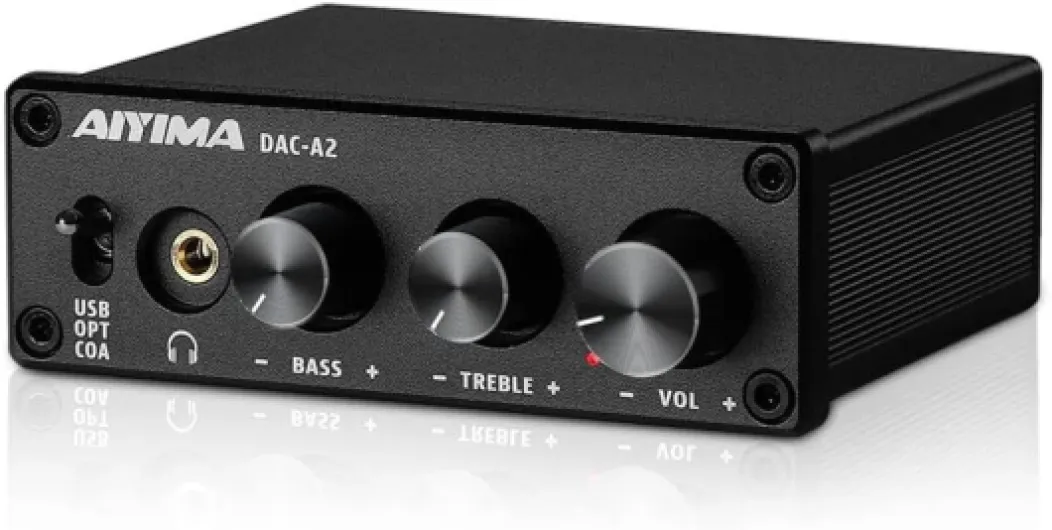
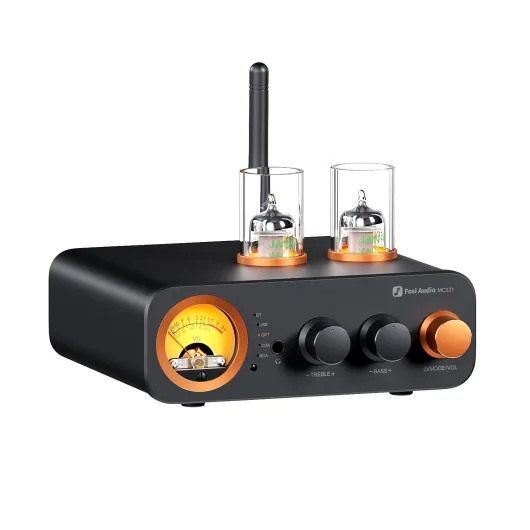
Alongside DACs, amplifiers (often called amps or headphone amplifiers) play a crucial role in audio. An amplifier boosts the analog signal from the DAC, providing the power needed to drive your headphones. This is especially important for headphones with higher impedance, which require more power to reach their full potential. Amplifiers can be found in many forms, from compact portable dacs and combo units to larger desktop dac and speaker amps.
Types of DACs and Amplifiers: Portable vs Desktop
When exploring DACs and amplifiers, you’ll notice two main categories: portable and desktop. Portable DACs and amps are designed for on-the-go use, often connecting via USB type-C or Lightning to your device. They’re perfect for improving sound quality from your phone or laptop without adding much bulk. Desktop DACs and headphone amps, on the other hand, are larger and offer more power, making them ideal for home or office setups where you want the best possible audio performance.
Why Should You Care?
Many people wonder if investing in a separate DAC or amplifier is worth it, especially when their headphones already sound good. The truth is, external DACs and amps can reveal details in your digital music that built-in components might miss. They can also provide enough power for demanding headphones, ensuring you get the most out of your investment. If you’re curious about how a headphone DAC enhances your noise canceling headphones, it’s worth reading more on the topic to see real-world benefits.
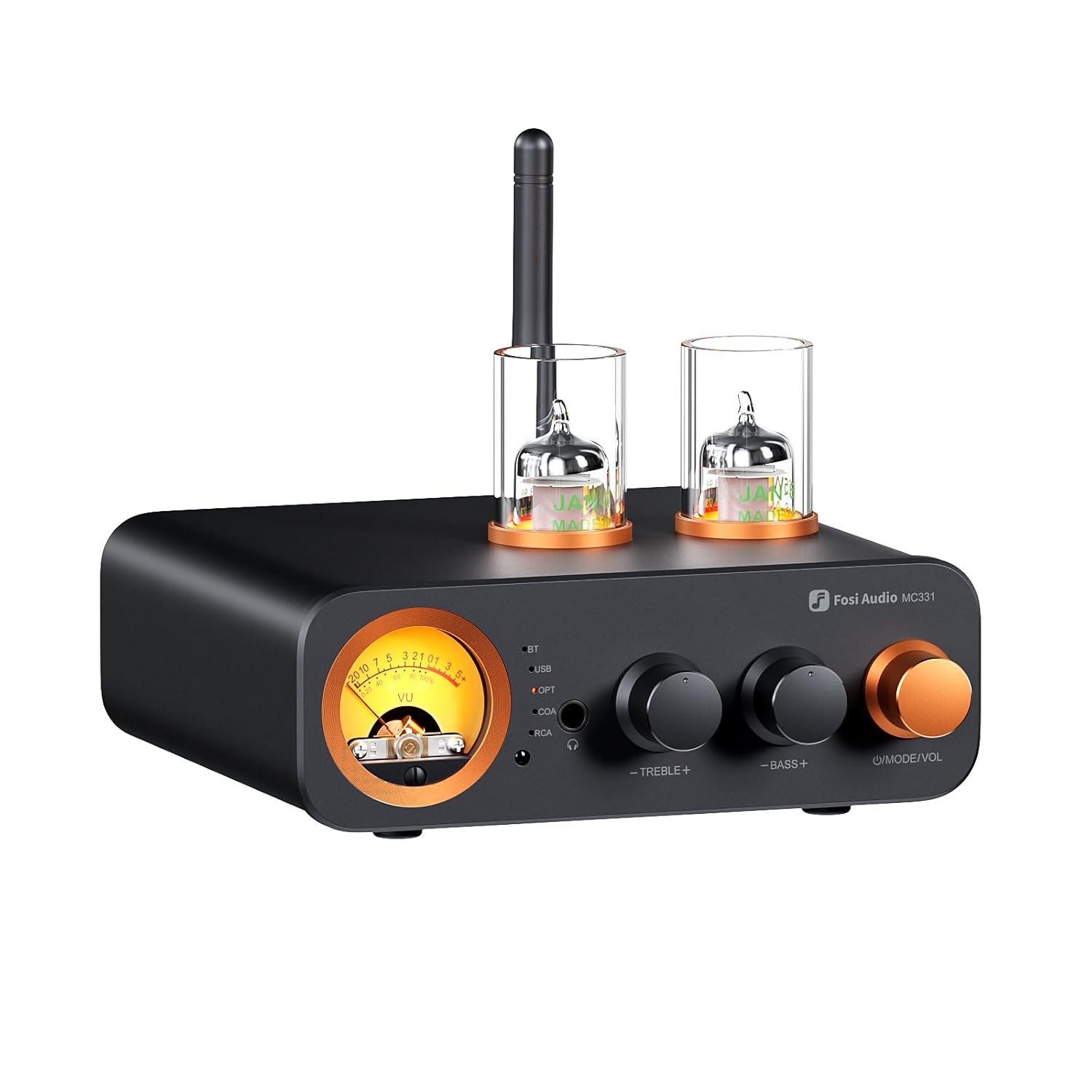
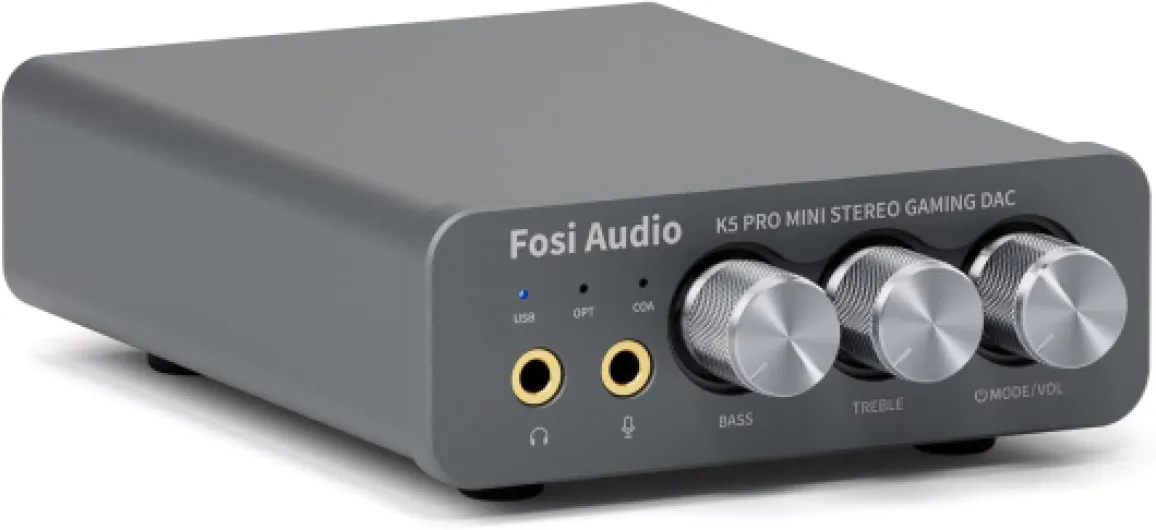
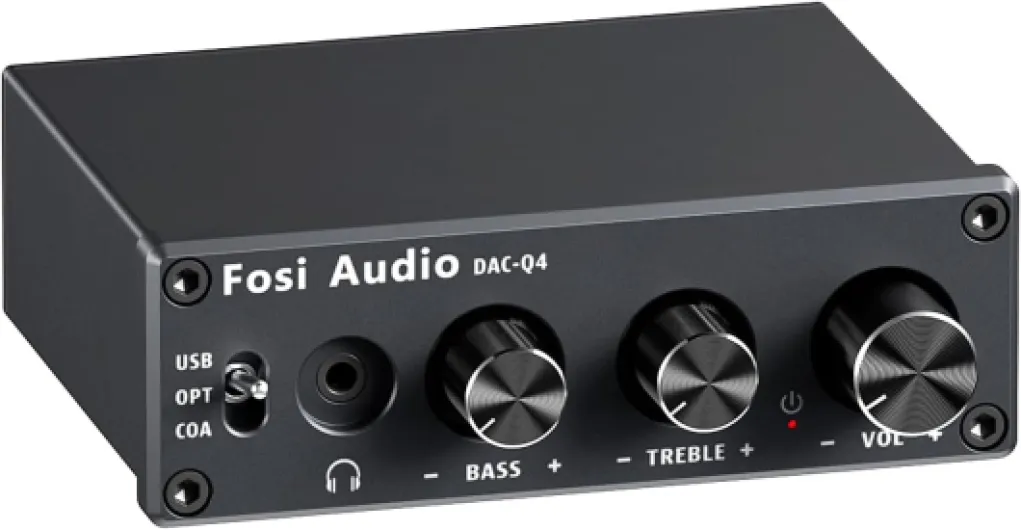
As you read on, you’ll discover how these devices interact with noise canceling headphones, what improvements you can expect in sound quality, and how to choose the best setup for your needs. Whether you’re using a Fosi Audio amp, an ifi audio portable DAC, or exploring the best portable options, understanding these basics is the first step to a better audio experience.

Why noise canceling headphones benefit from external dac and amplifier
Why External Devices Matter for Noise Canceling Headphones
Many people believe that noise canceling headphones already deliver the best possible audio, but there’s more to the story. The built-in digital-to-analog converters (DACs) and amplifiers inside most headphones are often designed for convenience and battery life, not for high quality sound. When you add an external DAC and amplifier, you unlock the true potential of your headphones and enjoy a richer, more immersive listening experience.
- Better audio clarity: External DACs process digital music with greater accuracy, reducing distortion and revealing details you might miss with standard headphone outputs.
- More power for demanding headphones: Many high-end headphones need more power than a phone or laptop can provide. A dedicated headphone amplifier ensures your headphones get the right amount of power, resulting in deeper bass and clearer highs.
- Consistent sound across devices: Using a portable DAC or desktop DAC means your music sounds the same whether you’re plugged into a laptop, desktop, or portable device. This consistency is key for anyone who values high quality sound.
- Improved noise canceling performance: A clean, powerful signal from a quality DAC and amplifier can help your headphones’ noise canceling circuitry work more effectively, especially in challenging environments.
Whether you’re using speakers headphones, best portable DACs, or a desktop amp, the right combination can transform your music streamers and digital audio experience. If you want to dive deeper into how a DAC to analog converter enhances your noise canceling headphone experience, read this detailed guide for more insights.
It’s important to remember that not all DACs and amps are created equal. Some combo units, like those from Fosi Audio or iFi Audio, are designed specifically for headphone use, while others are better suited for speaker amps. Choosing the best device for your needs depends on your listening habits, the type of headphones you own, and whether you prefer portable or desktop solutions. This will be covered in more detail in the next section.
How a dac and amplifier affect sound quality
What Happens to Your Music When Using a DAC and Amplifier?
When you listen to music on your noise canceling headphones, the quality of the audio signal matters as much as the headphones themselves. A digital-to-analog converter (DAC) and an amplifier work together to make sure you get the most out of your headphones, whether you’re using a portable device or a desktop setup. Here’s how they affect your listening experience:
- Cleaner Sound: A dedicated DAC processes digital music files with greater accuracy than most built-in smartphone or laptop chips. This means less unwanted noise and distortion, so you hear more of the music and less of the background hiss or static.
- More Power for Demanding Headphones: Some noise canceling headphones, especially high quality models, need more power to perform at their best. A headphone amplifier gives your headphones the boost they need, delivering full dynamics and punchy bass without strain.
- Improved Detail and Clarity: With a good DAC and amp combo, subtle details in your favorite tracks become more noticeable. Instruments sound more natural, vocals are clearer, and the overall soundstage opens up, making it easier to pick out individual elements in complex recordings.
- Consistent Performance Across Devices: Whether you’re using a desktop DAC, a portable DAC, or a USB type device, you’ll get reliable sound quality. This is especially important if you switch between music streamers, laptops, or smartphones.
For those who want to maximize their noise canceling headphone experience, investing in a quality DAC headphone amp setup can make a noticeable difference. Many users find that even the best portable dacs or desktop dacs, like those from Fosi Audio or iFi Audio, outperform the built-in audio chips found in most devices.
It’s also worth noting that some combo units combine both a DAC and amplifier in one device, making them a convenient choice for speakers headphones or for those who want a simple upgrade path. If you’re curious about how a dedicated music player can further enhance your digital audio experience, check out this guide on why the FiiO MP3 player is a smart choice for audiophiles.
Ultimately, a high quality DAC and amplifier setup ensures that every time you read, work, or relax with your favorite music, you’re getting the best sound quality your headphones can deliver.
Choosing the right dac and amplifier for your headphones
Key factors to consider when selecting audio gear
When choosing a dac and amplifier for your noise canceling headphones, it’s important to match your gear to your listening habits and devices. Not all dacs and amps are created equal, and the best option depends on how and where you listen to music. Here are some essential points to help you make the right choice:
- Compatibility: Make sure your dac and amplifier are compatible with your headphones. Some headphones require more power, so check the impedance and sensitivity ratings. For example, a headphone amp with enough output is crucial for high-impedance headphones.
- Portability: If you listen on the go, look for portable dacs and headphone amps. These are compact, often powered via usb type connections, and easy to carry. For desktop listening, a desktop dac or combo unit might offer better sound quality and more features.
- Connection type: Consider how you’ll connect your devices. Many portable dacs use usb or usb type-c, while desktop dacs may offer optical, coaxial, or RCA inputs. Make sure your device supports the connection you need.
- Power output: The amplifier’s power should match your headphones’ requirements. Underpowered amps can result in weak sound, while too much power can damage sensitive headphones.
- Sound signature: Different dacs and amps can subtly shape your audio. Some offer a neutral sound, while others add warmth or brightness. Reading reviews and trying out different models can help you find the best match for your music preferences.
- Features: Some dacs and amps come with extra features like built-in equalizers, Bluetooth connectivity, or support for high-resolution digital audio formats. Decide which features matter most for your listening experience.
Popular options for every setup
For portable listening, brands like ifi audio and fosi audio offer some of the best portable dacs and headphone amps. These devices are designed for convenience without sacrificing sound quality. If you’re building a desktop setup, desktop dacs and speaker amps can drive both speakers and headphones, making them versatile for any audio environment.
Combo units that combine a dac and amplifier in one device are a practical choice for many users. They simplify your setup and often deliver high quality sound for both music and digital audio streaming. Whether you’re listening to music streamers or enjoying digital music files, the right dac headphone amp can make a noticeable difference in your sound read experience.
Tips for making the best choice
- Read user reviews and professional opinions to get a sense of real-world performance.
- Consider future upgrades—choose a device that can grow with your audio needs.
- Test with your own headphones if possible, as synergy between gear can affect sound quality.
Taking the time to match your headphones with the right dac and amplifier will ensure you get the most out of your noise canceling headphones, whether you’re at your desk or on the move.
Setting up your dac and amplifier with noise canceling headphones
Connecting Your DAC and Amplifier to Headphones
Getting the most out of your noise canceling headphones with a DAC and amplifier setup is easier than it sounds. The process varies depending on whether you use a desktop or portable device, but the core steps are similar. Here’s a practical guide to help you start listening to high quality digital audio with your favorite headphones.
- Check compatibility: Make sure your headphones, DAC, and amplifier are compatible. Some noise canceling headphones work best with a headphone amp or a combo unit, while others may require a specific USB type or input connection.
- Connect your DAC: For desktop setups, plug your DAC into your computer or digital music streamer using a USB cable. Portable DACs often connect to smartphones or tablets via USB or Lightning ports. Ensure your device recognizes the DAC for digital audio output.
- Link the amplifier: If you’re using a separate headphone amplifier, connect the DAC’s output to the amp’s input. Many desktop DACs and portable dacs have a dedicated line out for this purpose. Some units, like the best portable combo units, integrate both functions, simplifying the setup.
- Connect your headphones: Plug your noise canceling headphones into the headphone amp’s output. For some models, especially those with detachable cables, use the highest quality cable available to maintain sound quality.
- Power up: Turn on your DAC and amplifier. Adjust the volume on the amp, not the source device, to avoid distortion or damage to your headphones.
Tips for a Smooth Setup
- Use high quality cables to reduce interference and preserve audio fidelity.
- When using portable dacs, check battery life before long listening sessions.
- For desktop dac and headphone amps, ensure your power supply is stable and grounded.
- Some noise canceling headphones may bypass external dacs when used wirelessly. For the best sound, use a wired connection whenever possible.
Optimizing Your Listening Experience
Once everything is connected, play your favorite digital music and adjust the amp’s gain or volume to suit your headphones. If you’re using speakers headphones or switching between speakers and headphones, some desktop units let you toggle outputs easily. Brands like Fosi Audio and iFi Audio offer user-friendly controls for this purpose.
Take time to experiment with different settings. Each headphone amp and DAC headphone combo can bring out unique qualities in your music streamers and audio files. With the right setup, you’ll notice improvements in clarity, detail, and overall sound quality, making your listening time more enjoyable.
Common myths and mistakes about dac and amplifier use
Misconceptions About Dacs and Amplifiers with Noise Canceling Headphones
When it comes to using a dac or amplifier with noise canceling headphones, there are several myths and misunderstandings that can lead to confusion. Let’s clear up some of the most common ones so you can make informed decisions about your audio setup.
- "All dacs and amps sound the same": Not true. Different dacs and headphone amps use different components and designs, which can affect the sound quality, detail, and overall listening experience. For example, a portable dac may offer a different sound signature compared to a desktop dac or a combo unit.
- "Noise canceling headphones don’t benefit from external dacs or amps": Many believe that because these headphones are designed for convenience, there’s no need for a separate dac or amplifier. In reality, using a high quality dac headphone amp can reveal more detail in your digital music and provide better power for demanding headphones.
- "More power is always better": While power is important, especially for high-impedance headphones, too much power from a speaker amp or a desktop amplifier can actually damage sensitive headphones. It’s crucial to match your device’s output to your headphones’ requirements.
- "Any usb dac will do": The best portable dacs or desktop dacs are designed to handle high-resolution audio and provide a clean signal. Not all usb type dacs are created equal, and some may introduce noise or not support your preferred music streamers.
- "Dacs and amps are only for audiophiles": Even if you’re just starting to read about audio gear, a simple portable dac or headphone amplifier can make a noticeable difference in your music listening, especially if you use high quality speakers headphones or want to get the most from your digital audio device.
Common Setup Errors to Avoid
- Incorrect connections: Double-check your cables and ports, especially when using usb type or portable dacs. Using the wrong input or output can result in no sound or poor sound quality.
- Ignoring gain settings: Many headphone amps and combo units have gain switches. Setting the gain too high can cause distortion, while too low may not provide enough power for your headphones.
- Overlooking firmware updates: Some modern dacs, like those from ifi audio or fosi audio, require firmware updates to ensure compatibility with the latest devices and digital music formats.
- Not considering portability: If you move between desktop and portable listening, choosing the best portable dac or a compact headphone amp can make your setup more flexible and enjoyable over time.
By understanding these myths and avoiding common mistakes, you’ll get the best possible sound quality from your noise canceling headphones, whether you’re listening at your desk or on the go.