

Understanding the role of a guitar headphone preamp
Why a Dedicated Headphone Preamp Matters for Guitar Practice
Practicing guitar silently is more than just plugging your instrument into any headphone amp. A dedicated guitar headphone preamp shapes your sound, manages gain, and lets you experience the nuances of your effects and amp tones without disturbing others. Unlike standard headphone amplifiers, these devices are designed to handle the unique signal from a guitar, offering a more authentic and dynamic playing experience. Whether you’re using classic pedals, a modern amp modeler, or Bluetooth-enabled gear, the right preamp ensures your practice sessions are productive and enjoyable.
- Sound Shaping: Guitar headphone preamps often include built-in amps effects, EQ controls, and even amp simulations. This means you can dial in your favorite Fender clean tones or high gain distortion, just like you would with a full amplifier setup.
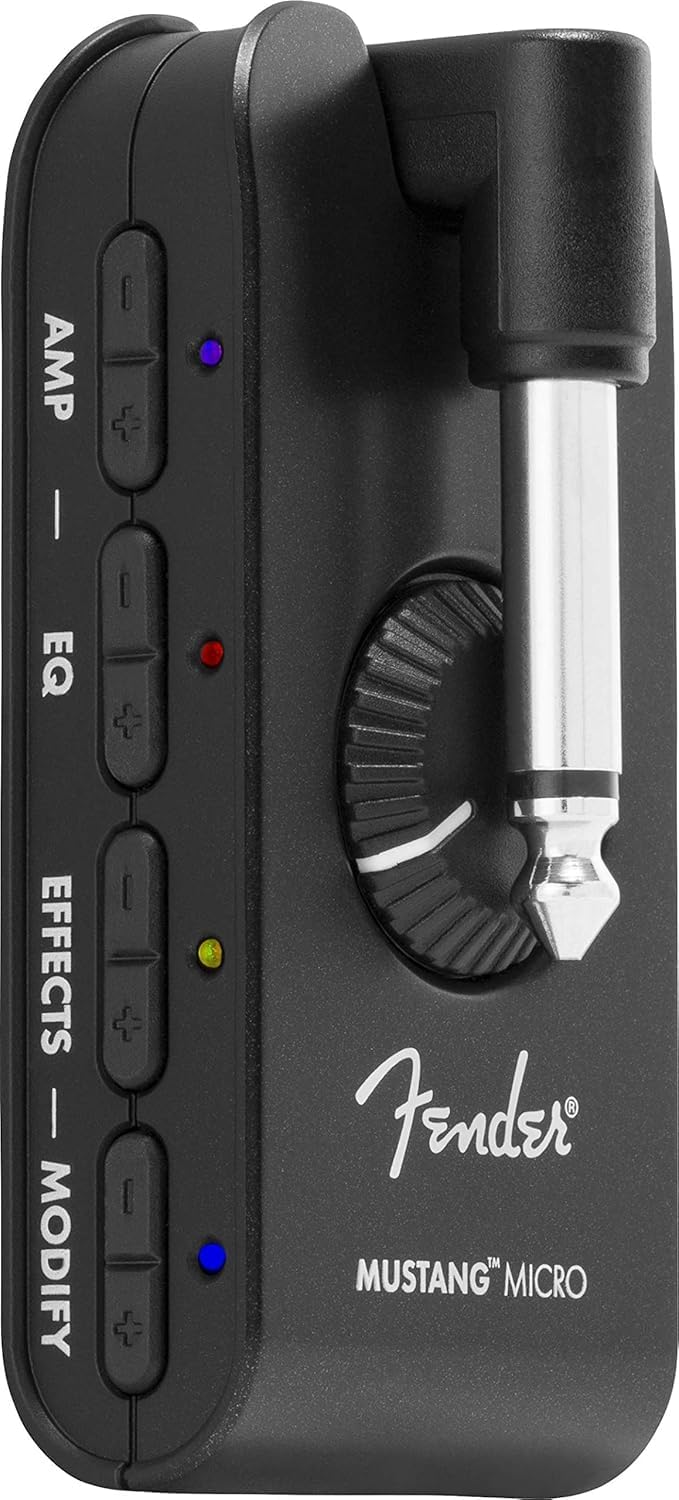
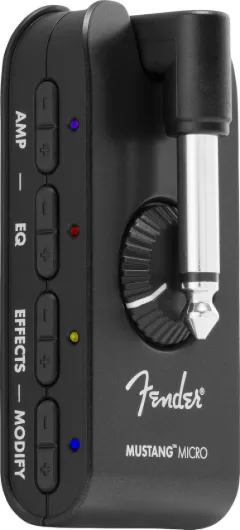
- Input Connections: These preamps are built with guitarists in mind, offering input connections that match your instrument’s output. Some models, like the Mustang Micro or Vox Amplug, even support Bluetooth for backing tracks or wireless practice.
- Portability: Many top options feature rechargeable batteries, making them great for travel or late-night sessions. Compact models like the Spark Neo or Waza Air are easy to carry and set up anywhere.
- Compatibility: Not all headphones are created equal. Pairing the best headphone with your preamp can make a big difference in sound quality. For those interested in high-end options, you might want to explore the best amplifier for Beyerdynamic MMX 300 to ensure you’re getting the most out of your gear.
Choosing the right preamp is about more than just volume. It’s about capturing the feel and response of your favorite amps and effects, all while keeping your practice sessions silent. In the next sections, we’ll look at the features that separate a great headphone amp from the rest, and how to avoid common pitfalls when pairing with noise canceling headphones.
Key features to look for in a guitar headphone preamp
Essential Elements for a Great Guitar Headphone Preamp
When searching for the best headphone amp for silent guitar practice, it’s important to focus on features that directly impact your sound and experience. Not all preamps are created equal, and knowing what to look for can help you avoid disappointment and get the most out of your gear.- Input Connections: Make sure the preamp offers versatile input options. A standard 1/4-inch jack is a must for most guitars, but some models also provide aux-in or Bluetooth for backing tracks. This flexibility is especially useful if you want to jam along with your favorite songs or practice silently with high-quality sound.
- Effects and Amp Modeling: Many modern headphone amps, like the Positive Grid Spark Neo or Boss Waza Air, include built-in effects and classic amp models. These features let you experiment with different tones and styles without needing extra pedals or a full amplifier setup. Look for models that offer a range of effects, from reverb to high gain distortion, to suit your playing style.
- Sound Quality and Gain Control: A great headphone amplifier should deliver clear, dynamic sound. Adjustable gain is crucial for matching your guitar’s output and avoiding unwanted distortion. Reading expert reviews and checking specifications can help you find a model that maintains quality at both low and high volumes.
- Battery Life and Portability: For musicians on the go, a rechargeable battery is a big plus. Compact models like the Vox Amplug or Fender Mustang Micro are easy to carry and offer hours of playtime. Consider how often you’ll use your preamp away from home and whether free shipping is available when purchasing online.
- Compatibility with Headphones: Not all headphone amps work equally well with every headphone. Some are optimized for high-impedance studio headphones, while others are better suited for consumer models. If you’re using noise canceling headphones, check for compatibility to ensure the best sound experience. For a detailed review of a popular studio headphone, read this expert review of the DT 770 Pro X.
Other Features Worth Considering
- Bluetooth connectivity for wireless practice
- Onboard tuner and metronome for convenience
- Star ratings and user reviews to gauge reliability
- Support for amps effects and pedals if you want to expand your setup
How noise canceling headphones enhance your practice
Why noise canceling headphones matter for guitar practice
Practicing guitar with a headphone amp or a dedicated headphone amplifier can be a game changer, especially when you want to avoid disturbing others. But not all headphones are created equal. Noise canceling headphones stand out because they block out external distractions, letting you focus on your sound, effects, and technique. This is especially useful if you live in a noisy environment or share your space.
- Immersive sound experience: By reducing ambient noise, you hear more of your amp’s details, effects, and the nuances of your guitar playing. Whether you’re using a classic amp sim like the Fender Mustang Micro or a modern option like the Positive Grid Spark Neo, noise canceling headphones help you catch every subtlety.
- Better practice sessions: With less background noise, you can dial in your gain, experiment with pedals, and tweak your amp settings without distractions. This leads to more productive and enjoyable sessions.
- Versatility with different amps: Many top headphone amps and preamps, such as the Boss Waza Air or Vox Amplug, are compatible with noise canceling headphones. This means you can enjoy great sound quality whether you’re practicing with high gain tones or clean classic amp models.
Some modern models even support Bluetooth connectivity, making it easier to pair your headphones with amps or devices that support wireless audio. This can be a huge plus if you want to avoid cables during practice.
When reading expert reviews or checking specifications, look for headphone amps that offer strong output and clean signal paths. Rechargeable battery options, multiple input connections, and compatibility with your favorite effects or pedals are also worth considering. Some of the best headphone amps for guitar practice even offer free shipping, making them more accessible.
Image credit: Product manufacturer websites and official product review sources.

Common challenges when pairing noise canceling headphones with preamps
Pairing Noise Canceling Headphones with Guitar Preamps: What Can Go Wrong?
When combining noise canceling headphones with a guitar headphone preamp, some challenges can affect your silent practice experience. Understanding these issues helps you avoid frustration and get the best sound from your setup.- Latency and Bluetooth Limitations: Many modern headphones use Bluetooth, which can introduce latency. This delay between playing your guitar and hearing the sound can be distracting, especially when practicing with high gain or effects. For the best real-time response, wired headphones or headphone amps are often preferred over Bluetooth models.
- Input Connections and Compatibility: Not all noise canceling headphones are designed for direct connection to a guitar headphone amp or preamp. Some require adapters or have incompatible input connections, which can degrade sound quality or even prevent the headphones from working with your amp. Always check the specifications and review input options before buying.
- Sound Signature and Frequency Response: Noise canceling headphones often emphasize certain frequencies to enhance music playback, which might not translate well for guitar practice. This can make your amp or effects sound less natural, especially with classic tones or when using pedals. Reading expert reviews and checking the frequency response helps you avoid this issue.
- Power and Battery Concerns: Many noise canceling headphones rely on a rechargeable battery. If the battery runs out during a session, you lose both noise canceling and possibly sound altogether. For long practice sessions, consider headphones with great battery life or the ability to work passively.
- Volume and Gain Matching: Some headphone amplifiers and preamps output higher levels than consumer headphones expect. This can cause distortion or even damage your headphones. Always start with low gain and volume, and read the review specifications for both your amp and headphones to ensure compatibility.
Tips for getting the best sound quality
Fine-tuning Your Setup for Superior Sound
Getting the best sound quality from your guitar headphone preamp and noise canceling headphones involves more than just plugging in and playing. Here are practical tips to help you achieve a great tone and an enjoyable silent practice experience.- Choose the Right Headphones: Not all headphones are created equal. For guitar practice, look for models with a flat frequency response and low latency. The best headphone amps, like the Boss Waza Air or Fender Mustang Micro, are designed to work seamlessly with a variety of headphones, including Bluetooth and wired options.
- Optimize Gain and Volume: Set your preamp’s gain and volume controls carefully. Too much gain can introduce unwanted noise, while too little may cause your sound to lack punch. Start low and gradually increase until you find the sweet spot for your guitar and amp model.
- Experiment with Effects and Amp Models: Many modern headphone amplifiers and preamps, such as the Vox Amplug or Positive Grid Spark Neo, offer built-in amps effects and classic amp simulations. Take time to explore these features to find tones that inspire you. Reading an expert review or checking the review specifications can help you understand which models offer the best effects for your style.
- Check Input Connections: Ensure your input connections are secure and compatible. Some preamps support both standard and mini-jack inputs, while others may offer Bluetooth connectivity for wireless practice. Avoid using adapters that can degrade signal quality.
- Monitor Battery Life: If your setup includes a rechargeable battery, like in the Mustang Micro or Waza Air, keep it charged to avoid interruptions. Some models offer free shipping on replacement batteries, which is worth considering for long-term use.
- Use Quality Cables: Even with a headphone amp, the quality of your cables can impact sound. Invest in well-shielded cables to minimize interference and maintain a clean signal from your guitar to your amplifier or preamp.
Common Pitfalls and How to Avoid Them
- Avoid Overprocessing: Too many effects or high gain settings can muddy your sound. Stick to essential pedals and classic amp tones for clarity.
- Match Impedance: Some headphone amps and preamps work best with headphones of a certain impedance. Check the specifications to ensure compatibility and optimal performance.
- Read Reviews: Before buying, read expert reviews and user feedback. Look for star ratings and reasons buy or reasons avoid specific models. This helps you choose the best headphone amplifier for your needs.
By following these tips, you can enjoy a top-tier silent practice experience, whether you’re using a classic amp sim, a modern Bluetooth preamp, or a high gain pedal setup. Image credit: Manufacturer websites and product listings.
Popular guitar headphone preamp models for silent practice
Top-Rated Guitar Headphone Amps and Preamps for Silent Practice
When searching for the best guitar headphone amp or preamp for silent practice, it’s important to consider sound quality, effects, portability, and compatibility with your headphones. Here’s a look at some of the most popular models, along with reasons to buy or avoid each one based on expert review and user feedback.| Model | Main Features | Reasons to Buy | Reasons to Avoid | Review Specifications |
|---|---|---|---|---|
| Boss Waza-Air | Wireless, built-in amp effects, rechargeable battery, Bluetooth audio, immersive sound |
|
|
Expert review: 4.5 star rating, high gain options, excellent sound |
| Fender Mustang Micro | Plug-and-play, USB-C rechargeable, amp and effects, headphone output, Bluetooth audio |
|
|
Expert review: 4 star rating, compact, great for travel |
| Vox amPlug 2 | Ultra-compact, battery powered, multiple amp models, effects, headphone output |
|
|
Expert review: 3.5 star rating, best for quick practice |
| Positive Grid Spark GO / Spark Neo | Smart amp, app integration, effects, rechargeable battery, Bluetooth, headphone amp output |
|
|
Expert review: 4 star rating, innovative features |
What to Consider Before Buying
- Sound: Look for headphone amps with high gain and clear amp modeling for the best practice experience.
- Effects: Built-in effects and amp simulations can add versatility to your practice sessions.
- Input Connections: Make sure the preamp or amp supports your guitar and headphone type.
- Portability: Rechargeable battery and compact size are great for practicing anywhere.
- Bluetooth: Some models let you play along with tracks wirelessly, which is a big plus.
When reading a review or expert review, pay attention to the specifications, star ratings, and user feedback. Some models, like the Boss Waza-Air and Fender Mustang Micro, are often highlighted as the best headphone amps for silent practice, but your choice should fit your needs and budget. Always check for free shipping and warranty options from reputable retailers.
Image credit: Product manufacturers and retailers