

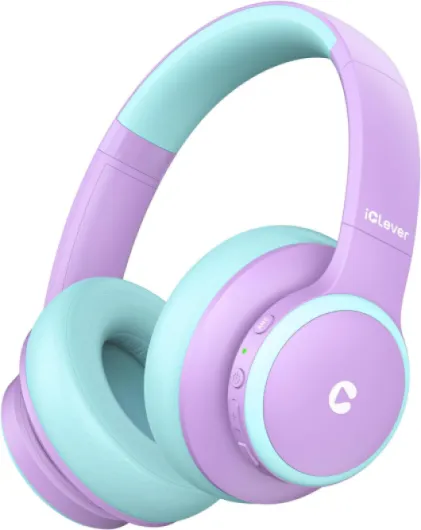
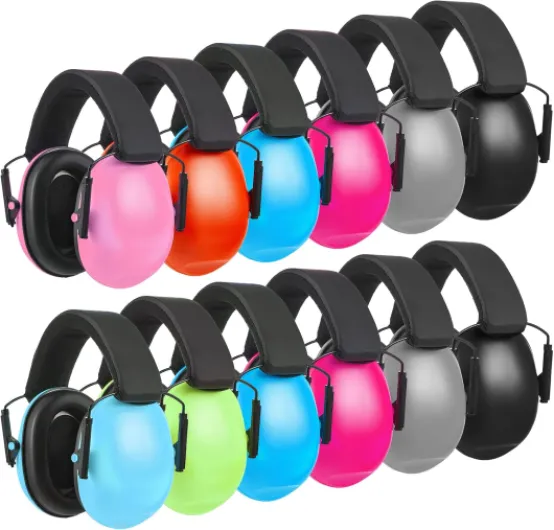
Understanding noise cancelling technology for children
How noise cancelling works for kids’ headphones
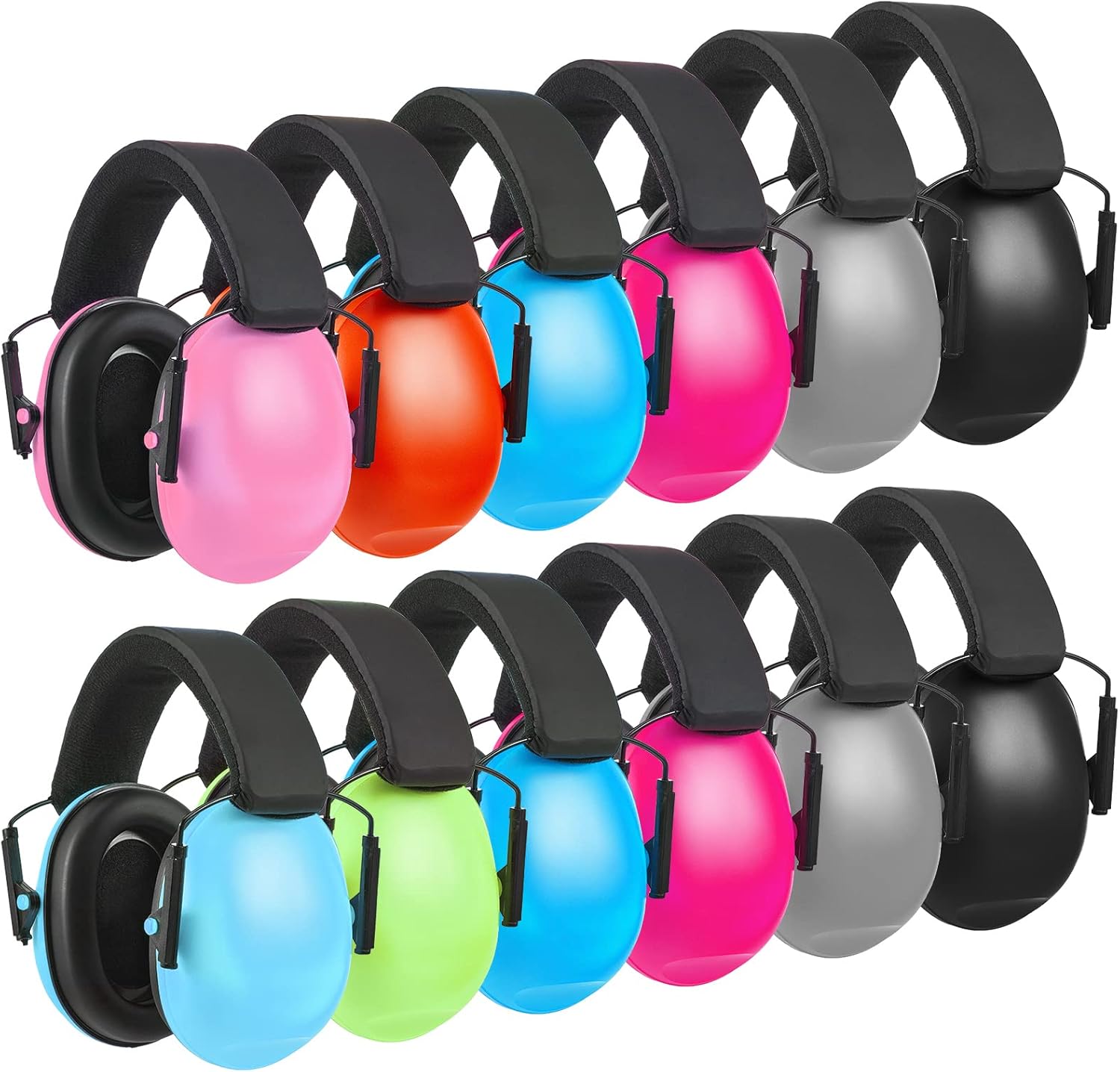
Noise cancelling headphones are designed to reduce unwanted sound, making listening experiences safer and more comfortable for kids. There are two main types: passive noise reduction, which uses physical materials like cushioned ear cups or earmuffs to block out noise, and active noise cancelling (ANC), which uses microphones and electronics to cancel out background sounds. For children, both types can offer ear protection, but active noise cancellation is often more effective in noisy environments like airplanes or classrooms.
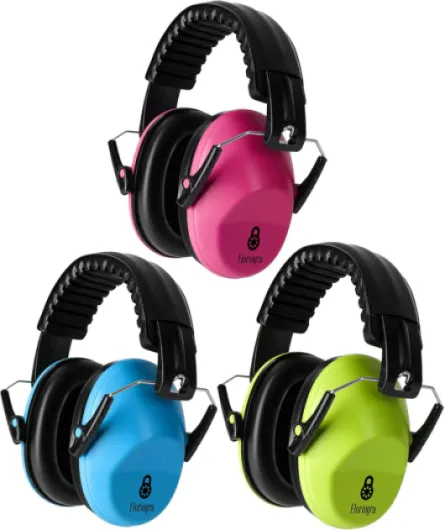
- Passive noise reduction: Relies on the design and materials of the headphones to block sound. Earmuffs and padded headphones are common examples.
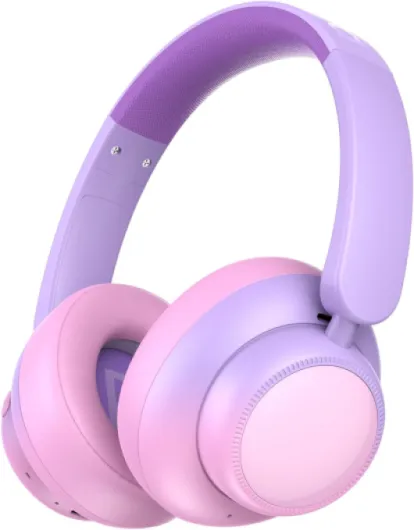
- Active noise cancelling: Uses built-in microphones to detect external noise and creates sound waves that cancel it out. This technology is found in many wireless and bluetooth headphones for kids.
When choosing a product for your child, it’s important to consider how these technologies work together to provide hearing protection. Some kids headphones combine both passive and active noise cancellation for better noise reduction. Features like safe volume limits and certified hearing protection standards help ensure the headphones are safer for young ears.
Bluetooth headphones and wireless models are popular for their convenience and comfort, especially for kids who move around a lot. Battery life and fast charging are also important, since longer play time means less frequent charging. Many models, such as the JLab JBuddies, are designed specifically for children and have received positive stars reviews on Amazon for their sound quality, comfort, and noise cancelling abilities.
Understanding the basics of noise cancelling technology helps parents make informed decisions about which headphones kids will benefit from most. For more on what makes a standout model, check out this in-depth look at a top-rated noise cancelling headphone.

Key features to look for in children s noise cancelling headphones
What Makes Headphones Safer and More Comfortable for Kids?
When selecting noise canceling headphones for children, it’s important to focus on features that ensure both safety and comfort. Kids’ ears are more sensitive than adults’, so the right product should offer effective ear protection without sacrificing listening quality or comfort. Here are some key aspects to consider:
- Safe Volume Limiting: Look for headphones with a built-in safe volume cap, typically set at 85 dB or lower. This feature helps protect young ears from potential hearing damage, especially during extended play time.
- Active Noise Cancellation: Not all noise canceling headphones are created equal. Active noise cancellation (ANC) technology can reduce ambient noise, making it easier for kids to focus on sound at lower, safer volumes. However, ensure the ANC is gentle and doesn’t create pressure or discomfort.
- Comfortable Earmuffs and Adjustable Fit: Soft, cushioned earmuffs and an adjustable headband are essential for a secure and comfortable fit. Lightweight designs help prevent fatigue during long use.
- Wireless and Bluetooth Options: Wireless or Bluetooth headphones reduce the risk of tangled cords, making them safer for active kids. Check for reliable Bluetooth connectivity and easy pairing with devices.
- Battery Life and Fast Charging: Long battery life is crucial for uninterrupted use, especially on trips. Fast charging capabilities are a bonus, ensuring headphones are ready when needed.
- Durability and Certified Safety: Choose products made from sturdy materials and certified for children’s use. Look for safety certifications and positive stars reviews on platforms like Amazon to gauge reliability.
- Noise Reduction Standard: Check the product’s noise reduction rating (NRR) or similar standard. This indicates how much noise the headphones can block, contributing to effective hearing protection.
- Price and Value: While price is a consideration, prioritize features that enhance safety and comfort. Sometimes, spending a bit more ensures better protection and longer-lasting headphones.
Some popular models, such as the JLab JBuddies and other kids headphones, offer a balance of noise cancellation, safe volume, and wireless convenience. For those interested in exploring standout options, the Meze 99 stands out among noise canceling headphones for its quality and comfort, though always check if a model is specifically designed for children.
By focusing on these features, you can find headphones that not only deliver excellent sound and noise reduction but also prioritize your child’s hearing protection and overall experience.
Safety considerations for young users
Making Headphone Use Safer for Kids
When choosing noise canceling headphones for children, safety should always come first. Young ears are more sensitive to loud sound and prolonged exposure, so it’s important to look for headphones that offer reliable ear protection and safe volume limits. Many kids headphones are designed with a maximum volume cap, usually around 85 decibels, to help protect hearing. Always check if the product is certified for safe volume standards, as this can make a big difference in long-term hearing protection.
- Volume Limiting: Opt for headphones with built-in volume limiting features. This helps prevent accidental exposure to high sound levels, especially when using wireless or bluetooth headphones that might connect to various devices.
- Comfort and Fit: The right fit is crucial. Earmuffs or cushioned ear cups should sit comfortably around the ear, providing both passive noise reduction and comfort for longer play time. Adjustable headbands and lightweight designs are also important for kids’ comfort.
- Material Safety: Look for products made from non-toxic, durable materials. Kids can be rough on their gear, so sturdy construction is a must. Some headphones are specifically tested for child safety standards.
- Active Noise Cancelling: While active noise cancellation can be beneficial, it’s essential to ensure the technology doesn’t isolate children too much from their environment. Kids should still be able to hear important sounds, like alarms or voices, for safety.
- Wireless and Bluetooth Safety: Bluetooth headphones are convenient, but make sure they have a reliable connection and battery life. Fast charging can be a plus, but always supervise charging to avoid overheating.
Parents should also consider the type of noise canceling technology used. Some products offer passive noise reduction through earmuffs, while others use active noise cancellation. Each has its own benefits and limitations, so it’s worth comparing features, price, and stars reviews on platforms like Amazon before making a decision.
For more guidance on choosing the right wireless headset for your child’s needs, check out this comprehensive guide to wireless headsets.
Benefits of noise cancelling headphones for children
Why noise cancelling headphones can help kids
Noise cancelling headphones offer more than just quiet. For children, these headphones can make a real difference in daily life, especially in noisy environments like classrooms, travel, or busy public places. Here are some of the main benefits:
- Better focus and learning – By reducing background noise, kids headphones help children concentrate on their studies or activities. This can be especially helpful for kids who are easily distracted or have sensory sensitivities.
- Hearing protection – Active noise cancelling technology can protect young ears from loud, potentially harmful sounds. This is important for long-term hearing health, as children’s ears are more sensitive than adults’.
- Safer listening volumes – Many wireless headphones for kids come with safe volume limits, usually capped at a standard 85 dB. This feature, often highlighted in product descriptions and stars reviews on Amazon, ensures that even if children turn up the sound, their hearing is protected.
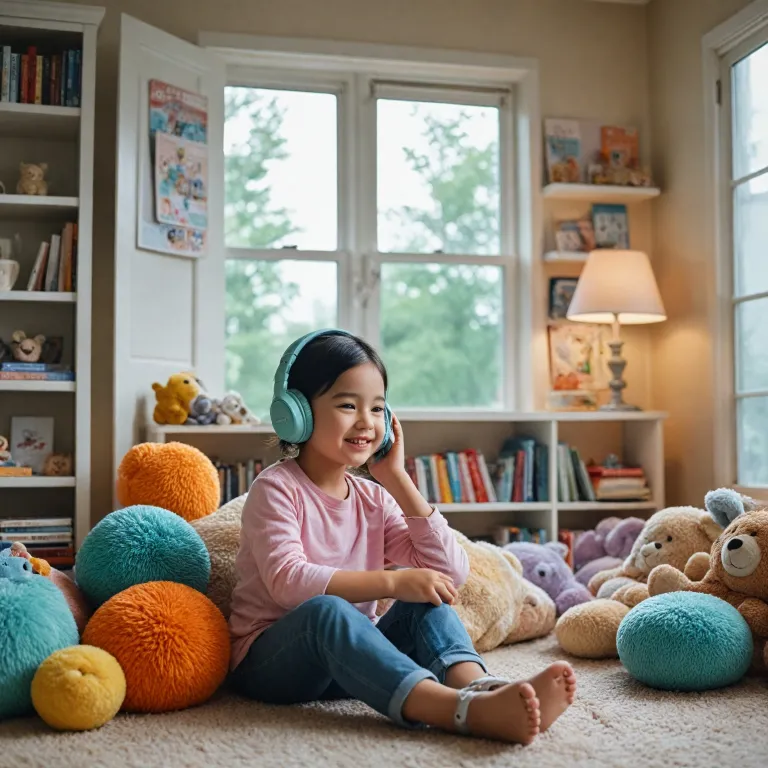
- Comfort and convenience – Modern kids headphones are designed with lightweight materials, soft earmuffs, and adjustable headbands for a comfortable fit. Bluetooth headphones and wireless options also give kids freedom to move without tangled cords.
- Reduced stress and anxiety – For some children, especially those sensitive to noise, cancelling headphones can create a calmer environment. This can help reduce stress in noisy settings, making outings or travel more enjoyable.
Features that add value for families
When parents look at product options, features like fast charging, long battery life, and easy controls are often highlighted in stars reviews. Some models, like the JLab JBuddies, are praised for their durable build and extended play time, which are important for active kids. Certified hearing protection and compliance with safety standards are also key factors to consider, ensuring the headphones are truly safer for young ears.
Noise reduction and noise cancellation features are not just about blocking sound, but about creating a better listening experience for children. Whether you’ve bought headphones for travel, school, or home use, choosing a certified product with the right balance of sound quality, ear protection, and comfort can make a positive impact on your child’s daily life.
Potential drawbacks and limitations
What to Watch Out For When Buying Noise Canceling Headphones for Kids
While noise canceling headphones offer many benefits for children, there are some important drawbacks and limitations to consider before making a purchase. Understanding these can help you make a safer and more informed decision for your child’s hearing protection.
- Volume Control Isn’t Always Foolproof
Even if a product advertises a safe volume limit, not all headphones kids models enforce this standard consistently. Some wireless or Bluetooth headphones may allow volume spikes, especially when paired with certain devices. Always check for certified safe volume features and read stars reviews on platforms like Amazon to see if other parents have noticed issues. - Fit and Comfort Can Vary
Kids have smaller ears, and not every earmuffs or headphones design will fit comfortably. Poor fit can reduce the effectiveness of noise reduction and may even cause discomfort during longer play time. Look for adjustable headbands and cushioned ear pads to ensure a snug, comfortable fit. - Active Noise Canceling Isn’t Perfect
Active noise canceling (ANC) technology works best with steady, low-frequency sounds. Sudden, sharp noises may still get through, so don’t rely solely on ANC for complete ear protection. For environments with unpredictable noise, combining ANC with passive noise reduction (like well-padded earmuffs) can be safer. - Battery Life and Fast Charging Limitations
Wireless and Bluetooth headphones depend on battery life. If the battery runs out, the noise canceling feature may stop working, leaving your child exposed to loud sounds. Some models offer fast charging, but always check the product specs and stars reviews to see if battery performance meets your needs. - Price vs. Features
Higher price doesn’t always mean better protection or sound quality. Some affordable models, like the JLab JBuddies, offer solid noise cancellation and safe volume limits, while more expensive options may focus on extra features that aren’t essential for kids. Compare products carefully, considering both price and the features that matter most for your child’s safety. - Potential for Overuse
Wearing noise canceling headphones for long periods can sometimes make kids less aware of their surroundings. Encourage breaks and supervise use, especially in public or unfamiliar places, to keep them safer.
By weighing these limitations alongside the benefits and safety considerations, you can find the right balance between hearing protection and practical use for your child. Always look for certified products with positive stars reviews and prioritize features that support both comfort and safety.
Tips for helping your child get used to noise cancelling headphones
Making the Transition Comfortable for Kids
- Start with Short Sessions
When introducing noise canceling headphones to kids, begin with brief listening periods. This helps their ears and mind adjust to the sensation of noise reduction without overwhelming them. Gradually increase play time as they become more comfortable. - Explain the Technology
Kids are naturally curious. Take a moment to explain how active noise cancellation works and why it’s safer for their hearing. Emphasize the protection these headphones offer, especially compared to regular headphones or earmuffs. - Monitor Volume and Fit
Always check that the headphones are set to a safe volume. Many kids headphones come with a safe volume limiter, which is a key feature for hearing protection. Make sure the product fits snugly but comfortably over the ear, and that the wireless or bluetooth connection is stable. - Encourage Breaks
Even with the best noise cancelling headphones, regular breaks are important. Encourage your child to remove their headphones every hour to give their ears a rest and to avoid any discomfort. - Let Kids Choose
Allowing children to pick their favorite color or style can make them more excited about using their new headphones. Some products, like the JLab JBuddies, offer fun designs and are highly rated in stars reviews on Amazon. - Demonstrate Proper Use
Show your child how to use the bluetooth or wireless features, adjust the volume, and charge the headphones. Fast charging and long battery life are especially helpful for busy families. - Check for Certifications
Look for headphones that are certified for hearing protection and meet safety standards. This ensures the product is designed for kids and offers reliable noise reduction and ear protection.
| Feature | Why It Matters |
|---|---|
| Safe Volume Limiter | Protects kids’ hearing by capping sound levels |
| Comfortable Fit | Prevents ear fatigue during longer use |
| Wireless/Bluetooth | Reduces tangles and increases mobility |
| Certified Protection | Ensures the headphones meet safety standards |
Adapting to noise canceling headphones can take time, but with patience and the right approach, kids can enjoy safer, more comfortable listening. Always review stars reviews and price on Amazon or other trusted sources before you buy, and look for products that offer both noise cancellation and hearing protection for peace of mind.