


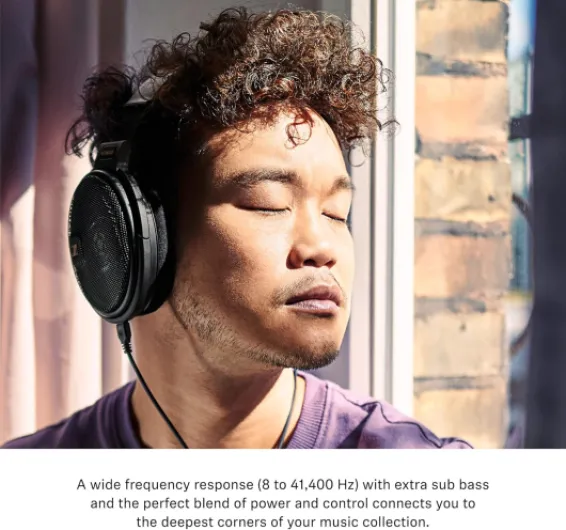
Understanding noise canceling technology in headphones
How Noise Canceling Works in Headphones
When searching for the best audiophile headphones, understanding noise canceling technology is essential. While the Sennheiser HD 660 S and HD 660 S2 are open headphones and do not use active noise canceling, it’s still important to know how noise canceling works and why some listeners prefer open-back designs for high quality audio experiences.
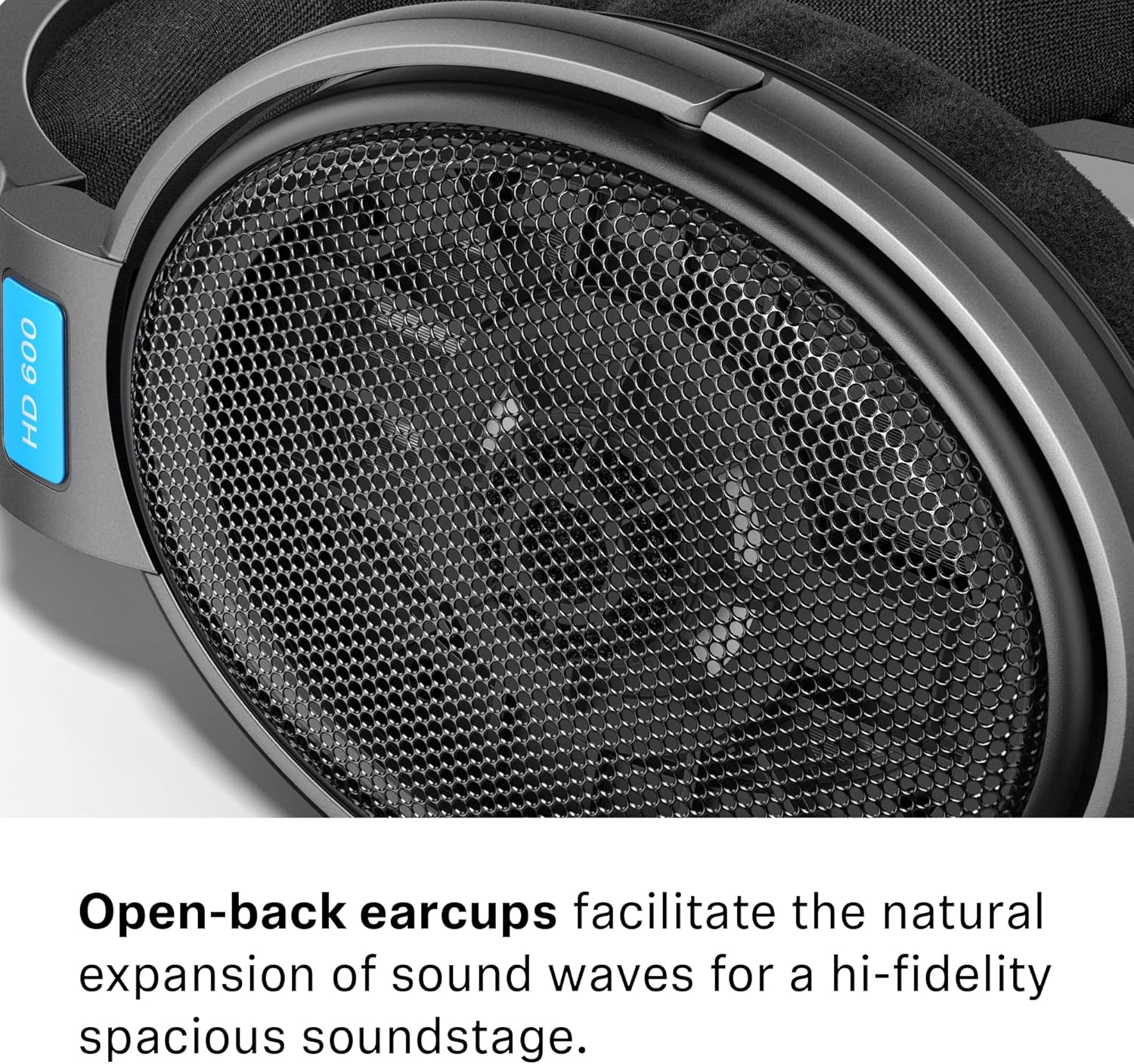
Noise canceling headphones use microphones and electronic circuitry to detect and reduce unwanted ambient sounds. This is called active noise canceling (ANC). The headphones generate sound waves that are the exact opposite (anti-phase) of the incoming noise, effectively canceling it out. This technology is popular in closed-back models, but open headphones like the HD 660 S and HD 660 S2 focus on a natural, spacious soundstage instead of isolation.
- Open headphones provide a more natural, airy sound but let in outside noise, making them ideal for quiet environments.
- Closed-back headphones and ANC models block more external noise, but can sometimes compromise on soundstage and detail retrieval.
For those who want to dive deeper into noise canceling technology and how it compares to open-back headphones, you can explore the Sennheiser Momentum 3 and its noise canceling features. This will help you understand why some audiophiles choose open headphones like the HD 660 S series for their reference listening sessions, focusing on frequency response, midrange clarity, and upper midrange detail rather than isolation.
As you read further, you’ll see how the Sennheiser HD 660 S and HD 660 S2 compare in terms of sound quality, build quality, and value for money, helping you decide which headphone is better suited for your listening preferences and environment.
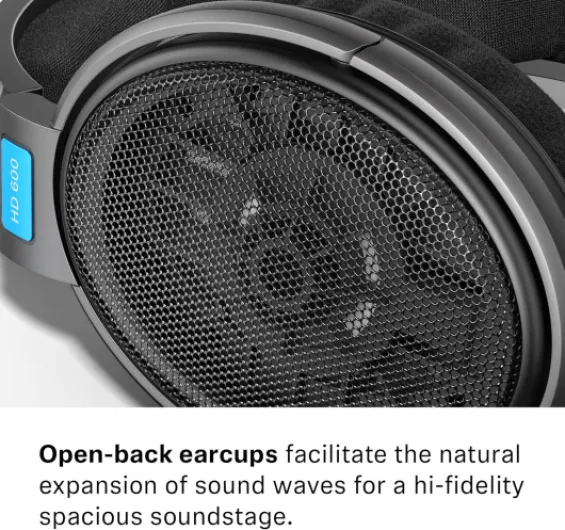
- + Natural Soundstage for an immersive listening experience
- + Premium Comfort for extended wear
- + Open-Back Design enhances audio quality
- + Dynamic Sound suitable for all music genres

Overview of the sennheiser hd 660 s and hd 660 s2
Key Features and Design Philosophy
When comparing the Sennheiser HD 660 S and HD 660 S2, it’s clear both headphones are designed for audiophile listeners who value reference sound and high quality audio. These open headphones are part of Sennheiser’s respected lineup, known for their balanced frequency response and natural presentation. Both models use dynamic drivers and are not planar magnetic, which influences their sound signature and detail retrieval.
- Impedance and Amplification: The HD 660 S has an impedance of 150 ohms, making it easier to drive with a wider range of amplifiers, including some portable devices. The HD 660 S2, however, has a higher impedance at 300 ohms, which typically benefits from solid state or dedicated headphone amplifiers for best performance.
- Build Quality and Comfort: Both headphones feature a robust build quality with comfortable ear pads and a lightweight design. The headband and ear cups are designed for long listening sessions, though some users may notice subtle differences in clamping force and fit over time.
- Headphone Cable: Sennheiser includes detachable cables with both models, allowing for easy replacement or upgrades. The cable connectors differ slightly, so it’s important to check compatibility if you plan to swap cables.
- Signature Sound: The HD 660 S is known for its classic Sennheiser house sound, with a smooth midrange and controlled treble. The HD 660 S2 refines this further, offering improved low bass extension and a more open soundstage, which some reviewers say brings it closer to the best audiophile headphones in this price range.
How They Fit Into the Sennheiser Lineup
Both the HD 660 S and HD 660 S2 are positioned as reference headphones for critical listening. They sit above entry-level models and below flagship options, making them a solid choice for those seeking high quality sound without entering the ultra-premium segment. While the HD 660 S has been a favorite for years, the HD 660 S2 introduces subtle improvements in frequency response, especially in the upper midrange and bass, catering to listeners who want a bit more detail and depth in their audio.
For those interested in wireless options or active noise canceling, Sennheiser also offers models like the Momentum 4 Wireless. You can read a review of the Momentum 4 Wireless headphones for a different approach to high quality headphones audio.
What Sets Each Model Apart
Ultimately, the choice between the HD 660 S and HD 660 S2 comes down to your preferences in sound quality and the equipment you plan to use. The HD 660 S is more forgiving with amplifiers, while the HD 660 S2 rewards those who invest in better gear. Both deliver excellent midrange clarity, but the S2’s improved bass and treble response may appeal to those seeking a more modern, detailed sound. As you continue reading, you’ll find a deeper dive into their sound quality and value for money, helping you decide which Sennheiser headphones are right for your needs.
Sound quality comparison: hd 660 s vs hd 660 s2
How the HD 660 S and HD 660 S2 Deliver Their Signature Sound
When comparing the Sennheiser HD 660 S and HD 660 S2, sound quality is at the heart of the decision. Both headphones are open-back designs, which means they offer a wide, natural soundstage and a sense of space that closed headphones rarely match. This makes them favorites among audiophile headphones enthusiasts and those seeking a reference listening experience.- Bass and Mid Bass: The HD 660 S is known for its controlled, tight bass response. It doesn’t exaggerate the low end, which is ideal for listeners who prefer accuracy over punch. The HD 660 S2, however, brings a subtle improvement in bass extension and presence, giving a bit more weight to the low frequencies without losing clarity. This makes the S2 slightly better for genres where bass detail matters.
- Midrange and Upper Midrange: Both models excel in the midrange, a hallmark of Sennheiser headphones. Vocals and instruments sound natural and present. The HD 660 S2 refines this further, offering a touch more openness and detail retrieval in the upper midrange, which can make vocals and acoustic instruments sound more lifelike.
- Treble and Detail: Treble on the HD 660 S is smooth and non-fatiguing, but some users find it a bit rolled off. The HD 660 S2 addresses this with a slightly more extended treble response, improving the sense of air and detail without becoming harsh. This helps with genres that benefit from high-frequency sparkle.
Technical Differences That Influence Audio Performance
The HD 660 S and HD 660 S2 share a similar design philosophy but differ in some technical aspects that impact sound quality:| Model | Impedance (Ohms) | Voice Coil | Frequency Response |
|---|---|---|---|
| HD 660 S | 150 | Aluminum | 10–41,000 Hz |
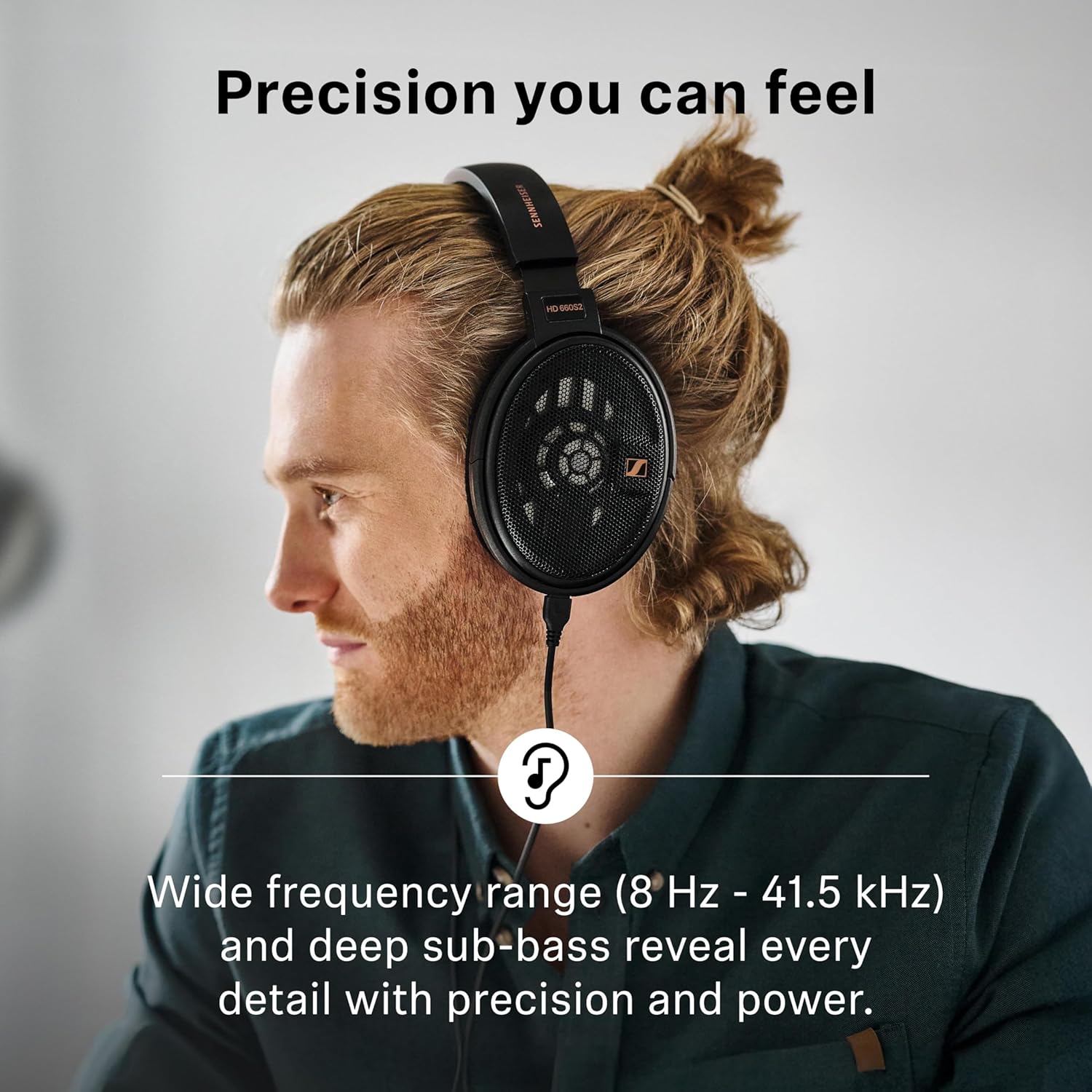
| HD 660 S2 | 300 | Refined Aluminum | 8–41,500 Hz |
Which Headphone Is Better for Critical Listening?
If you’re looking for a headphone that delivers a neutral, reference sound with excellent midrange, both models are strong contenders. The HD 660 S2 edges ahead for those who want a touch more bass depth and treble extension, making it more versatile across music genres. However, the HD 660 S remains a solid choice for those who value a classic Sennheiser house sound and easier pairing with a wider range of amplifiers. For readers interested in exploring more about open headphones and how they compare to other high quality options, you can read this in-depth review of Sonos headphones for additional perspective on headphones audio and build quality.Comfort and build: what to expect from each model
Fit, Materials, and Everyday Use
When you’re investing in audiophile headphones like the Sennheiser HD 660 S and HD 660 S2, comfort and build quality are just as important as sound. Both models are open headphones, designed for long listening sessions, but there are subtle differences that could influence your choice.
- Headband and Clamping Force: The HD 660 S has a well-padded headband and moderate clamping force. Some users find it a bit snug at first, but it tends to loosen up over time. The HD 660 S2 offers a slightly softer clamp, which can be more comfortable for extended use, especially if you wear glasses.
- Ear Pads and Materials: Both headphones use velour ear pads, known for breathability and comfort. The HD 660 S2’s pads feel a touch plusher, which helps with comfort during long listening sessions. The materials used in both models are high quality, with sturdy plastics and metal reinforcements where it matters.
- Weight: There’s little difference in weight between the two, so neither feels heavy on the head. This is important for those who plan to use their headphones for hours at a time.
- Build Quality: Sennheiser headphones have a reputation for durability, and both the HD 660 S and HD 660 S2 live up to that. The detachable headphone cable is robust, and replacement parts are widely available. The overall construction feels premium, suitable for both home and studio environments.
Practical Considerations for Daily Listening
Both models have an impedance of 150 ohms, which means they pair well with solid state amplifiers and high quality sources. The open-back design means sound leakage is present, so these are best used in quiet environments. If you’re looking for headphones audio that balances comfort, build, and sound quality, both models deliver, but the HD 660 S2’s slight improvements in pad softness and clamp may make it the better choice for all-day listening.
For those who value detail retrieval, midrange clarity, and a natural frequency response, the build quality of these Sennheiser headphones ensures you get the best out of your music, whether it’s the low bass, upper midrange, or treble sparkle. The included headphone cable is tangle-resistant and easy to swap, which is a plus for audiophiles who like to experiment with different setups.
Value for money: which model offers more?
Assessing Long-Term Value and Investment
When deciding between the Sennheiser HD 660 S and HD 660 S2, value for money is a key consideration for anyone seeking high quality audiophile headphones. Both models are open headphones designed for reference listening, but their price points and features differ in ways that may impact your decision over time.- Regular Price and Market Position: The HD 660 S typically retails at a lower regular price compared to the newer HD 660 S2. This makes the HD 660 S a more accessible entry point for those new to Sennheiser headphones or open-back designs.
- Build Quality and Durability: Both headphones share Sennheiser’s reputation for robust build quality. The materials used feel premium, and the headphone cable is detachable and replaceable, which extends the lifespan of your investment. The voice coil and driver assembly are engineered for longevity, supporting years of regular use.
- Sound Quality vs. Price: The HD 660 S offers a balanced sound signature with a focus on midrange and upper midrange clarity, making it suitable for a wide range of audio content. The HD 660 S2, while more expensive, introduces improvements in bass extension and detail retrieval, especially in the low frequency and mid bass regions. For listeners who prioritize a richer bass response and a slightly more refined treble, the S2 justifies its higher cost.
- Compatibility and Amplification: Both models have similar impedance ohms, so they work well with solid state amplifiers and most high quality headphone amps. However, the HD 660 S2’s tuning may benefit more from dedicated amplifiers, especially if you want to maximize its frequency response and detail.
- Comparison with Alternatives: In reviews, the HD 660 S is often compared to planar magnetic headphones like the Hifiman Edition series. While planar models may offer different sound characteristics, Sennheiser’s house sound remains a reference for many audiophiles, especially in the midrange and treble.
Who should choose the hd 660 s or the hd 660 s2?
Finding the Best Fit for Your Listening Habits
When deciding between the Sennheiser HD 660 S and the HD 660 S2, your choice should reflect your listening priorities and the type of audio experience you value most. Both headphones are open headphones, designed for critical listening and audiophile headphones enthusiasts, but each model brings its own strengths to the table.
- For detail retrieval and reference listening: If your focus is on analytical listening, the HD 660 S stands out with its precise midrange and clear treble. Its frequency response is tuned for accuracy, making it a strong choice for those who want to hear every nuance in their music. The build quality is solid, and the impedance ohms rating allows for pairing with a wide range of amplifiers, including solid state options.
- For a warmer, more engaging sound: The HD 660 S2 offers a richer bass and a slightly elevated mid bass, which can make modern music genres more enjoyable. The upper midrange is smooth, and the overall house sound leans toward a more musical presentation. If you prefer a headphone that is forgiving and fun for long listening sessions, the S2 may be the better option.
- Comfort and long-term use: Both models share a similar design, but some users report the HD 660 S2 feels a bit lighter over time. The headphone cable is detachable on both, making upgrades or replacements easy. If you plan to wear your headphones for hours, comfort and build quality should be a key consideration.
- Value for money and regular price: The HD 660 S often comes at a lower regular price, making it a strong value for those seeking high quality audio without stretching their budget. The S2, while sometimes more expensive, justifies its price with improvements in bass and overall sound quality.
- Comparing to other open headphones: If you are also considering planar magnetic models like the Hifiman Edition, keep in mind that Sennheiser headphones are known for their dynamic drivers and unique voice coil design, which contribute to their signature sound.
Ultimately, the best headphone for you depends on your preferences for sound signature, comfort, and the type of music you enjoy. Both the HD 660 S and HD 660 S2 are excellent choices in the world of high quality headphones audio, and either can serve as a reliable reference for years to come.